Interest rates expected to rise for first time in over three years
Source Entity
BBC News
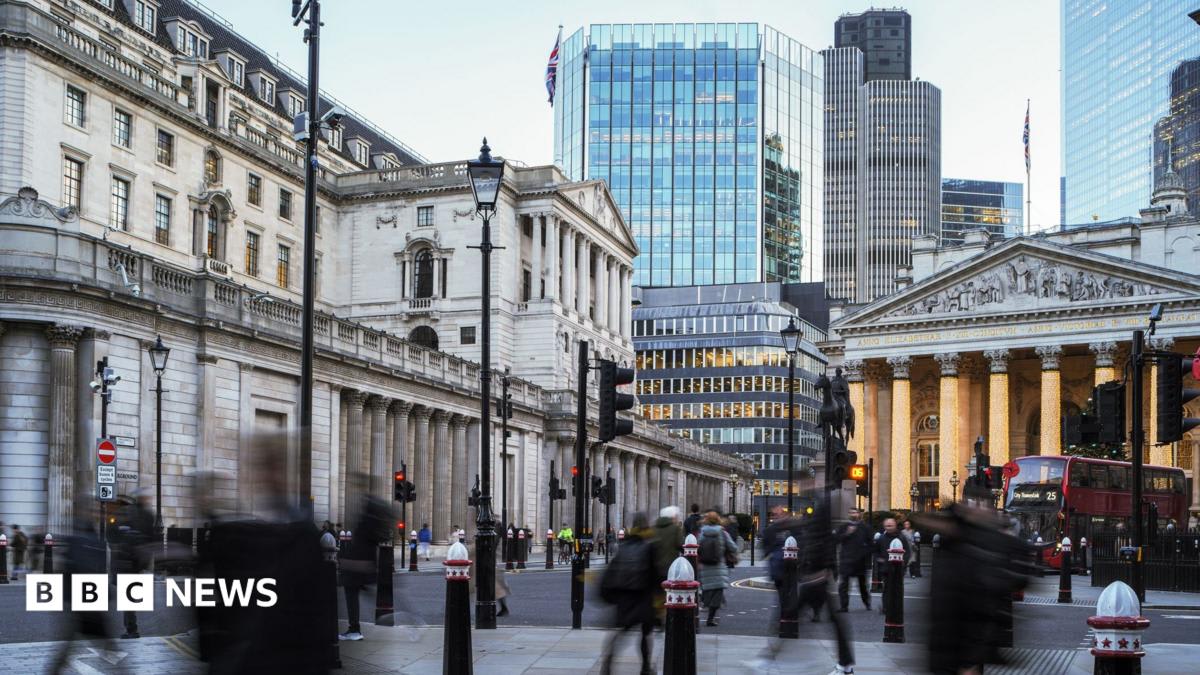
The Bank of England is expected to raise interest rates to 4% this Thursday to combat inflation driven by fuel costs. This marks the first rate hike in over three years following six consecutive meetings of unchanged policy.
The Impending Shift in UK Monetary Policy
For the first time in over three years, the Bank of England’s Monetary Policy Committee (MPC) is poised to adjust the benchmark interest rate, with most analysts forecasting a move from 3.75% to 4%. This anticipated decision comes after a period of relative stagnation, during which the MPC opted to leave rates unchanged for six consecutive meetings. This shift represents a pivotal moment in the UK’s economic trajectory, signaling a departure from the recent holding pattern that has defined the Bank’s approach throughout the latter half of the 2023-24 fiscal cycle.
Inflationary Pressures and Fuel Costs
The primary driver behind this anticipated hawkish pivot is persistent inflation. Analysts point directly to the rising costs of petrol and diesel as the catalyst forcing the hand of policymakers. As energy prices fluctuate and exert upward pressure on the consumer price index, the Bank of England is tasked with its fundamental mandate: maintaining price stability. By increasing the cost of borrowing, the MPC aims to cool demand within the economy, thereby mitigating the inflationary impact of high energy costs on the broader market.
Economic Implications for Borrowers and Savers
A rate hike to 4% carries significant implications for the financial landscape of the United Kingdom. For individuals and businesses, the immediate consequence will be an increase in the cost of borrowing. This can lead to tighter credit conditions, higher monthly repayments on variable-rate loans, and potentially more cautious capital expenditure from firms. Conversely, this move serves as a boon for savers, who have seen their returns stagnate during the period of unchanged rates. The transition toward a 4% benchmark seeks to strike a delicate balance between curbing excessive spending and rewarding capital preservation.
Historical Context and Recent Trends
To understand the significance of this move, one must look at the recent history of the Bank rate. After reaching a peak of 5.25% during the 2023-24 period, the rate has undergone a downward adjustment to its current level of 3.75%. The decision to finally break the cycle of stagnation reflects a reactive stance to evolving economic data. The fact that the rate has not moved for six meetings underscores the hesitation of the MPC to disrupt the post-peak economic environment, making this upcoming announcement at 12:00 GMT on Thursday particularly consequential.
Market Expectations and Forward Guidance
Beyond the immediate rate change, market participants and analysts are fixated on the MPC’s forward guidance. The announcement will be scrutinized for any hints regarding the future trajectory of monetary policy. Whether this move is a singular adjustment or the start of a new tightening cycle will be determined by the nuances in the Bank's post-meeting statement. As the UK economy navigates these inflationary headwinds, the clarity provided by the MPC will be essential for businesses and households to plan their financial strategies for the remainder of the year.