Nintendo says it’s not planning another Switch 2 price hike
Source Entity
Stevie Bonifield
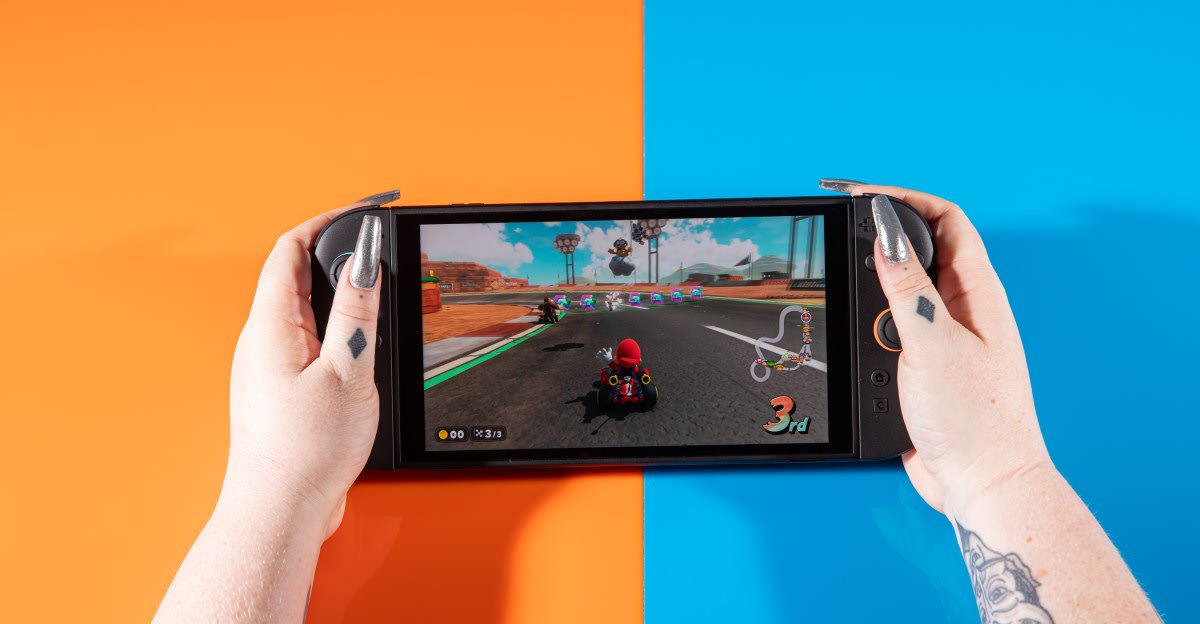
Nintendo reported a 41% decline in Switch 2 sales following recent price hikes and global memory cost pressures. Despite these headwinds, company president Shuntaro Furukawa confirmed no further price increases are planned.
Nintendo Faces Market Headwinds
Nintendo is currently navigating a challenging fiscal period as its flagship Switch 2 console experiences a sharp decline in market performance. According to recent earnings reports for the quarter ending September 30, the company sold 2.67 million units, marking a 41% drop compared to the same period last year and a significant decrease from the 3.82 million units sold in the prior quarter. This downturn highlights the volatility inherent in the consumer electronics sector, where hardware adoption is highly sensitive to pricing strategies and macroeconomic supply chain factors.
The Impact of Pricing Strategy
The primary catalyst for this sales slump appears to be the recent upward adjustment in retail pricing. To mitigate the impact of soaring component costs, Nintendo implemented price hikes across key markets, including the United States, Canada, and Japan. The most notable shift was a $50 increase earlier this year, which brought the starting price of the Switch 2 to $499. While such measures are often necessary to preserve profit margins, the immediate market reaction suggests that this price point may have crossed a threshold for many potential consumers, cooling demand significantly.
Supply Chain and Memory Constraints
Beyond direct pricing, the hardware industry continues to grapple with the complexities of the memory market. Nintendo has explicitly cited soaring memory costs as a foundational reason for its fiscal adjustments. The pressure on the semiconductor and memory supply chain has forced many tech giants to choose between absorbing losses or passing costs to the consumer. Nintendo's current situation underscores the difficulty of maintaining competitive pricing when the raw materials required for high-performance gaming hardware remain expensive and subject to market fluctuations.
Leadership Response and Future Outlook
In a strategic effort to stabilize investor confidence, Nintendo president Shuntaro Furukawa addressed these concerns during the latest earnings call. He clarified that the company is "not considering additional changes" to the current pricing structure, signaling a commitment to maintaining the current $499 MSRP despite the recent sales dip. This suggests that Nintendo believes the current price point is sustainable in the long term, provided that consumer sentiment recovers.
Managing the Memory Crunch
Addressing concerns regarding the supply chain, Furukawa provided an update on the ongoing RAM shortage. He noted that while the overall memory situation remains complex, Nintendo is currently in a position to secure sufficient quantities to support its production needs. This assurance is critical for the company’s ability to meet future demand without further supply-side disruptions, even as they navigate the current period of depressed sales volume.
Conclusion
Nintendo stands at a crossroads as it balances the need for profitability against the reality of a price-sensitive gaming market. The 41% drop in sales is a stark reminder of the challenges hardware manufacturers face in a post-inflationary environment. By holding steady on pricing and securing its supply chain, Nintendo is betting that the current decline is a temporary recalibration rather than a long-term erosion of the Switch 2's market position.