Disallowed Friday prayers, under house detention for 6th day: Mirwaiz
Source Entity
India Latest News: Top National Headlines Today & Breaking News | The Hindu
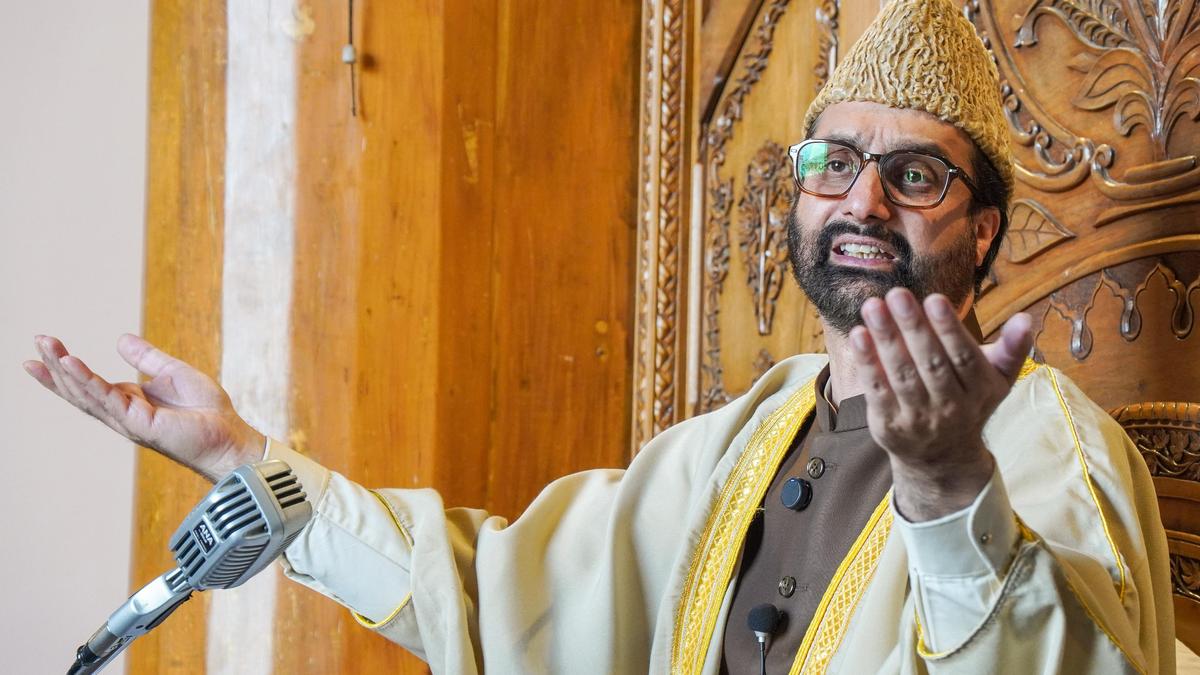
Kashmir's chief cleric, Mirwaiz Umar Farooq, remains under house detention, preventing him from leading Friday prayers at Srinagar's Jama Masjid. Authorities reportedly restricted his movement following his previous sermon regarding the International Crisis Group's report on Jammu and Kashmir.
The Continued Detention of Mirwaiz Umar Farooq
On November 6, 2026, the chief cleric of Kashmir, Mirwaiz Umar Farooq, reported that he remained under house detention for the sixth consecutive day, effectively barring him from leading congregational Friday prayers at the historic Jama Masjid in Srinagar. This restriction, enforced by police deployments and physical barricades at his residence in the Nigeen area, represents a significant escalation in the ongoing tension between local religious leadership and administrative authorities in the region.
Origins of the Current Restriction
The administrative decision to restrict the Mirwaiz's movement appears directly linked to the content of his previous Friday sermon. During that address, the cleric discussed the findings of an International Crisis Group report concerning Jammu and Kashmir. By highlighting issues such as the status of political prisoners and the broader erosion of civil liberties, the Mirwaiz challenged the official narrative regarding the current state of governance and stability in the territory.
The Intersection of Religion and Political Discourse
For decades, the pulpit of the Jama Masjid has served as a critical platform for political and social expression in Kashmir. When the Mirwaiz uses this platform to call for meaningful political engagement and reconciliation, it often creates friction with state authorities who prioritize security and stability. The labeling of the current detention as "arbitrary and authoritarian" by the Mirwaiz highlights the deep-seated disagreement over the boundaries of freedom of speech and movement within the region.
Broader Implications for Civil Liberties
The use of house detention to silence religious leaders creates a precarious environment for civil discourse. By preventing the Mirwaiz from addressing the faithful, authorities are effectively stifling a prominent voice that advocates for political dialogue. This development suggests that the space for dissenting perspectives or critical analysis of administrative policy remains severely restricted, which may complicate long-term efforts toward reconciliation.
Historical Context and Future Trends
Historically, the relationship between the Kashmiri religious establishment and the state has been marked by cycles of detention and release. The current reliance on physical barricades and police deployment reflects a broader strategy of preemptive containment. Moving forward, the persistence of these measures indicates that the administration is likely to continue prioritizing the suppression of public dissent over allowing open forums for political critique, potentially leading to further alienation of local stakeholders.
Conclusion
The situation involving Mirwaiz Umar Farooq underscores the fragile nature of civil liberties in Jammu and Kashmir. As long as the administrative response to critical discourse remains focused on detention and the restriction of movement, the prospects for the "meaningful political engagement" that the Mirwaiz advocates for appear limited. The coming weeks will be telling in terms of whether the authorities allow for a restoration of the cleric's ability to communicate with his congregation.
Verification Required?