Court allows more evidence in Sonia Gandhi voter list case
Source Entity
TNN
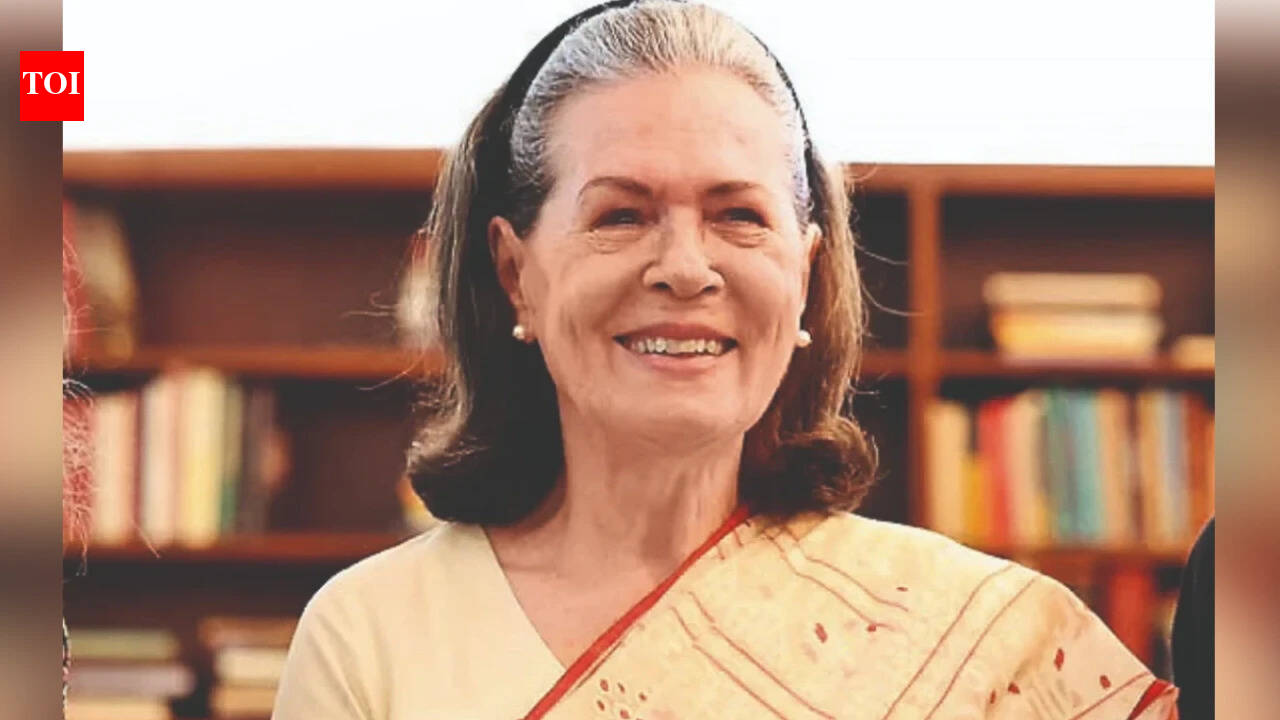
A Delhi court has permitted the submission of additional evidence in a legal case challenging the 1980 voter registration of Congress leader Sonia Gandhi. The complaint alleges her name was on the electoral rolls prior to her acquisition of Indian citizenship in 1983.
Legal Scrutiny Over Electoral Records
A Delhi court has reached a procedural milestone in a long-standing legal challenge concerning the voter registration history of Congress leader Sonia Gandhi. The Additional Chief Judicial Magistrate (ACJM) court has officially granted the complainant, advocate Vikas Tripathi, permission to submit additional documentation to support allegations regarding the status of Gandhi’s inclusion on the New Delhi parliamentary constituency electoral rolls in 1980. This development signals a continuation of efforts to scrutinize the timeline of Gandhi’s entry into the Indian electoral system.
The Core Allegation: Citizenship and Voter Status
The central premise of the complaint hinges on the chronological discrepancy between Gandhi’s voter registration and her official naturalization. According to the allegations presented before the court, Sonia Gandhi’s name appeared on the voter lists in 1980, while official records indicate that she did not acquire Indian citizenship until April 30, 1983. The complainant argues that this inclusion was legally impermissible under the prevailing electoral laws at the time, which restrict the right to vote to Indian citizens.
Procedural Developments and Next Steps
During the recent proceedings, the court acknowledged the complainant's request for additional time to formalize and present further evidence to substantiate the claim. By allowing the submission of these documents, the court has effectively extended the scope of the inquiry, ensuring that the evidentiary record is complete before moving toward substantive arguments. The matter has now been scheduled for a subsequent hearing on November 18, which will likely focus on the admissibility and impact of the newly introduced materials.
Political and Legal Implications
The case highlights the intersection of personal political history and constitutional compliance in India. Challenges regarding the eligibility of public figures for electoral participation often carry significant political weight, as they touch upon the fundamental requirements of citizenship and representation. The legal discourse surrounding this case serves as a reminder of the rigorous scrutiny to which high-profile political figures are subjected regarding their constitutional status and adherence to the Representation of the People Act.
Broader Context of Electoral Integrity
While the specific case remains focused on historical records from the early 1980s, it underscores the importance of maintaining accurate and transparent electoral rolls. The integrity of the voter list is a cornerstone of democratic stability, and judicial interventions of this nature reflect the legal system's role in verifying the historical validity of voter rolls. As the court processes the additional evidence, the focus remains on whether the petitioner can definitively prove that the registration was an error or a breach of law at the time of its occurrence.
Future Trends in Political Litigation
Looking ahead, this case serves as an example of how historical record-keeping continues to be a battleground for political accountability. The outcome of the November 18 hearing will be closely watched, as it may determine whether the complaint proceeds toward a full trial or faces dismissal based on the strength of the evidence provided. Regardless of the final verdict, the case ensures that questions regarding the foundational eligibility of political leaders remain a part of the public and legal discourse in India.