Supreme Court issues contempt notice to office-bearers of KPCC for online post targeting CJI
Source Entity
The Indian Express
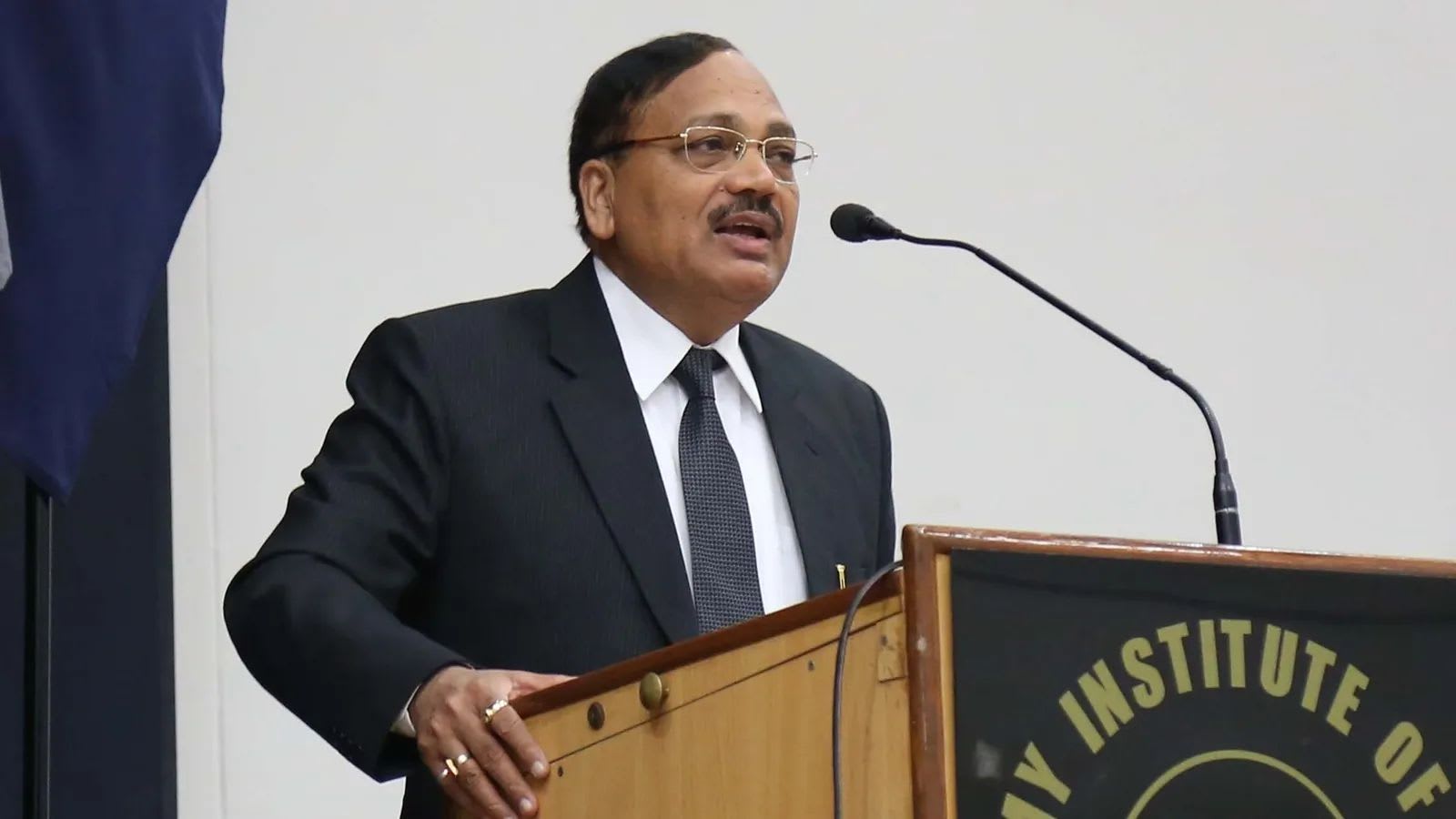
The Supreme Court has issued a contempt notice to Kerala Pradesh Congress Committee office-bearers regarding a defamatory social media post targeting the Chief Justice of India. The court emphasized that judicial independence cannot be compromised by political rhetoric under the guise of free speech.
Judicial Independence Under Scrutiny: The KPCC Contempt Case
The Supreme Court of India recently took a decisive step in upholding the sanctity of the judiciary by issuing a contempt show-cause notice to the office-bearers of the Kerala Pradesh Congress Committee (KPCC). This action was prompted by a controversial social media post from October 12 that targeted Chief Justice of India Surya Kant. The bench, comprised of Justices Aravind Kumar and Vipul M. Pancholi, underscored that while judicial criticism is a fundamental aspect of a healthy democracy, it cannot devolve into intimidation or interference with the administration of justice.
The Boundary Between Criticism and Contempt
At the heart of this legal development is the delicate balance between the right to free speech and the necessity of maintaining institutional integrity. The court explicitly noted that the independence of the judiciary is not a matter of political convenience. By distinguishing between legitimate critique of court judgments and targeted attacks on judicial personnel, the Supreme Court is reinforcing the principle that constitutional offices must be protected from malicious campaigns that threaten to undermine public trust in the rule of law.
Origins of the Legal Challenge
This suo motu contempt proceeding was initiated following a petition submitted by Advocate Vineet Jindal. The petition highlighted the viral nature of the social media post, which allegedly attributed derogatory remarks to the Chief Justice of India. By taking cognizance of this matter, the Supreme Court has signaled a zero-tolerance policy toward online rhetoric that seeks to disparage the judiciary through misinformation or personal attacks, particularly when such content is disseminated by political entities.
Implications for Political Discourse
This incident serves as a significant warning to political organizations regarding their digital conduct. In an era where social media platforms are frequently used to shape public opinion, political parties often bear the responsibility for the content published by their official handles or office-bearers. The court’s intervention suggests that political affiliation will not act as a shield against legal accountability when such speech crosses the threshold into contempt of court.
Historical Precedents and Future Trends
Historically, the judiciary has been cautious in exercising its contempt powers, reserving them for cases where the dignity of the court is fundamentally compromised. However, the rise of digital platforms has necessitated a more proactive approach to curbing attempts to influence judicial proceedings through public pressure. Future legal trends will likely see a more stringent application of contempt laws regarding digital content, as the judiciary continues to defend its independence against the rising tide of polarized online commentary.
Concluding Perspectives
Ultimately, the Supreme Court's decision to issue this notice reflects an ongoing effort to preserve the separation of powers. By holding the KPCC office-bearers accountable, the court is reinforcing the message that judicial institutions remain immune to political intimidation. As the case proceeds, it will likely serve as a landmark reference point for the limits of political expression in the digital age and the non-negotiable nature of judicial dignity.