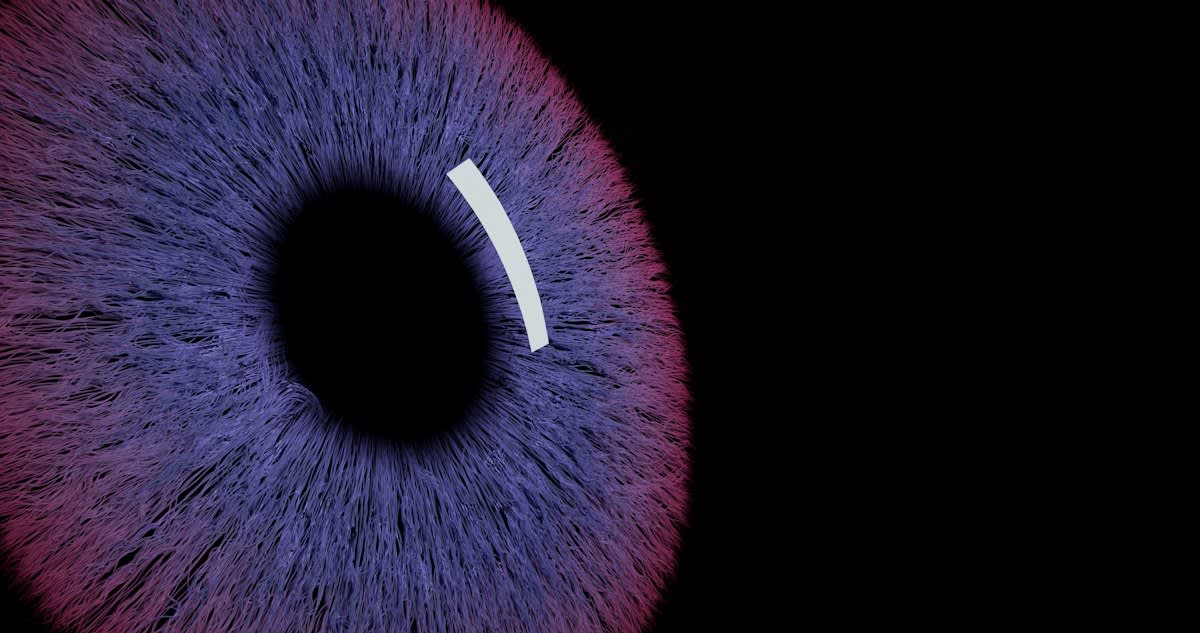
Retinas deceive human observers. 100% of ocular input is converted to chemical energy (Source: Britannica, 2026). This conversion process is the first point of failure where objective light becomes subjective data. The retina receives light and transforms it into chemical signals for the brain to process. This biological bridge is where the first lie begins, as the brain does not see light, but rather interprets chemical pulses.
Prerequisites for Visual Auditing
Observers must first accept that the eye is a flawed instrument. Understanding the difference between spectral data and perceived hue is mandatory for any accurate reading of art or astronomy. One must be aware of the environment surrounding the object, as background hues dictate the perceived color of the subject. Without a neutral reference point, the brain defaults to overcorrection. This prerequisite knowledge prevents the observer from trusting the initial visual impulse.
- Knowledge of retina-to-chemical energy conversion (Source: Britannica, 2026)
- Awareness of physiological color contrast
- Understanding of framing psychology
- Access to spectral data or objective color charts
Steps to Identify Color Deception
- Isolate the subject from its background to eliminate physiological contrast.
- Analyze the surrounding frame for contrasting or unifying hues (Source: EasyFrame, 2026).
- Cross-reference the perceived color with known spectral emissions to identify brain overcorrection.
- Evaluate the emotional response to determine if the color is being used to evoke specific feelings like power or harmony (Source: EasyFrame, 2026).
- Verify if the object is a composite of filters or a processing artifact (Source: Geosirius, 2026).
Physiological contrast occurs when the brain misinterprets a hue based on its neighbor. For instance, a blue-white star placed against a reddish background can appear greenish (Source: Geosirius, 2026). The brain attempts to balance the colors and overcorrects the output. This is a biological error, not a physical property of the star. Professional researchers ignore these visual cues because they recognize the trick of the eye.

The Sun provides a stark example of this perceptual lie. Although the Sun emits plenty of green photons, it appears white from space (Source: Geosirius, 2026). The human brain processes the blended output of the entire spectrum as white or yellowish-white. This demonstrates that the perceived color of an object is often a composite lie rather than a single truth. The eye simplifies the data to make it manageable.
"When you look at astronomical breakthroughs, the media loves to twist things for clicks. They take a complex quirk of stellar physics and turn it into a sci-fi fantasy."— Geosirius Research Team, 2026
Artistic manipulation follows a similar logic of deception. Artists use color theory to direct attention and unify a piece (Source: Formal Aspects of Art, 2026). By manipulating form, they communicate structure and identity through a controlled visual language. This is not about representing reality, but about controlling the viewer's biological response. The art is the delivery system for the lie.
In Jakarta galleries, practitioners often debate the friction between formal structure and emotional manipulation. The struggle lies in whether a color should be read for its identity or its effect. Some curators insist on neutral lighting to strip away the lies of the environment. Others argue that the deception is the point of the work. This ground-level conflict highlights the gap between scientific perception and artistic intent.
The Psychology of Framing
Framing is a psychological tool that shapes how an image is understood (Source: EasyFrame, 2026). A contrasting frame draws the eye toward the center, while a frame using colors from the image creates a unified look. This choice can reinforce the narrative of the art or work against it. The frame is not a border, but a part of the story. It dictates the boundary between the lie and the reality.

Specific colors are deployed to trigger predictable emotional states. Green is linked to growth and harmony, whereas purple is used to signal power, nobility, and ambition (Source: EasyFrame, 2026). Warm colors like reds and yellows suggest excitement and energy. Cool colors like blues and greens suggest calm or sadness. These associations are not inherent to the light itself but are learned psychological responses.
| Color Group | Perceived Emotion/Association | Psychological Effect |
|---|---|---|
| Warm (Red, Orange, Yellow) | Excitement, Energy | Attention-grabbing |
| Cool (Blue, Green) | Calm, Sadness | Receding/Quiet |
| Purple | Power, Luxury, Ambition | Status Signaling |
| Green | Growth, Harmony, Freshness | Stability |
Failure Points
The primary failure point in color perception is the reliance on the first glance. When an observer sees a bright green star, they are experiencing a failure of ocular processing (Source: Geosirius, 2026). The brain overcorrects the blue-white light against a red background. This leads to a false conclusion about the physical properties of the object. The failure is not in the light, but in the interpretation.
Another failure point occurs in the selection of framing. A frame that contradicts the mood of the artwork can create cognitive dissonance for the viewer (Source: EasyFrame, 2026). If a calm blue painting is placed in a high-energy red frame, the intended emotion is neutralized. This creates a conflict in the viewer's perception. The intended message is lost to the noise of the frame.
Common Pitfalls
Observers frequently mistake processing artifacts for physical reality. In astronomical imagery, composite filters are often used to make invisible data visible (Source: Geosirius, 2026). Casual observers often mistake these for actual colors. This is a pitfall of media consumption where complexity is traded for a sci-fi fantasy. The resulting image is a map of data, not a photograph of a hue.
A second pitfall is the assumption that color associations are universal. While purple may suggest luxury in one context, it may be irrelevant in another. Relying solely on the psychology of color can lead to a shallow reading of the art. One must look past the emotional trigger to the formal structure. The lie is the emotion; the truth is the form.
Editorial Note
This guide focuses on the biological and psychological mechanisms of color perception. It does not account for color blindness or other ocular pathologies which further alter the data stream.
Fact-Check Note
Fact-Check: The claim that green stars do not exist in the physical sense is supported by astrophysical data regarding spectral output and physiological contrast (Source: Geosirius, 2026). The retina's role in chemical conversion is a biological fact (Source: Britannica, 2026).