Former Indian Head Coach on Bumrah: ‘Don’t think he should play all three formats’
Source Entity
The Indian Express
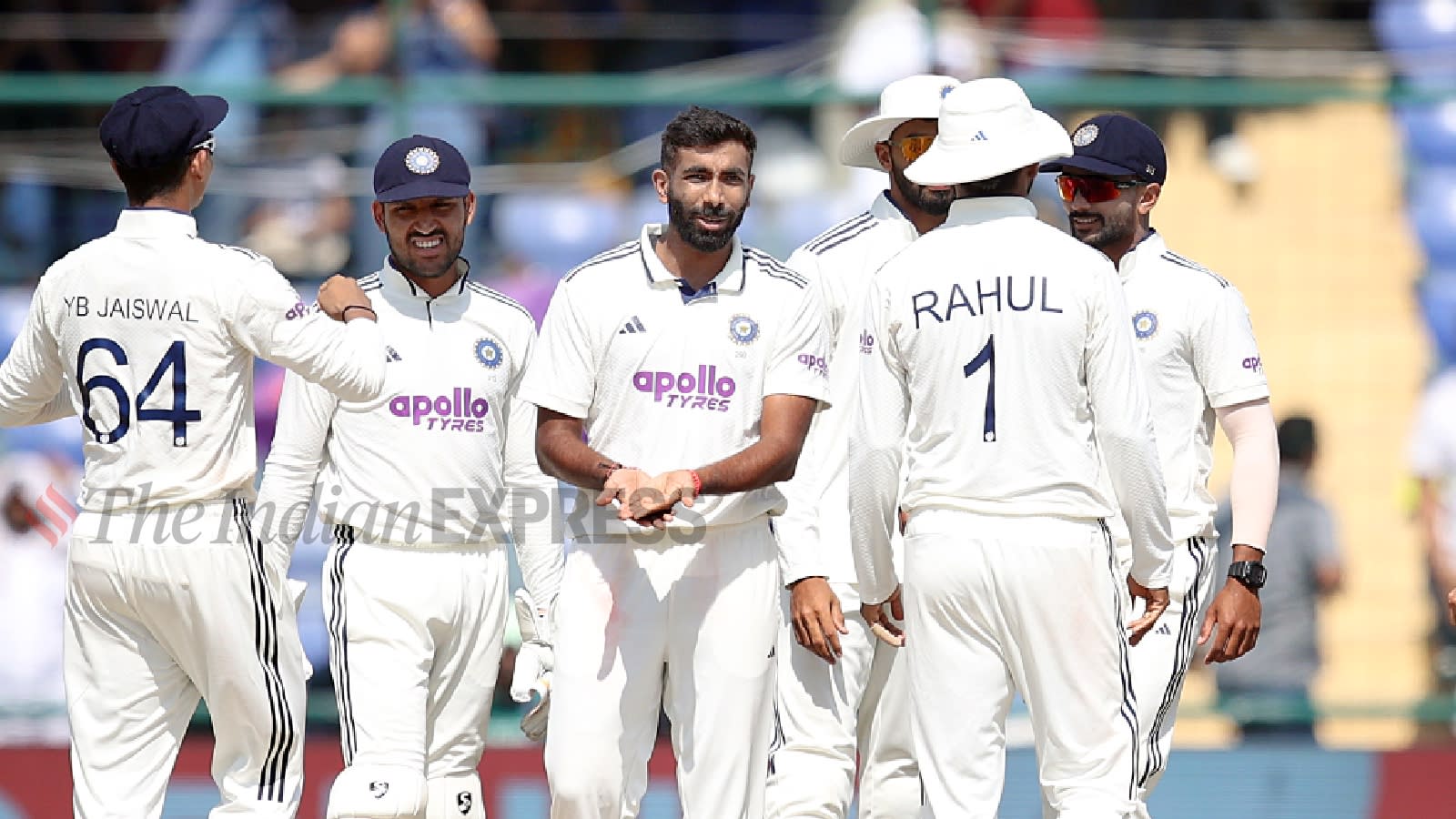
Former coach Ravi Shastri has advised limiting Jasprit Bumrah's workload across formats to ensure his fitness for major ICC events. He emphasizes prioritizing Test cricket and occasional ODIs to preserve the pacer's longevity.
Strategic Workload Management: The Bumrah Dilemma
Former Indian head coach Ravi Shastri has ignited a critical conversation regarding the career longevity of ace pacer Jasprit Bumrah. As India prepares for their upcoming tour of New Zealand, which commences on October 22, the focus has shifted from mere squad selection to the long-term preservation of the team's most potent bowling asset. Shastri’s explicit advice—that Bumrah should not be playing all three formats—stems from a history of recent injuries that have hampered the fast bowler's availability.
The Case for Prioritization
Shastri argues that Bumrah’s participation should be strictly tiered, with a primary focus on Test cricket. The rationale is clear: Test matches represent the pinnacle of the sport, and Bumrah’s unique skill set remains indispensable in the longest format. By limiting his exposure to the high-intensity, high-frequency nature of T20Is and managing his ODI appearances sporadically, the team management aims to mitigate the physical toll that has plagued the pacer in recent seasons.
Preparing for the 2027 ODI World Cup
Looking toward the horizon, the 2027 ODI World Cup serves as the ultimate benchmark for this workload strategy. Shastri notes that while Bumrah remains vital for 50-over cricket, his inclusion must be calculated. The goal is to ensure that when the World Cup arrives, Bumrah is not only fit but also performing at his peak capacity. This necessitates a strategic withdrawal from the relentless grind of the international calendar.
The Role of Experienced Bowlers
In addition to Bumrah’s management, Shastri has voiced strong support for the inclusion of veterans like Bhuvneshwar Kumar and Mohammed Shami. As India heads into the challenging conditions of New Zealand, the presence of these seasoned campaigners is seen as a stabilizer. Their experience in navigating foreign pitches is expected to be a force multiplier for the squad, providing a necessary balance to the team’s overall bowling attack.
Future Trends and Team Direction
The upcoming New Zealand tour is viewed by experts as a litmus test for the current trajectory of Indian cricket. The conditions in New Zealand are notoriously difficult for visiting teams, and the tactical decisions made during this series will likely dictate how the BCCI approaches player rotation moving forward. If the management adopts Shastri's cautious approach, it could signal a shift toward specialized roles for premier fast bowlers, prioritizing longevity over short-term availability across every bilateral series.
Conclusion
Ultimately, the discourse surrounding Jasprit Bumrah highlights the modern challenge of managing elite athletes in an era of saturated cricketing calendars. By balancing the immediate requirements of competitive series against the long-term necessity of health, the Indian team is attempting to maximize the impact of their best players. Whether this strategy will lead to sustained success at the 2027 World Cup remains to be seen, but the intent to protect the team's core talent is clear.