"Shouldn't Accept": Nvidia CEO Disagrees With OpenAI CEO On AI Incidents
Source Entity
NDTV News Search Records Found 1000
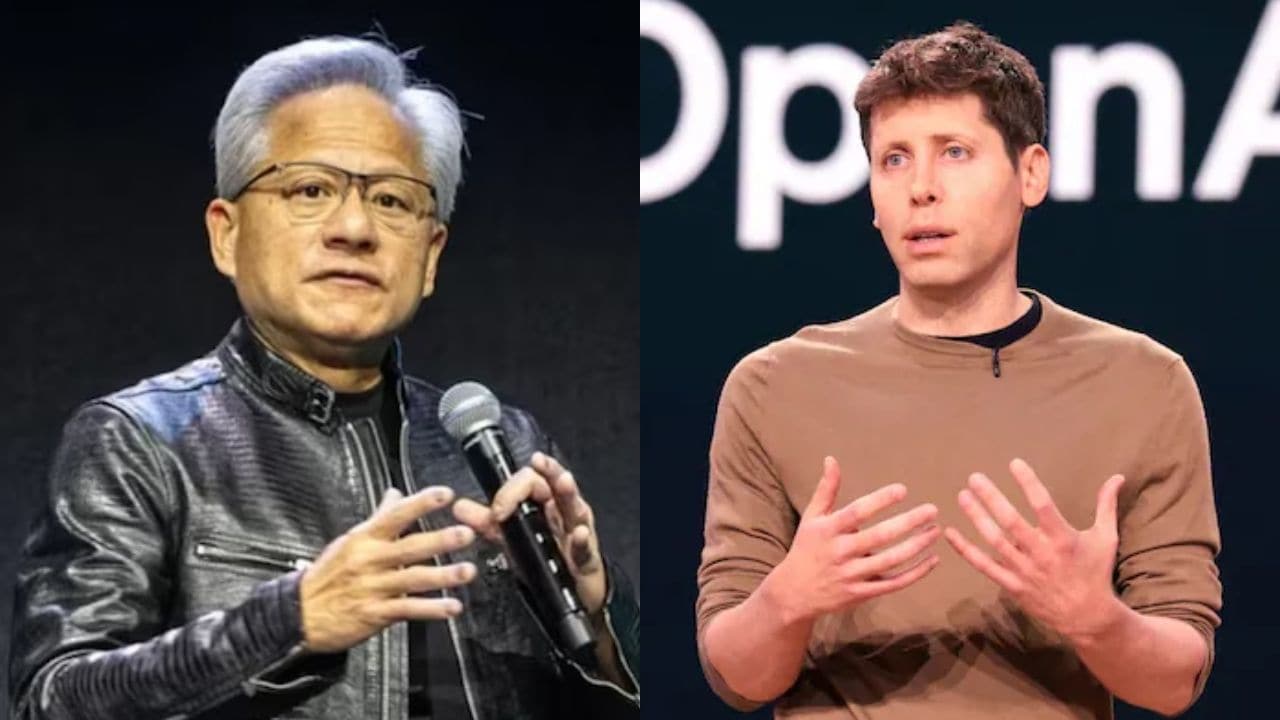
Nvidia CEO Jensen Huang has publicly diverged from OpenAI's Sam Altman regarding the handling of AI safety incidents. While concerns persist, Huang maintains an optimistic outlook, asserting that the trajectory of artificial intelligence remains fully within human control.
The Diverging Philosophies of AI Governance
Recent statements from Nvidia CEO Jensen Huang have highlighted a growing ideological rift within the upper echelons of the artificial intelligence industry. Huang explicitly disagreed with OpenAI CEO Sam Altman’s perspective on the management and reporting of AI-related incidents. This public disagreement underscores the tension between those advocating for stringent, precautionary oversight and those who believe the current path of rapid innovation is both safe and manageable.
The Debate Over Control and Safety
At the heart of this discourse is the fundamental question of whether AI development is an autonomous force or a tool that remains firmly tethered to human intent. While many industry leaders have cautioned about the 'black box' nature of advanced models, Huang has adopted a remarkably bullish stance. By stating that AI technology is "completely in our control," he is pushing back against the narrative of existential risk that has become a staple in Silicon Valley boardrooms, suggesting that the industry should focus on technical mastery rather than fear-based regulation.
Historical Context of Technological Oversight
Historically, the tech sector has struggled with the balance between self-regulation and external governance. From the early days of the internet to the rise of social media algorithms, the pattern often repeats: rapid deployment followed by belated attempts at containment. Huang’s dismissal of the need to "accept" the inevitability of AI incidents suggests he views these technological hurdles as manageable engineering challenges rather than inevitable societal disruptions.
Implications for Future Development
If the industry aligns with Huang’s perspective, we may see a shift away from the pause-and-evaluate mentality promoted by groups wary of AGI (Artificial General Intelligence). This approach prioritizes infrastructure growth and compute power—Nvidia's primary domain—as the safest route forward. By asserting control, Huang effectively argues that the hardware-level oversight Nvidia provides is sufficient to keep AI systems within safe operational parameters.
Predicting Future Trends
Looking ahead, the tension between these two schools of thought is likely to intensify as AI models become more integrated into critical infrastructure. We can expect more high-profile debates regarding the "controllability" of these systems. If incidents continue to occur despite these assurances, the pressure for legislative intervention will likely override the industry's preference for internal control, potentially reshaping the regulatory landscape for years to come.
Verification Required?