SK Hynix bargains for chip equipment exports to its China facility in return for building a factory in US
Source Entity
Kate Park
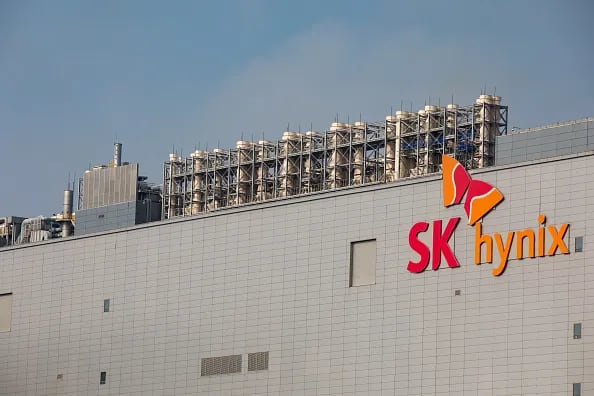
SK Hynix's Solidigm unit is negotiating with the U.S. government to export chipmaking equipment to its Dalian, China facility. This request is linked to the company's potential investment in a new NAND flash memory factory in upstate New York.
The Geopolitical Balancing Act: SK Hynix and Solidigm’s Strategic Dilemma
SK Hynix, through its subsidiary Solidigm, is currently navigating the complex intersection of global supply chain logistics and tightening export controls. Reports indicate that the firm is seeking U.S. regulatory approval to export advanced chipmaking equipment to its production facility in Dalian, China. This diplomatic and industrial maneuver highlights the precarious position of multinational semiconductor firms caught between U.S. efforts to limit Chinese technological advancement and the commercial necessity of maintaining existing production networks.
The Trade-off: Equipment for Investment
The core of this negotiation rests on a quid pro quo arrangement. As the U.S. government maintains strict oversight on the flow of high-end semiconductor manufacturing technology to China, SK Hynix is leveraging its potential expansion into the American market as a bargaining chip. By considering a new NAND flash memory factory in upstate New York, the company is attempting to align its corporate interests with U.S. industrial policy, specifically the desire to bolster domestic chip manufacturing capacity.
Understanding NAND Flash and AI Demand
NAND flash chips are the backbone of modern digital storage, essential for devices ranging from consumer smartphones and laptops to the massive infrastructure powering AI data centers. The current global component shortage, exacerbated by the relentless demand for generative AI, has made these chips a critical strategic asset. As data centers expand to meet AI computational requirements, the demand for high-capacity, high-speed storage has surged, driving up prices and intensifying the competition for reliable supply chains.
Strategic Implications of the Dalian Facility
The Dalian facility represents a significant capital investment for Solidigm. Disruptions to the supply of equipment at this site would not only impact the company's bottom line but could also ripple through the global storage market. By seeking approval for equipment exports, SK Hynix is attempting to preserve its operational continuity while signaling to Washington that it is a willing partner in the development of American semiconductor infrastructure.
Future Trends and Industrial Policy
This situation serves as a bellwether for the future of the global semiconductor industry. As nations increasingly view chip manufacturing as a matter of national security, companies will likely face more frequent, high-stakes negotiations involving multi-regional investments. The outcome of the Solidigm-U.S. talks will set a precedent for how foreign firms can balance their existing international footprints with the requirements of U.S.-led supply chain initiatives.
Conclusion
Ultimately, SK Hynix’s approach demonstrates the high cost of doing business in a bifurcated global economy. Whether the U.S. government views the proposed New York factory as sufficient compensation for the continued technical support of Chinese-based facilities remains to be seen. This case underscores the reality that for major semiconductor players, technological sovereignty and commercial expansion are now irrevocably linked to complex geopolitical negotiations.