CedarDB wants one database to handle both transactions and analytics, as AI agents raise the stakes
Source Entity
Anna Heim
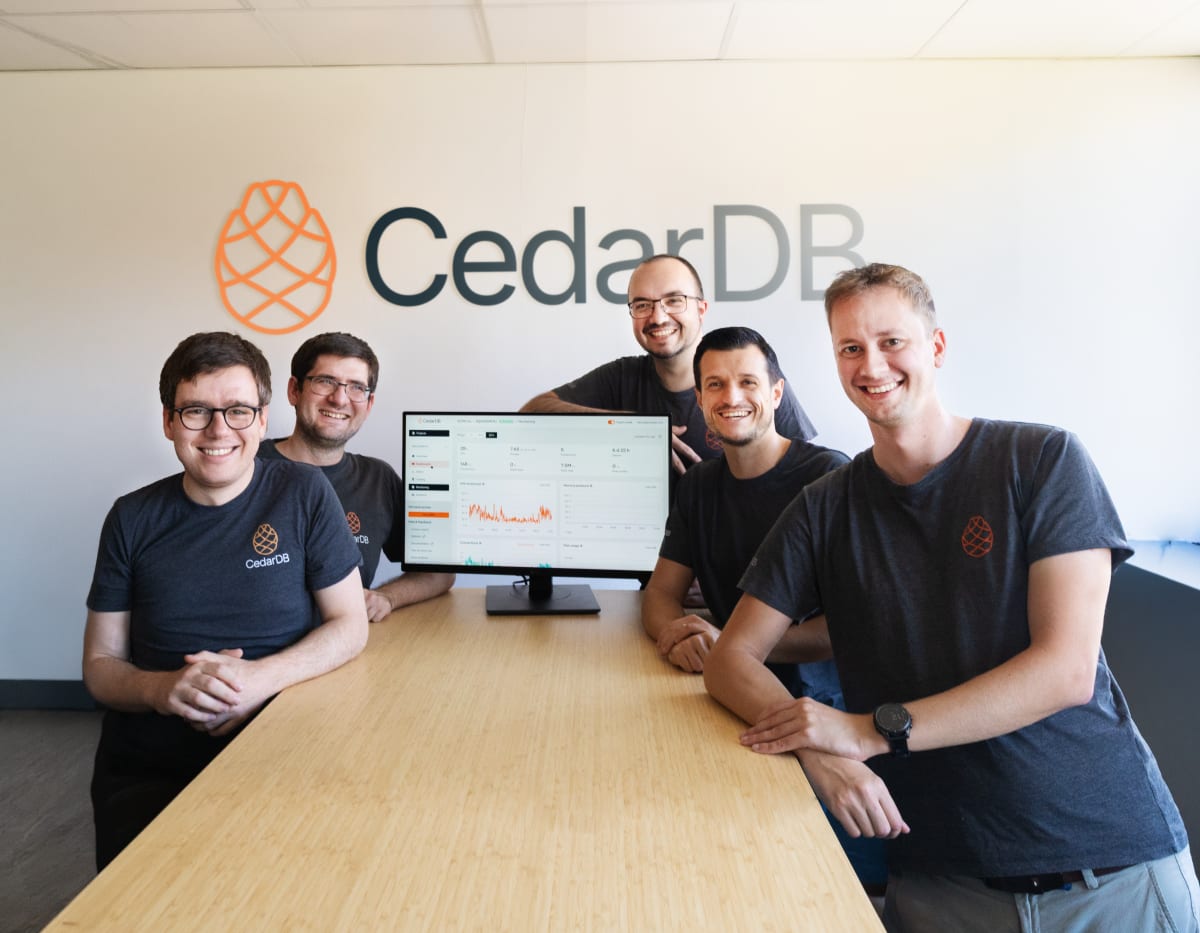
CedarDB is disrupting traditional database architecture by merging transactional and analytical capabilities into a single engine. This hybrid approach is increasingly vital for supporting agentic AI systems that require real-time data access and complex analysis.
The Convergence of Transactional and Analytical Data
For decades, the data infrastructure landscape has been defined by a rigid dichotomy: operational databases (OLTP) for recording daily transactions and analytical databases (OLAP) for deriving business intelligence. This separation was born out of technical necessity, as the processing requirements for high-frequency writes (orders, payments) often conflicted with the resource-heavy demands of complex analytical read queries. However, the emergence of the Munich-based database engine CedarDB represents a significant shift in this architectural paradigm, aiming to unify these two historically distinct domains.
The Impact of Agentic AI
The rising prominence of agentic AI—autonomous systems capable of executing multi-step tasks—has placed unprecedented pressure on existing data stacks. Unlike static dashboards, these AI agents require instantaneous access to operational data while simultaneously performing deep analytical reasoning. As CedarDB CEO Moritz Sichert highlights, traditional stacks often fail here; they may excel at storing years of transaction records but lack the agility to answer natural language analytical queries in real-time. CedarDB’s architecture is specifically designed to bridge this latency gap, enabling AI to query operational data without the need for complex, time-consuming data migration or synchronization.
A Decade in the Making
While the current market momentum for CedarDB is tied to the modern AI boom, the technology itself is the result of a decade-long development cycle. This extended incubation period suggests a foundational approach to database design rather than a superficial overlay. By questioning the fundamental divide between transactional and analytical processing, CedarDB is positioning itself to replace the fragmented "data warehouses" and "data lakes" that have historically required extensive ETL (Extract, Transform, Load) processes, which are notoriously slow and prone to data staleness.
Broader Implications for Enterprise Data
For enterprise organizations, the implications of this shift are profound. The current standard of maintaining separate systems for operations and analytics creates a "data tax"—a burden of maintenance, synchronization, and latent insight. By collapsing these silos, companies can theoretically empower their AI agents to make decisions based on the most current state of the business, rather than on stale, processed batch data. This transition is not merely a technical upgrade; it is a fundamental shift in how business intelligence is generated and consumed within a corporate environment.
Future Trends in Data Architecture
The success of CedarDB underscores a growing trend toward "unified" data platforms. As AI systems become more integrated into the core workflows of global enterprises, the demand for low-latency, hybrid transactional-analytical processing (HTAP) will likely grow. We can expect to see increased competition in this space as cloud providers and established database vendors attempt to reconcile their own fragmented architectures. Ultimately, the ability to provide AI agents with immediate, context-aware data will define the next generation of competitive enterprise software.