Bank of America fined $1.21 billion as regulators cite failures involving $5 billion in suspicious activity: What went wrong?
Source Entity
Latest News: Todays Latest News Headlines from India & World | Hindustan Times | Hindustan Times
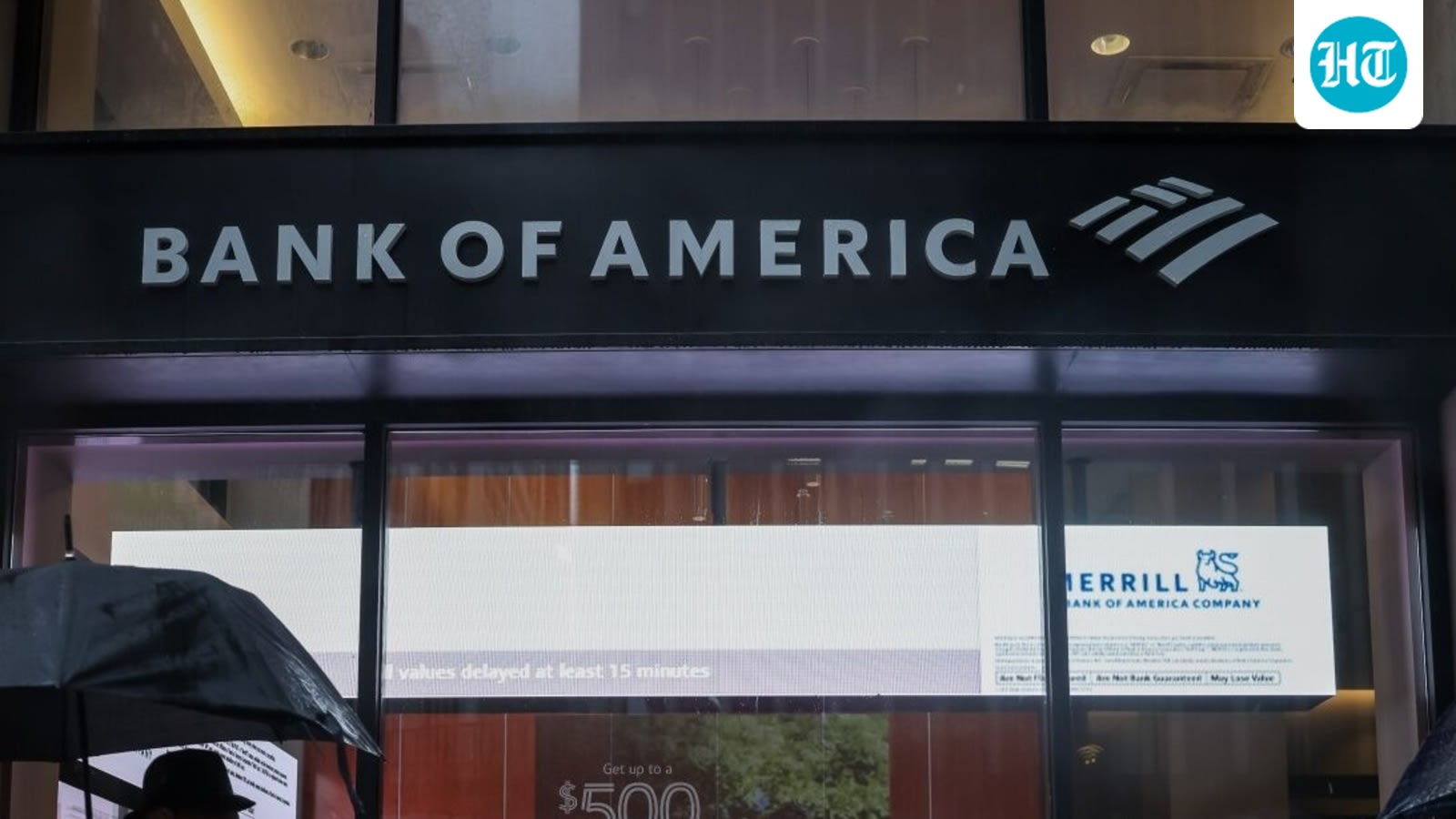
Bank of America has been fined $1.21 billion by US regulators for failing to report $5 billion in suspicious transactions. The penalty, which includes risks related to national security, will impact the bank's third-quarter earnings report.
Regulatory Oversight and Financial Penalties
Bank of America, the second-largest financial institution in the United States by assets, has been hit with a staggering $1.21 billion penalty by federal regulators. This massive fine follows a multi-year failure by the bank to detect and report over $5 billion in suspicious financial transactions. The Treasury Department’s Financial Crimes Enforcement Network (FinCEN) underscored that these lapses were not merely administrative oversights but significant systemic failures that persisted for years, despite explicit requirements for financial institutions to maintain robust anti-money-laundering (AML) protocols.
The Nature of the Suspicious Activity
The severity of the penalty is largely attributed to the nature of the unreported transactions. According to the Treasury, more than $1 billion of the activity involved high-priority risks directly impacting national security. This includes links to sophisticated Chinese money-laundering networks and illicit activities associated with the U.S. southwest border. By failing to flag these transactions, the bank effectively provided a blind spot that potentially allowed illicit funds to bypass regulatory scrutiny, prompting the heavy intervention from the Treasury.
Impact on Quarterly Financials
This regulatory action comes at a precarious time for the institution, occurring just one day before the bank was scheduled to report its third-quarter earnings. The $1.21 billion charge is expected to have a tangible impact on the bottom line, with estimates suggesting a reduction of 17 cents per share in net income. Investors and market analysts are now closely scrutinizing the bank's financial health, as this significant non-recurring expense will likely dominate the narrative during the earnings call.
Leadership and Institutional Governance
The timing of this fine has cast a spotlight on CEO Brian Moynihan, who has led the organization since 2010. Moynihan, who initially spent his tenure navigating the bank through the fallout of the 2008 financial crisis, is now facing renewed scrutiny regarding the effectiveness of the bank's internal controls. The recurring nature of these compliance failures raises fundamental questions about whether the bank's risk-management infrastructure has kept pace with its massive global operations.
Broader Implications for the Banking Sector
This event serves as a stark reminder of the escalating pressure on major financial institutions to act as the first line of defense against global financial crime. As regulators tighten their grip on AML compliance, banks are finding that the cost of failure far exceeds the investment required to maintain robust monitoring systems. The size of this penalty, one of the largest in the Treasury's history, signals a shift toward more aggressive enforcement actions aimed at deterring institutional negligence in the face of national security threats.
Future Outlook and Regulatory Trends
Moving forward, Bank of America will likely face increased oversight and mandatory remediation measures to ensure that its compliance systems are fully overhauled. The market will be watching to see how the bank responds to these governance questions and whether this incident marks a turning point in how the institution manages high-risk transactions. As financial crime becomes increasingly complex, the industry must prepare for a future where regulatory compliance is not just a legal obligation, but a central component of operational integrity.
Multiple Citing Sources
Verification Required?