Now, MDR on UPI to be rolled out after Diwali
Source Entity
TNN
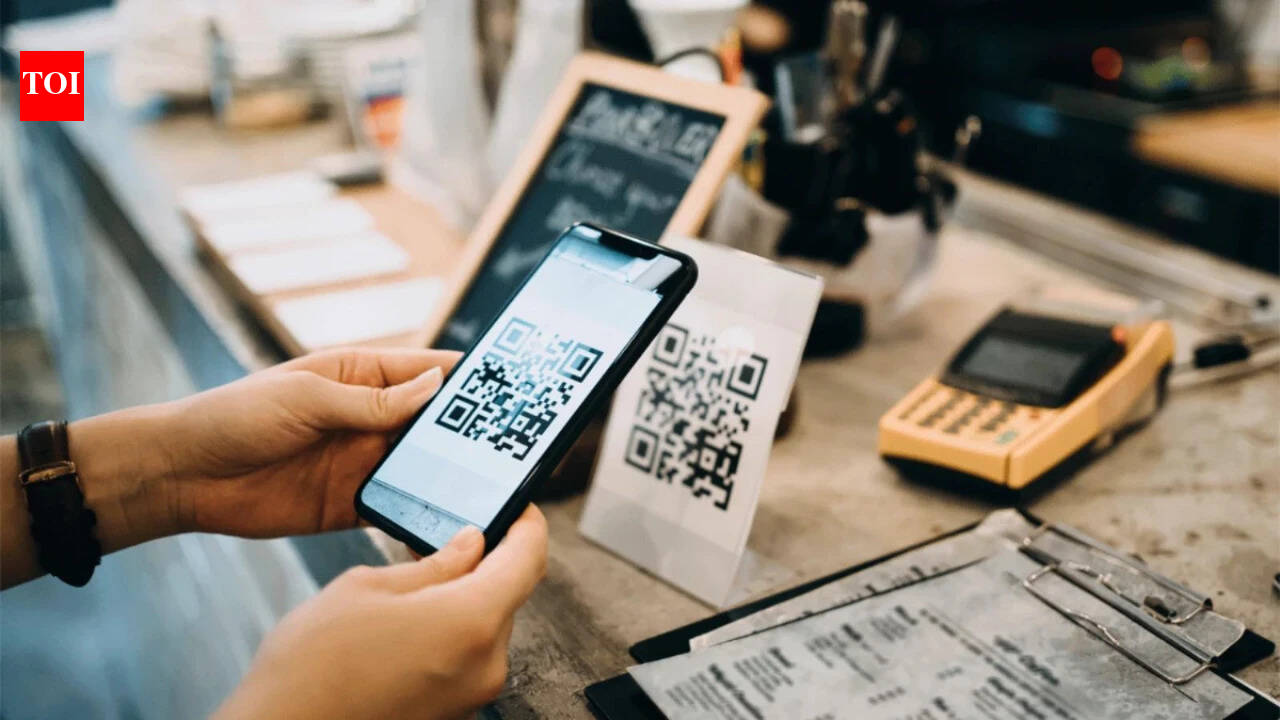
The NPCI has deferred the implementation of a 0.4% Merchant Discount Rate on UPI transactions over Rs 2,000 until after Diwali. This delay aims to prevent payment disruptions during the peak festive shopping season.
Delay of UPI Merchant Discount Rate: Navigating Festive Financial Flows
The National Payments Corporation of India (NPCI) has officially announced a deferral of the implementation of the Merchant Discount Rate (MDR) for specific Person-to-Merchant (P2M) UPI transactions exceeding Rs 2,000. Originally slated for an October 15 rollout, the 0.4% fee will now be introduced only after the Diwali festivities conclude, with a specific date to be announced in due course.
Rationale Behind the Postponement
This strategic decision by the UPI and Services Steering Committee is rooted in the practical realities of India's retail landscape. Diwali represents the pinnacle of the annual shopping calendar, characterized by unprecedented volumes of digital transactions. By delaying the fee, the NPCI seeks to ensure that the payment ecosystem remains stable and free from technical or operational friction during this high-stakes period, thereby protecting both merchants and consumers from potential service disruptions.
Understanding the Merchant Discount Rate (MDR)
The MDR is a fee paid by merchants to the entities within the digital payment ecosystem, including banks and payment service providers, to facilitate the processing of card and digital transactions. In the context of UPI, which has traditionally been a zero-cost medium for users, the introduction of a 0.4% fee on transactions over Rs 2,000 marks a significant shift. Crucially, the policy dictates that this cost is borne entirely by the merchant, ensuring that the end consumer remains shielded from any additional charges.
Industry Implications and Revenue Streams
The introduction of this fee is widely viewed as a mechanism to create sustainable revenue streams for payment companies. As UPI has scaled to become the backbone of India's retail payments, the cost of infrastructure maintenance and innovation has grown. The implementation of MDR is intended to compensate the service providers for their role in enabling these high-value transactions, encouraging further investment in payment technology and security.
Addressing Market Pushback
Since the initial announcement of the proposed charges, the move has encountered notable pushback from various stakeholders within the merchant community. Concerns regarding profit margins and the potential for a shift in consumer behavior have fueled this resistance. The delay provides a critical window for these stakeholders to prepare for the transition and for the regulatory bodies to refine the implementation framework to minimize economic impact.
Future Outlook
As the industry looks toward the post-Diwali landscape, the focus will shift to how effectively the NPCI communicates the new implementation date and how merchants adapt to the cost structure. While the delay offers a temporary reprieve, the eventual introduction of the 0.4% MDR signals a maturation of the UPI ecosystem, moving toward a model that prioritizes long-term financial viability for service providers while maintaining the accessibility that has made UPI a global benchmark for digital payments.