Singapore third-quarter GDP growth softens from four-year high but beats estimates
Source Entity
US Top News and Analysis
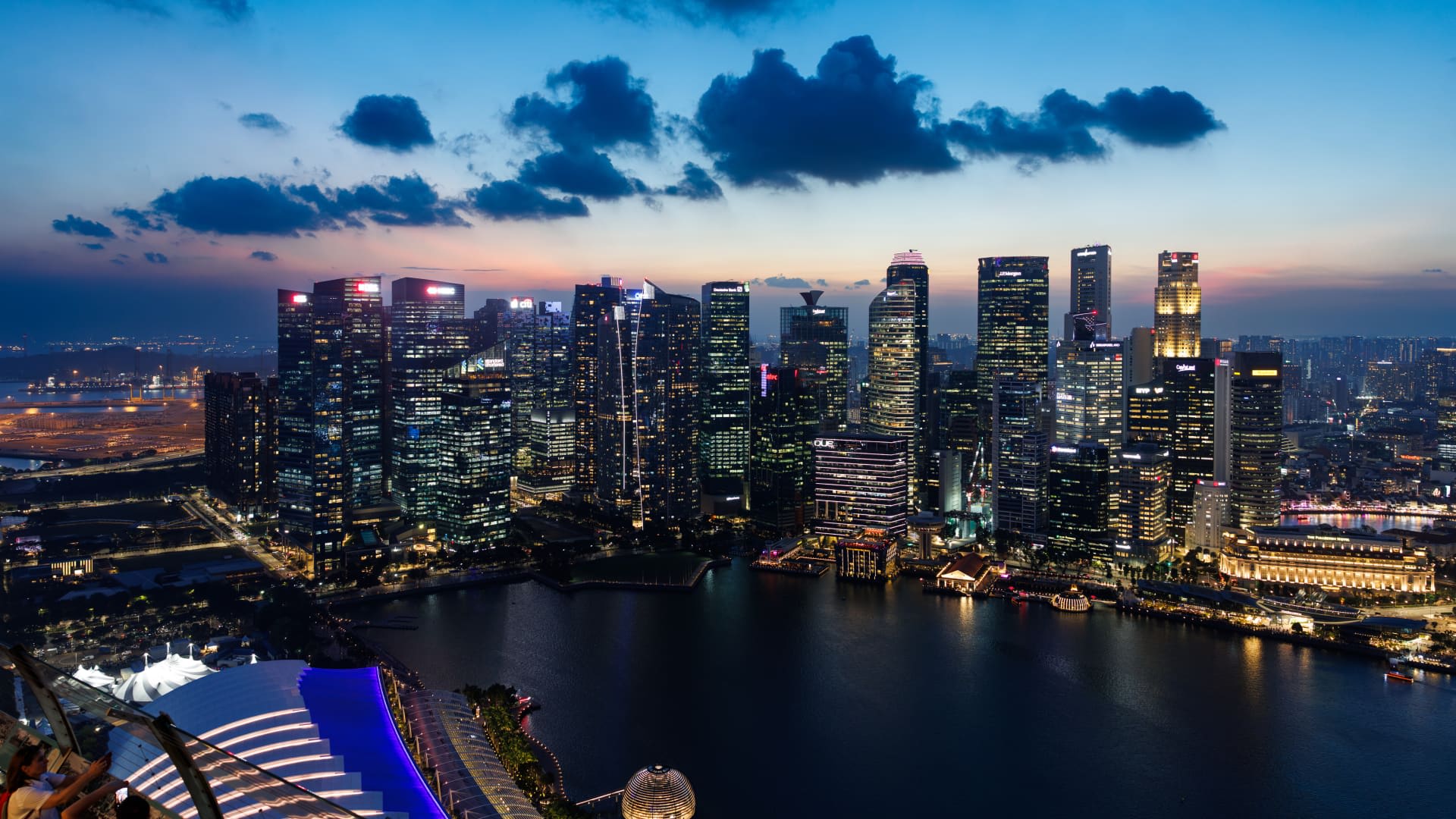
Singapore's GDP growth cooled to 5.4% in the third quarter of 2026, yet still outperformed economist forecasts. While manufacturing faces headwinds, resilience in the construction sector and ongoing AI-driven demand continue to support the nation's economic momentum.
Singapore's Economic Resilience Amidst Growth Deceleration
Singapore’s economic trajectory encountered a expected cooling in the third quarter of 2026, as GDP growth registered at 5.4%. While this figure represents a deceleration from the four-year high observed in the preceding quarter, it remains a robust performance that surpassed the consensus estimates of 5% projected by Reuters-polled economists. This outcome underscores the underlying durability of the city-state’s economy even as it navigates complex global market shifts.
Sectoral Shifts and Manufacturing Headwinds
The moderation in growth is largely attributed to a contraction within the manufacturing sector, a critical pillar of the Singaporean economy that accounts for approximately 20% of its total GDP. As a highly open, trade-dependent economy, Singapore is particularly sensitive to fluctuations in global industrial demand and supply chain volatility. The recent decline in manufacturing output highlights the challenges inherent in maintaining high-growth manufacturing cycles in an era of shifting global trade patterns.
Construction as a Stabilizing Force
Countering the downturn in manufacturing, the construction sector demonstrated significant expansion during the third quarter. This shift indicates a strategic pivot where domestic infrastructure development and private sector building activity have served to cushion the broader economy against industrial volatility. By absorbing labor and capital, the construction sector has played a vital role in ensuring that the overall economic output remained above the market's conservative expectations.
The Role of Technology and AI Exports
The broader context for this year’s performance remains rooted in the robust momentum established earlier in 2026. Back in August, the government upwardly revised its annual growth forecast, largely driven by a surge in AI-related sectors and high-value exports. This technological tailwind has been instrumental in allowing Singapore to consistently outperform growth forecasts throughout the first two quarters of the year, cementing the nation’s status as a key node in the global digital economy.
Future Trends and Outlook
Looking ahead, Singapore's economic policy will likely continue to balance the volatility of the manufacturing sector with the sustained demand for high-tech services. The ability of the city-state to maintain growth above 5% despite manufacturing headwinds suggests that the diversification into AI and digital infrastructure is paying dividends. As the global economic landscape evolves, policymakers will likely remain focused on fostering innovation to offset traditional industrial risks, ensuring the nation remains a competitive hub in the face of fluctuating global demand.