Ministry of Home Affairs directs States to prevent CJP supporters from mobilising towards Delhi
Source Entity
India Latest News: Top National Headlines Today & Breaking News | The Hindu
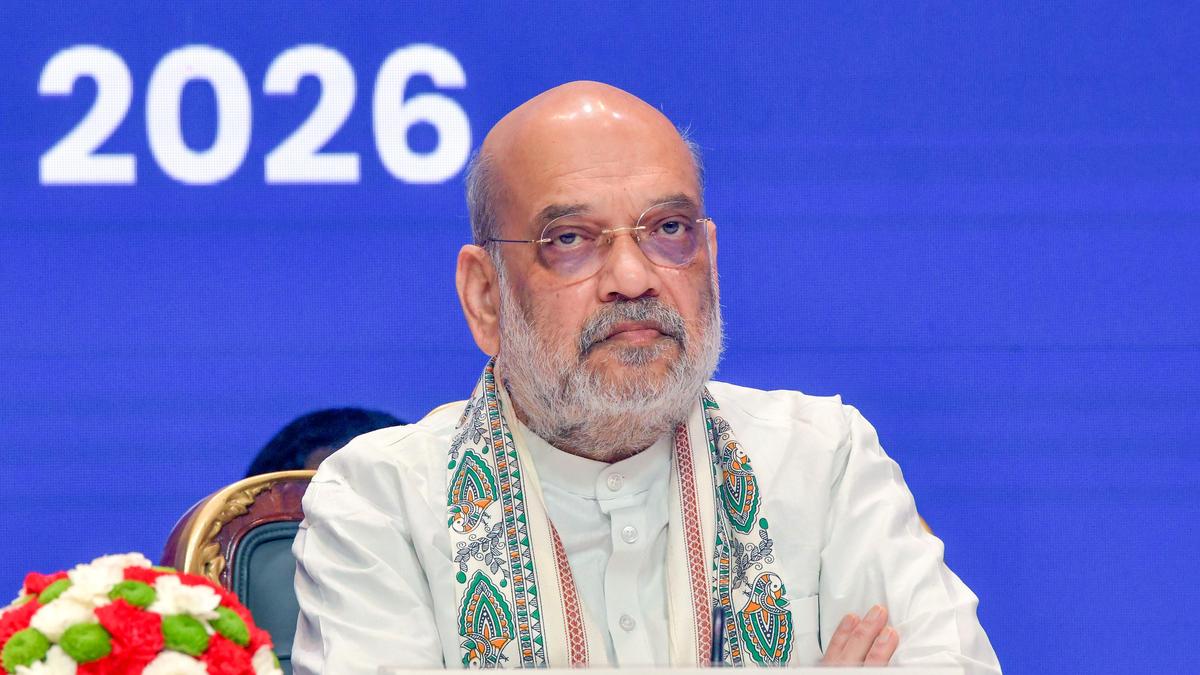
The Union Ministry of Home Affairs has directed states to prevent CJP supporters from marching toward Delhi due to public order concerns. The directive follows the Delhi Police's refusal to grant permission for the protest, citing a history of non-compliance.
MHA Directs Nationwide Crackdown on CJP Protest Mobilization
In a significant move to maintain public order, the Union Ministry of Home Affairs (MHA) issued a formal directive on October 9, 2026, instructing all States and Union Territories to coordinate with the Delhi Police to halt the mobilization of supporters associated with the CJP. This directive, spearheaded by Union Home Secretary Govind Mohan, underscores the government's heightened sensitivity toward large-scale demonstrations aimed at the national capital.
Assessing the Rationale Behind the MHA Directive
The core of the government's concern lies in the potential for these protests to escalate into severe law and order challenges. By communicating directly with Chief Secretaries and Directors General of Police (DGPs), the MHA is leveraging the federal administrative machinery to create a multi-layered security buffer. The stated objective is to preemptively address the "grave law and order and public order implications" that such a mobilization could pose to the national capital’s infrastructure and safety.
The Role of Delhi Police and Regulatory Refusal
A critical factor in this decision is the refusal of the Delhi Police to grant the CJP permission to hold the gathering. This rejection is not an isolated administrative decision but is rooted in a "documented history of non-compliance with lawful directions" by the organizing groups. By citing past instances where protest organizers failed to adhere to safety protocols or designated zones, the authorities are establishing a legal precedent for why this specific mobilization is being treated as a high-risk event.
Historical Context and Administrative Precedents
Historically, the Indian government has frequently relied on inter-state cooperation to manage large-scale protest movements. The current directive serves as a reminder of the delicate balance between the democratic right to assemble and the state's responsibility to protect public order. By involving state-level law enforcement early in the process, the MHA aims to prevent the accumulation of protesters at Delhi's borders, effectively curbing the movement before it reaches the urban core.
Broader Implications and Future Trends
This event highlights an intensifying trend of state-led preemptive measures in response to organized political or civil protests. As digital mobilization allows groups to organize quickly, the government's reliance on centralized directives to state police forces is likely to become a standard operating procedure. This approach reflects a shift toward prioritizing national security and urban stability over the logistical allowances typically afforded to protest groups.
Conclusion
As the situation unfolds, the effectiveness of this directive will be measured by the ability of state police forces to enforce the MHA's orders without triggering widespread unrest. The government's firm stance, backed by the documented history of the CJP's previous non-compliance, suggests that the authorities are prepared to utilize all available administrative tools to ensure that the national capital remains shielded from potential disruptions.
Verification Required?