Google’s Universal Cart shopping tool launches in the US
Source Entity
Lauren Forristal
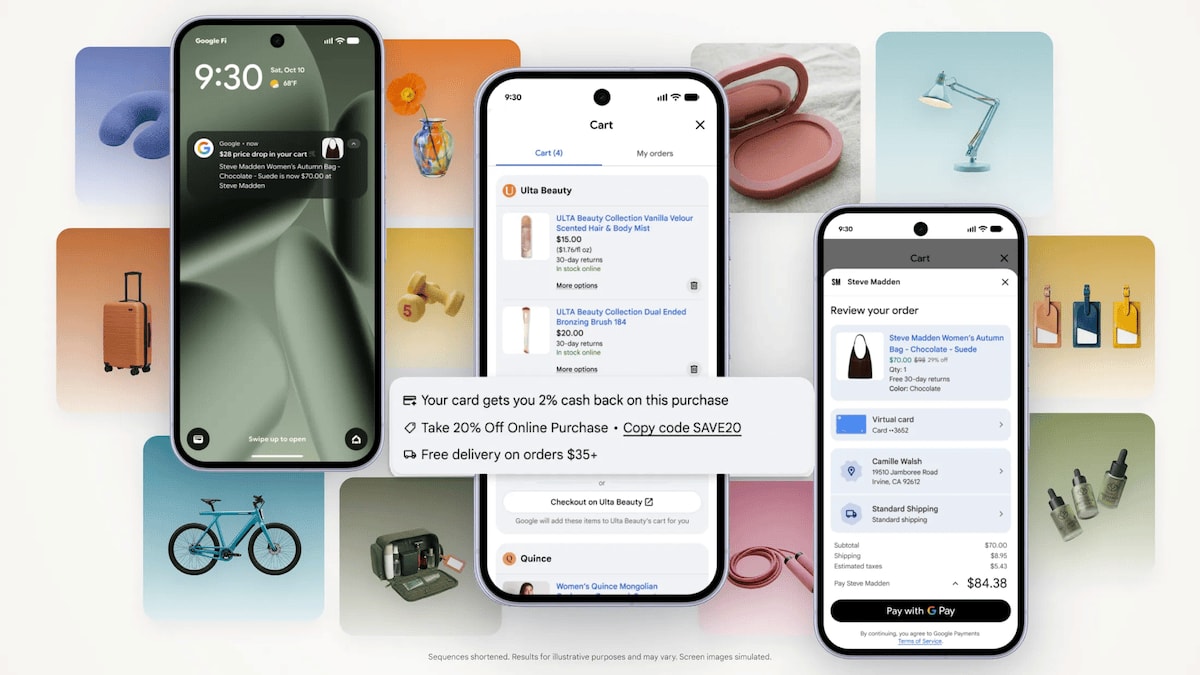
Google has launched its 'Universal Cart' feature in the U.S. across the Gemini app and Google Search. This tool allows users to aggregate products from various retailers into one central hub to track prices and availability.
Google’s Universal Cart: A New Era for E-commerce
Google has officially introduced its 'Universal Cart' feature to U.S. users, marking a significant step in the evolution of its e-commerce strategy. First previewed at the Google I/O conference in May, the tool is now live across the Gemini app and Google Search. By allowing users to save products from various retailers into a single, unified digital space, Google is positioning itself as the primary interface for the modern consumer's shopping journey.
Streamlining the Fragmented Shopping Experience
Historically, online shopping has been characterized by fragmentation. Consumers often navigate dozens of tabs across different merchant sites, making it difficult to compare items or keep track of potential purchases. The Universal Cart directly addresses this friction by serving as a central repository. Whether a user finds an item through an AI-powered search or via the Gemini app, the product is saved to a persistent cart, ensuring that progress is maintained across sessions.
The Role of AI in Consumer Retention
Beyond simple collection, the tool leverages Google’s sophisticated AI capabilities to provide real-time updates. By tracking price drops and inventory status, the Universal Cart transforms a passive list of items into an active, intelligent dashboard. This functionality is particularly relevant as the holiday season approaches, providing users with a proactive way to manage their Black Friday and seasonal spending habits.
Strategic Integration and Future Roadmap
While the current rollout is limited to Google Search and Gemini, the company has signaled broader ambitions. Plans are already in motion to integrate the cart with Gmail and YouTube, potentially turning Google’s entire ecosystem into a seamless storefront. By embedding the shopping experience into the platforms where users spend the most time, Google aims to capture high-intent traffic that might otherwise be lost to individual retailer sites.
Market Implications and Competitive Dynamics
This launch places Google in a more direct competitive position against traditional e-commerce giants like Amazon. By acting as an aggregator rather than a retailer, Google provides a value-added layer that prioritizes user convenience and price transparency. If successful, this tool could fundamentally shift how consumers interact with online advertisements and search results, prioritizing platforms that offer integrated, frictionless purchase workflows.
Conclusion
The launch of Universal Cart reflects a broader trend in the tech industry toward 'utility-first' AI. By evolving from a search engine into a comprehensive shopping assistant, Google is attempting to solve the logistical challenges of digital commerce. As the feature matures and expands into other Google services, it will likely become an essential tool for budget-conscious and organized holiday shoppers across the United States.