Drop Sooryavanshi from squad? ‘Heartbreaking, but no other way,’ says ex-cricketer
Source Entity
PRANAV SHUKLA
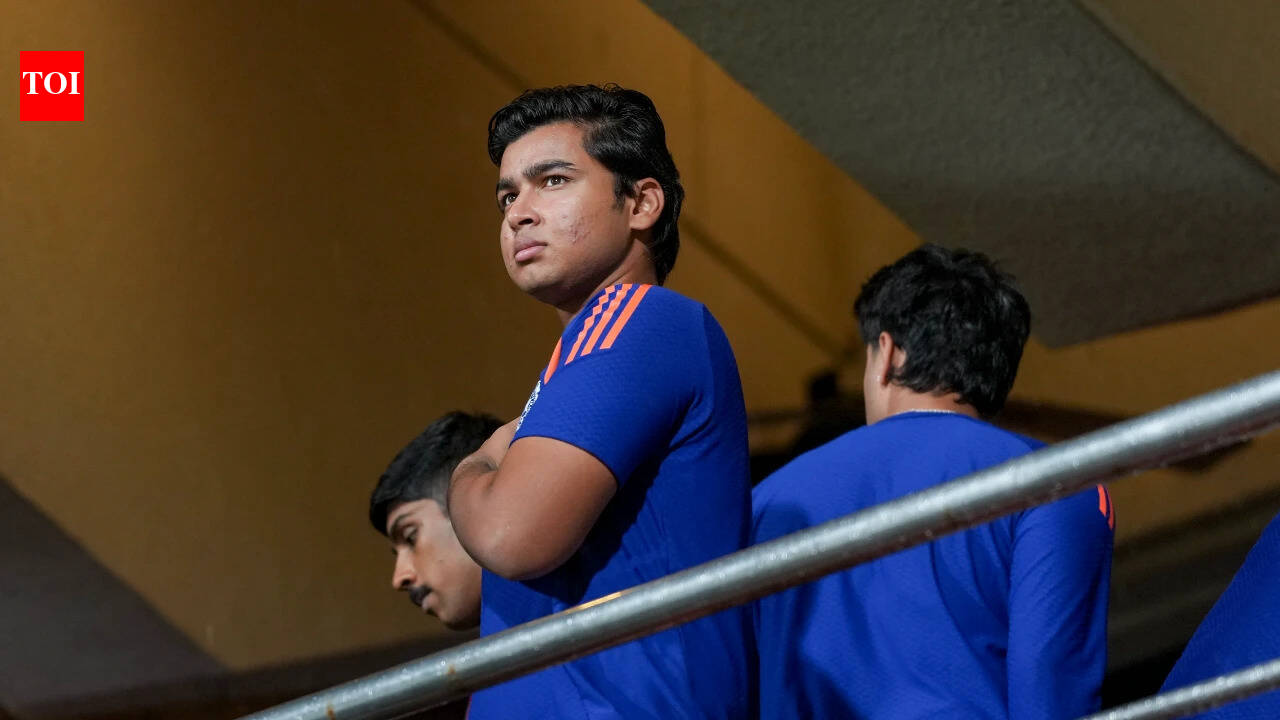
Former cricketer Aakash Chopra suggests Vaibhav Sooryavanshi should play in the Ranji Trophy instead of benching for the T20I squad. Meanwhile, Tilak Varma has expressed his commitment to mastering the role of a finisher for India.
The Selection Dilemma: Balancing Youth and Stability
The recent commentary by former cricketer Aakash Chopra regarding young talent Vaibhav Sooryavanshi highlights a recurring challenge in Indian cricket: the difficulty of integrating rising stars into a highly competitive national T20I squad. Chopra’s assessment that Sooryavanshi might not find a place in the immediate lineup stems from the sheer depth of the current Indian roster. With established top-order batters delivering consistent, high-impact performances, the margins for entry have become razor-thin, leaving promising youngsters in a precarious position.
The Case for Domestic Experience
Chopra’s recommendation that Sooryavanshi be released to play in the Ranji Trophy serves as a pragmatic approach to player development. While the allure of the national squad is significant, the lack of match time on the bench can be detrimental to a young player's rhythm and growth. By prioritizing domestic red-ball cricket, Sooryavanshi could gain the necessary exposure and technical consistency required to handle the pressures of international cricket, rather than stagnating as a reserve player.
Supporting Established Talent: The Tilak Varma Narrative
In the same discourse, Aakash Chopra addressed the scrutiny surrounding Tilak Varma, defending his recent performances against unfair criticism. Varma has become a focal point of tactical discussions, particularly concerning his adaptability in the middle order. The debate over Varma’s role is reflective of the broader strategic shift in modern T20 cricket, where the ability to stabilize an innings while maintaining a high strike rate is more valued than ever.
The Evolution of the 'Finisher' Role
Tilak Varma himself has publicly clarified his objectives, focusing on his versatility at the No. 5 and No. 6 positions. His stated desire to "finish games for the country" underscores a shift in mindset for Indian middle-order batters. Historically, India has struggled to find reliable finishers who can navigate the final overs of a T20 match; Varma’s commitment to this specific role highlights his strategic importance to the team's future composition.
Future Trends in Indian Squad Selection
Looking ahead, the Indian selection committee faces the ongoing task of balancing the transition of veterans with the inclusion of high-potential prospects like Sooryavanshi. The trend suggests a move toward more data-driven selection, where players are expected to prove their worth in domestic structures before claiming a permanent spot in the national side. As the team prepares for future international assignments, the focus remains on building a robust bench that can seamlessly integrate into the starting XI without compromising on intensity or skill.
Conclusion
The path to national representation is rarely linear, as evidenced by the current discourse surrounding Sooryavanshi and Varma. While the bench provides proximity to the highest level of play, it cannot replace the developmental value of competitive match play in tournaments like the Ranji Trophy. As Indian cricket continues to evolve, the success of these players will depend on a combination of patience, strategic role-assignment, and the ability to perform under the immense pressure of international expectations.