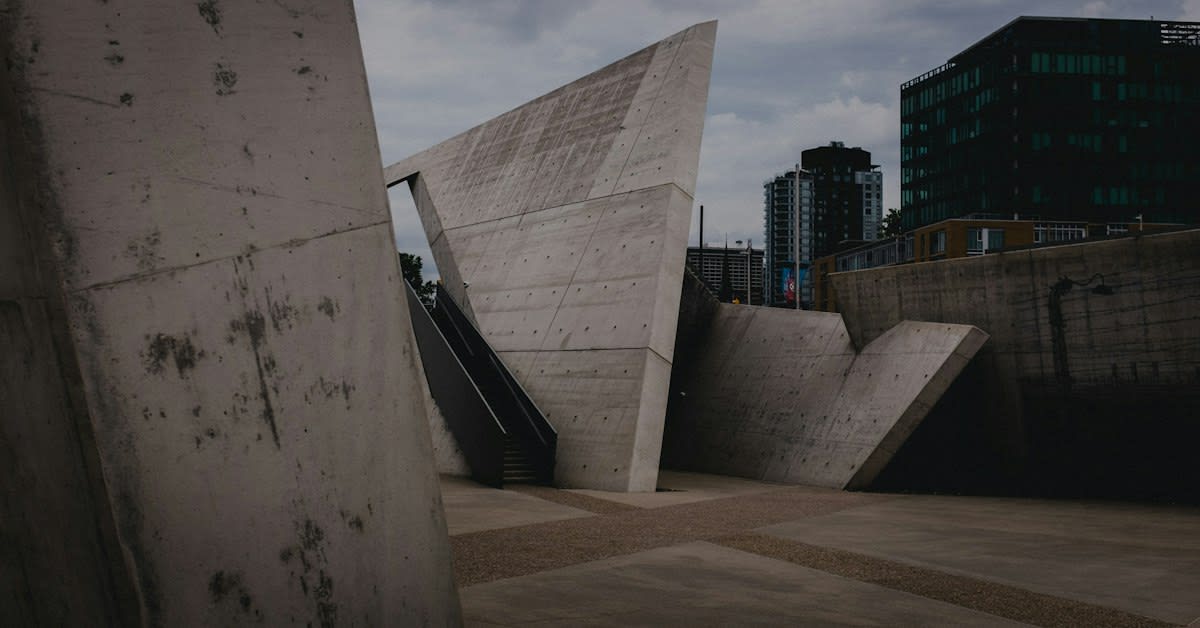
Luxury is not minimalism. We have been lied to. For a decade, the global default for high-end branding has been a sterile, white-walled vacuum of sans-serif fonts and endless negative space. It feels safe. It also feels invisible. Why do we assume that removing noise equals adding value? When you scrub every edge off a brand, you don't create elegance; you create a void. The real opportunity lies in the asymmetry of visual noise—the raw, the unpolished, and the intentionally jarring—and siphoning that energy into a signal of extreme confidence.
Prerequisites for the Noise-to-Value Shift
You cannot simply add 'noise' to a failing brand and call it art. That is a mechanical failure. To convert chaos into value, you need a specific tether to functional utility. You must first establish a baseline of trust before you can afford to break the rules of traditional aesthetics. If your product fails to deliver, a brutalist aesthetic looks like a mistake. If your product is world-class, that same aesthetic looks like a daring choice. You need a deep understanding of your terrain and the courage to let the brand look 'unfinished' to the untrained eye.
- A product with verified high utility (the 'trust anchor').
- A willingness to alienate the 'average' consumer to attract the 'obsessive' consumer.
- A design vocabulary that understands the difference between clutter (unintentional) and noise (intentional).
- Access to a designtech workflow capable of rapid iteration.
The Process: Siphoning Noise into Authority
Look at the approach taken by agencies like Brutalist in São Paulo, Brazil. They don't just design; they operate as a designtech entity (Source: Tavily, 2025). Their mission is to transform ideas through what they call 'cosmic creativity' (Source: Tavily, 2025). This isn't about adding random elements. It is about identifying the raw energy of an idea and refusing to dilute it for the sake of conventional beauty. By leaning into a 'brutalist' philosophy, they create a collision between function and raw form that forces the viewer to pay attention.
- Identify the Noise: Audit your brand for elements usually considered 'errors'—overcrowded layouts, raw textures, or clashing colors. These are your raw materials.
- Establish the Anchor: Introduce one element of absolute, unwavering precision. This could be a single bold, minimalist logo—similar to the Jonbet approach where authority is whispered through simplicity (Source: Setanta Sports, 2026)—to signal that the surrounding chaos is intentional.
- Siphon the Energy: Remove the 'decorative' noise and keep the 'structural' noise. If a visual element doesn't contribute to the feeling of raw power or authenticity, it is just clutter. Kill it.
- Create Asymmetry: Break the grid. High-end value is found in the tension between order and disorder. Shift your primary call-to-action slightly off-center. Use typography that feels oversized for the container.
- Iterate via Designtech: Use prototype tools to test the threshold of discomfort. Find the point where the noise stops being 'ugly' and starts being 'exclusive'. (Source: Tavily, 2025).
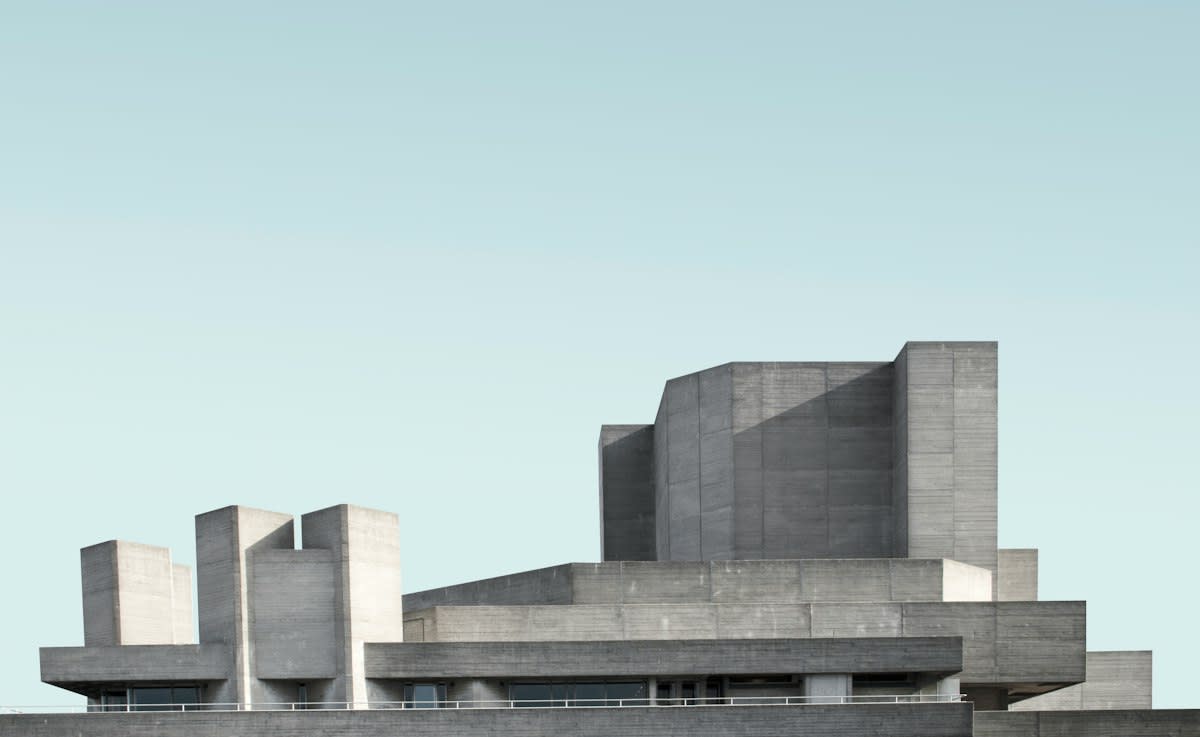
The friction here is intentional. Most clients scream for 'cleanliness.' As a practitioner, you will face the internal struggle of defending 'ugly' choices to stakeholders who equate white space with wealth. I have seen projects nearly collapse because a CEO viewed a raw, asymmetric layout as a 'bug' rather than a 'feature.' The secret is to frame the noise as a filter. Tell them: 'This isn't for everyone. It is for the people who are smart enough to see the value beneath the surface.' That shift in narrative turns a design dispute into a strategy for exclusivity.
"Na Brutalist, estamos redefinindo o design e a criatividade... nossa missão é transformar ideias em realidade com um toque de criatividade cósmica."— Brutalist Agency, São Paulo
Analyzing the Data of Disruption
Does this actually work in the wild? Consider the digital footprint of niche agencies embracing these styles. The São Paulo-based Brutalist agency shows a monthly visit count of 1,087, reflecting a 58% change in traffic (Source: Tavily, 2025). While the numbers are small, the bounce rate sits at 42% (Source: Tavily, 2025). In the world of high-end design, a 42% bounce rate for a highly unconventional site is a victory. It means over half the visitors are leaning into the experience rather than being repelled by the 'noise'. This is the lag between mainstream acceptance and early-adopter value.
| Metric | Corporate Minimalist (Default) | Brutalist Noise (High-End) |
|---|---|---|
| Visual Goal | Seamlessness | Tension |
| Consumer Perception | Professional/Safe | Authoritative/Daring |
| Market Position | Mass Market Luxury | Niche Avant-Garde |
| Risk Profile | Low (Invisible) | High (Polarizing) |
This approach is not limited to graphic design. The application of 'Brutalist' principles extends into the performing arts, as seen with the Brutalist production entity in Northern Europe (Source: Tavily, 2025). By stripping away the ornamental and focusing on the raw impact of the performance, they create a brand that feels monolithic. When a brand is viewed across different mediums—from a website in Brazil to a stage in Europe—the common thread is the refusal to apologize for the noise.
Common Pitfalls in Noise Conversion
The most frequent failure is the 'Randomness Trap.' Many designers mistake 'noise' for 'randomness.' If you just throw elements on a page without a governing logic, you haven't created a brand; you have created a mess. The noise must be tethered to a core truth. Another failure is the 'Lack of Contrast.' If everything is loud, nothing is loud. You need those moments of absolute silence—the 'whispered authority' found in bold minimalist logos—to make the noise feel like a choice rather than a lack of skill (Source: Setanta Sports, 2026).
- Mistaking 'ugly' for 'brutalist'. Brutalism is honest; ugliness is unintentional.
- Ignoring the user journey. Noise should not hinder the primary transaction.
- Failing to update the prototype. As the market catches up, yesterday's noise becomes today's cliché.
Fact-Check & Accuracy Note
The data regarding the Brutalist agency's traffic (1,087 monthly visits, 58% change) and the presence of Brutalist production in Northern Europe are sourced from Tavily (2025). There is an ongoing academic debate in design theory regarding whether 'Brutalism' in web design is a genuine aesthetic movement or a temporary reaction to the over-standardization of UI/UX frameworks like Material Design.
Practitioner's Warning
Editorial Note: This guide assumes the reader has a functioning product. Applying these aesthetics to a low-quality product will accelerate brand failure by highlighting the lack of substance.