Apple set an iPhone sales record even without a new standard iPhone
Source Entity
Emma Roth
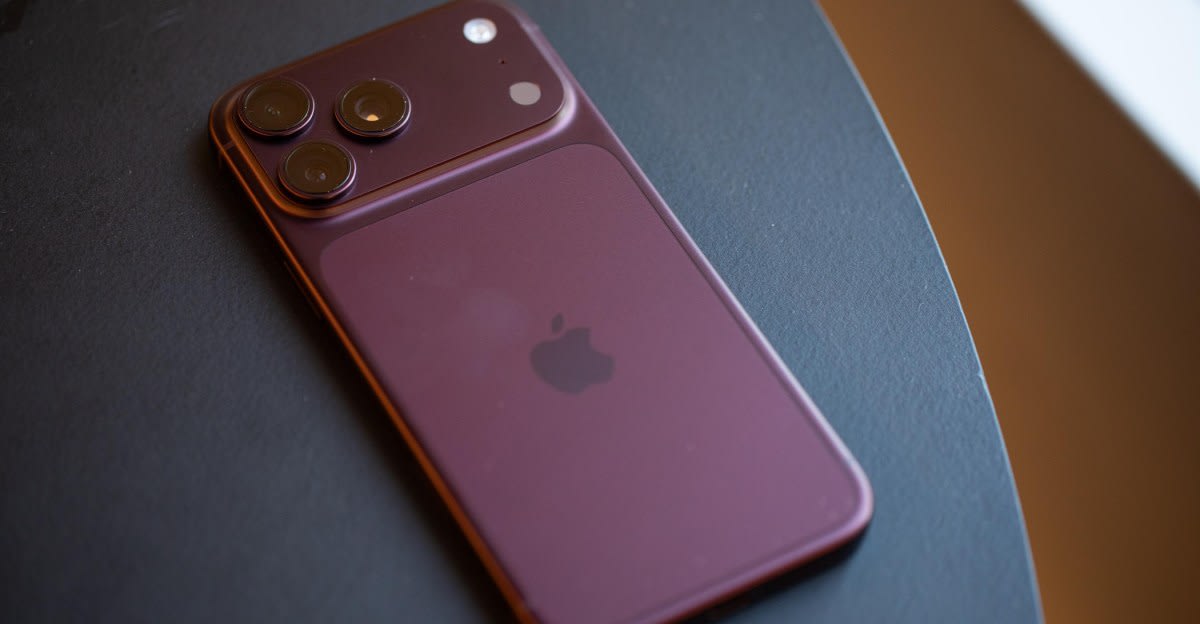
Apple achieved record-breaking fourth-quarter iPhone revenue of $57.6 billion, marking a 17% year-on-year increase. This growth was driven by strong demand in key markets like India and China, successfully defying global supply chain and pricing challenges.
Apple's Strategic Resilience: A Record-Breaking Quarter
Apple has demonstrated remarkable financial fortitude in its latest fiscal fourth-quarter earnings report, shattering expectations with $57.6 billion in iPhone revenue. This figure represents a staggering 17 percent increase compared to the same period last year. Most impressively, this growth occurred despite the absence of a standard iPhone model in the latest product refresh and a challenging global macroeconomic climate characterized by supply chain constraints and rising component costs.
Navigating Global Headwinds
The tech giant’s ability to generate such robust figures amid rising memory costs and foreign exchange headwinds highlights the inelastic nature of demand for its ecosystem. While many device-makers have struggled to maintain margins, Apple’s pricing power has allowed it to navigate inflationary pressures effectively. Even with limited initial stock availability for certain models—a byproduct of ongoing supply chain complexities—the consumer appetite for the iPhone remains largely undiminished.
The India Growth Engine
A pivotal component of this record-breaking performance is the company's aggressive expansion into the Indian market. Apple chief executive officer John Ternus confirmed that the quarter marked an all-time revenue record for the company in India. This growth is bolstered by strategic initiatives, including the integration of financial services like Apple Pay in collaboration with Axis Bank, which serves to deepen the brand's footprint in a rapidly digitizing economy.
Dominance in Greater China
Beyond India, Apple’s Greater China segment remains a cornerstone of its international success, reporting a 21 percent revenue growth. This performance is particularly noteworthy given the rising costs of production and the competitive landscape within the region. The iPhone continues to act as the primary catalyst for this expansion, proving that even as hardware costs rise, the brand equity of the iPhone is sufficient to drive sustained revenue growth across diverse cultural and economic environments.
Services and Long-term Implications
Beyond hardware, the broader momentum extending into Mac and Services segments suggests that Apple’s strategy of building a holistic digital ecosystem is paying dividends. By diversifying its revenue streams, Apple has insulated itself against the volatility of the smartphone hardware cycle. The total quarterly revenue of $114.5 billion, a 12 percent year-on-year increase, underscores that the company is successfully transitioning into a services-led powerhouse while maintaining its hardware dominance.
Future Outlook
Looking ahead, Apple's ability to maintain these growth trajectories will depend on its capacity to manage supply chain logistics and continued penetration into emerging markets. The successful integration of financial services in new territories and the continued reliance on the iPhone as a flagship revenue generator suggest a stable outlook. As the company navigates future quarters, its focus will likely remain on balancing premium pricing strategies with the necessity of keeping hardware accessible in high-growth, price-sensitive regions.