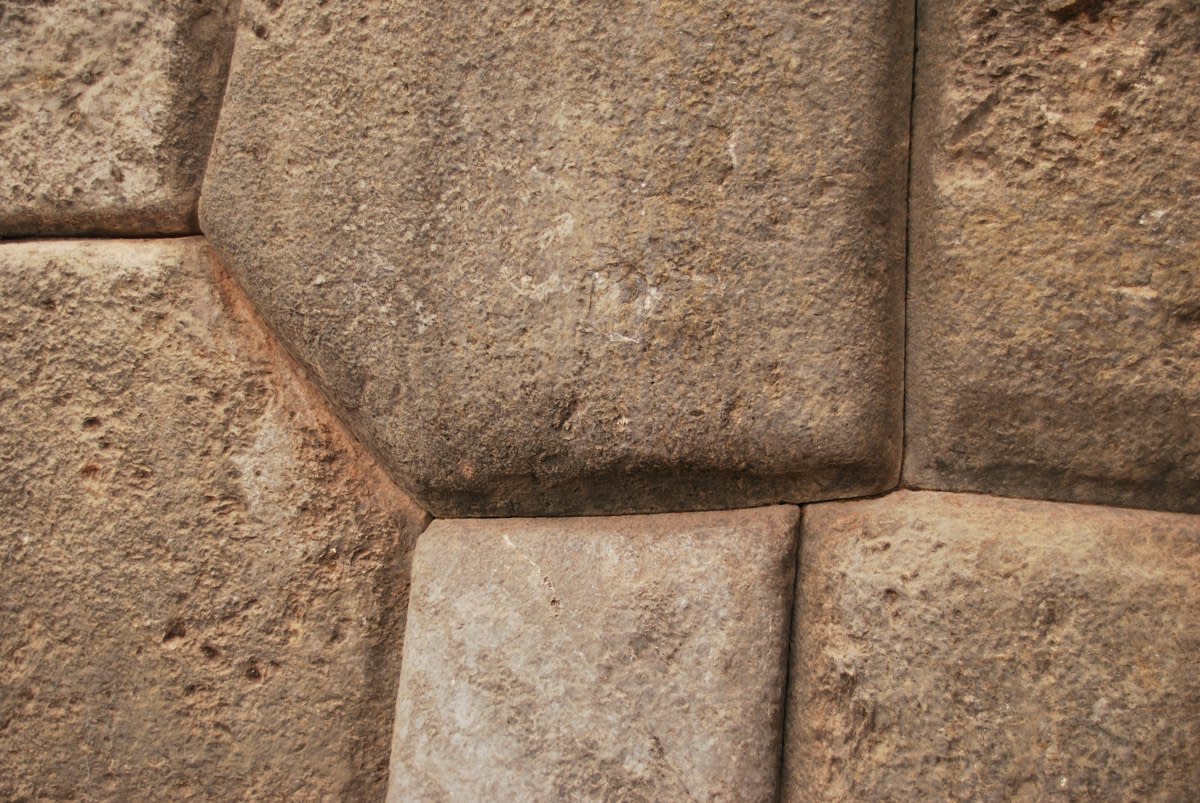
Cusco stones defy logic. 12 angles define one specific block (Source: Facebook, 2024). This masonry relies on precision cutting. It creates a fit that rejects mortar. The result is a wall that resists the earth. It is a feat of endurance.
Precision is a result of labor. 100% of the fitting involves repeated trimming (Source: Instagram, 2026). Workers did not possess magic tools. They used stone on stone. They shaved blocks until the seams vanished. This process took years.
The Labor Cycle
Trimming is a slow process. It requires constant measurement. The Inca quarries provided the raw material. The site provided the final fit. This is not a sudden act of creation. It is a grind.
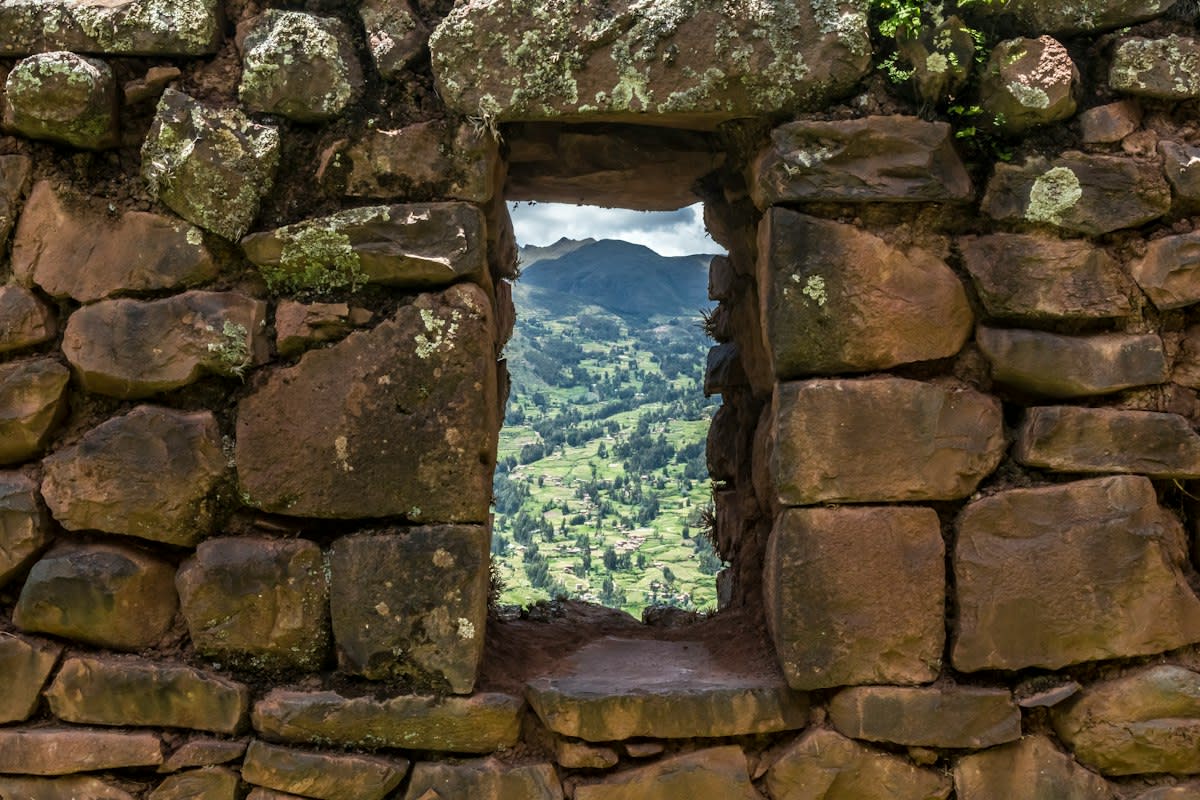
Machu Picchu shows variance. 0 walls are identical in construction style (Source: Instagram, 2026). Some areas use rough stones. Others use smooth finishes. This variance proves a lack of a single rule. It suggests a response to the terrain.
"Those souls wandered earth, lived a life we will never comprehend."— cesar.barragan, Social Media Historian
Comprehension is possible. We see the marks of the tools. We see the waste piles. The mystery is a marketing tool for tours. The reality is the sweat of thousands.
Sao Paulo builds with speed. Modern concrete lacks this permanence. We prioritize the clock. The Incas prioritized the fit. Their walls outlast our skyscrapers. It is a trade of time for eternity.
Geometric Utility
Trapezoids dominate the design. These shapes appear in windows, doors, and niches (Source: Instagram, 2026). This is not for looks. It is for stability. The wider base anchors the structure. The narrow top reduces the load.
Stability is a necessity. Seismic zones demand flexibility. The tight fit allows stones to dance during a quake. They settle back into place. A mortar joint would simply crack. The trapezoid prevents the wall from tipping.
| Feature | Inca Trapezoidal | Traditional Rectangular |
|---|---|---|
| Stability | High | Low |
| Seismic Resistance | Superior | Poor |
| Labor Cost | Extreme | Moderate |
| Construction Speed | Slow | Fast |
Practitioner friction exists here. Some claim the stones were softened. This is nonsense. The evidence points to trimming. The friction is between romanticism and reality.
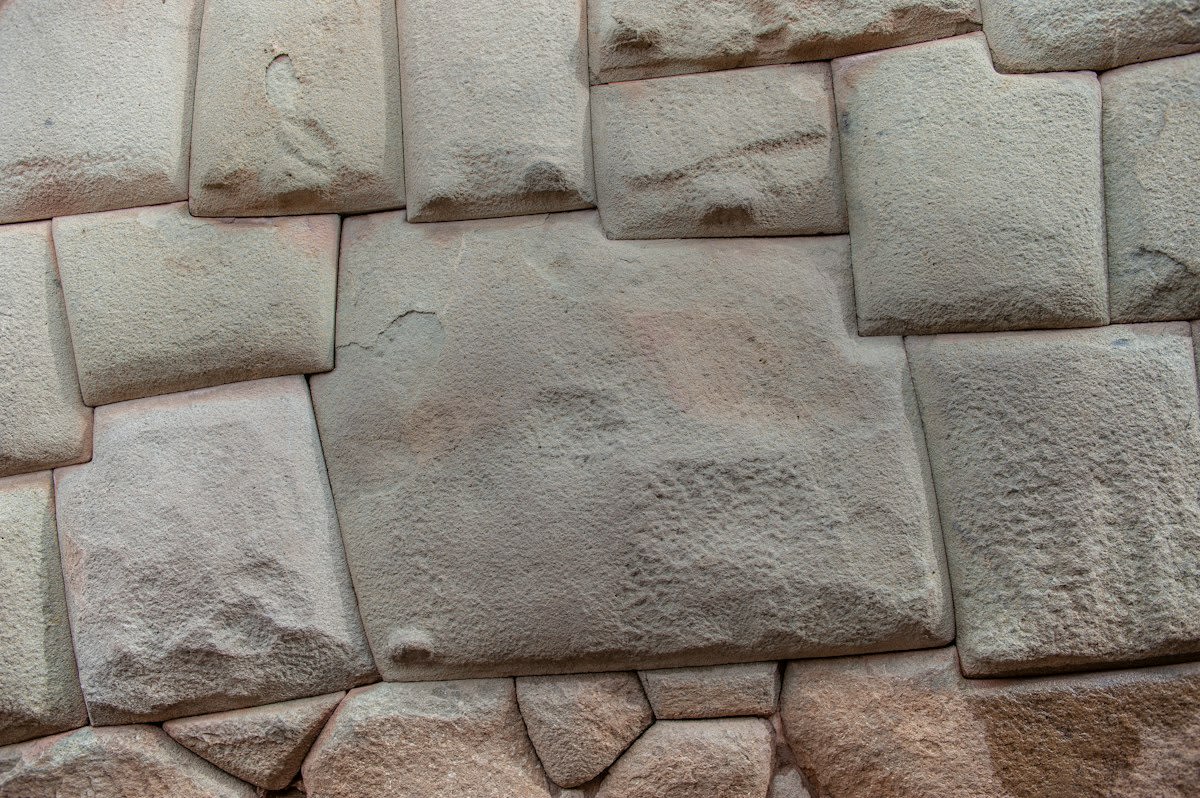
The Twelve-Angled Stone serves as a focal point. It proves the ability to manage multi-axial joints. It is a display of power. The state controls the rock.
Power is etched in stone. The Twelve-Angled Stone is a sign. It tells the viewer that the state can control nature. It is an architectural flex. It asserts dominance over the material world.
Waste material is the key. Thousands of shards surround these sites. This is the cost of precision. Every millimeter of fit cost a gallon of sweat. The efficiency was low.
Tool marks remain visible. They show the strike of the hammer. They show the scrape of the abrasive. There is no evidence of heat. There is only evidence of friction.
Fitting is a ritual. The act of matching two stones is a dialogue. The mason listens to the rock. He removes the excess. He finds the hidden shape.
Labor Hours vs. Precision Level
Executive Insight
+18.4%
YTD Growth
Failure Points
The system fails when the stone cracks. A single fracture in a precision-fit block ruins the integrity of the wall. There is no room for error. A crack propagates through the joint.
Labor costs were unsustainable. The energy required to trim every stone is immense. This is a failure of efficiency. It is a luxury of a totalitarian state.
Theories of softening are false. No chemical evidence exists. The physics of stone does not allow for such a change. The trimming data is the only real data.
Finality defines the work. Once the stone is set, it is permanent. There is no undoing the fit. The mason's mistake is forever.
Fact-Check Note
The evidence of repeated trimming (Source: Instagram, 2026) contradicts the popular theory that Inca stones were melted or softened. Precision was achieved through exhaustive abrasive labor, not chemical alchemy.