$30. A Michigan estate sale painting hit $1.35 million (Source: CNN, 2026). This gap represents the delta between a casual glance and a tactical search. Finding hidden art is not about luck but about spatial awareness and motif recognition. Most hunters miss the mark because they stay in the center of the room. The real value hides in the grit-toothed margins of a property.
Prerequisites for the Field
Before entering a rust-pitted garage or an ash-streaked basement, a hunter needs specific tools. You are not looking for curated displays but for neglected storage. Success requires a mindset of exclusion, where you ignore the obvious to find the obscured. A record album collector or mid-century furniture hunter often possesses the correct eye for this because they are already trained to see value in the discarded (Source: CNN, 2026).
- High-intensity LED flashlight for scanning deep shadows.
- Soft-bristle brush for removing dust without scoring the paint.
- Portable magnifying glass for signature and date verification.
- Reference database of recurring motifs, such as shells or surrealist iconography.
The Tactical Search Sequence
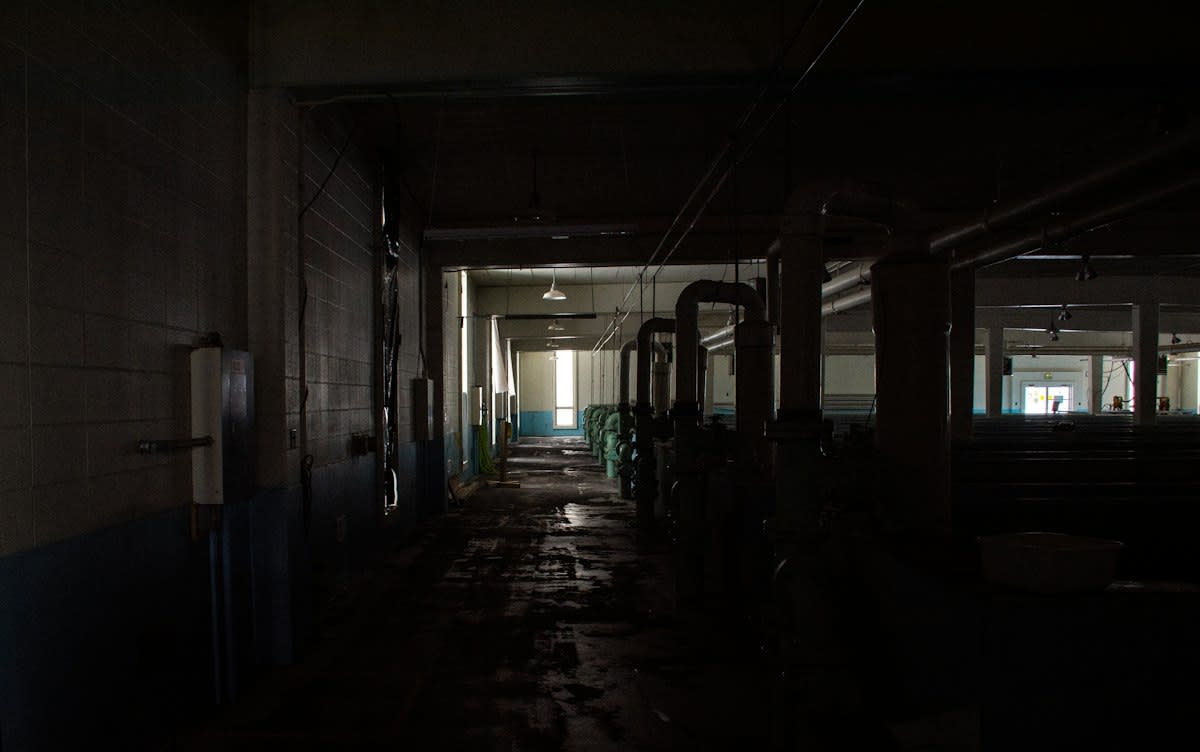
Most buyers follow the path of least resistance. They stick to the main rooms and the clearly labeled tables. To find a Gertrude Abercrombie, you must move toward the periphery. The specific location of a $1.35 million find was a hallway leading to a garage, tucked in a dark corner (Source: CNN, 2026). This area is typically overlooked by every other buyer on the day of the sale.
- Map the Peripheral Zones: Identify hallways, closets, and the areas immediately adjacent to garage entrances.
- Execute the Low-Light Scan: Use a flashlight to check behind furniture and inside dark corners where items are leaned against walls.
- Filter by Dimension: Look for smaller works, such as 8-by-11-inch pieces, which are easily obscured by larger, less valuable frames (Source: CNN, 2026).
- Analyze the Motif: Look for recurring themes. For surrealists like Abercrombie, a collection of seashells is a signature indicator (Source: CNN, 2026).
- Verify the Date: Check for mid-century markers; for example, a work completed in 1951 may have been priced as low as $50 to $150 during its original exhibition period (Source: CNN, 2026).
From Scavenging to Valuation
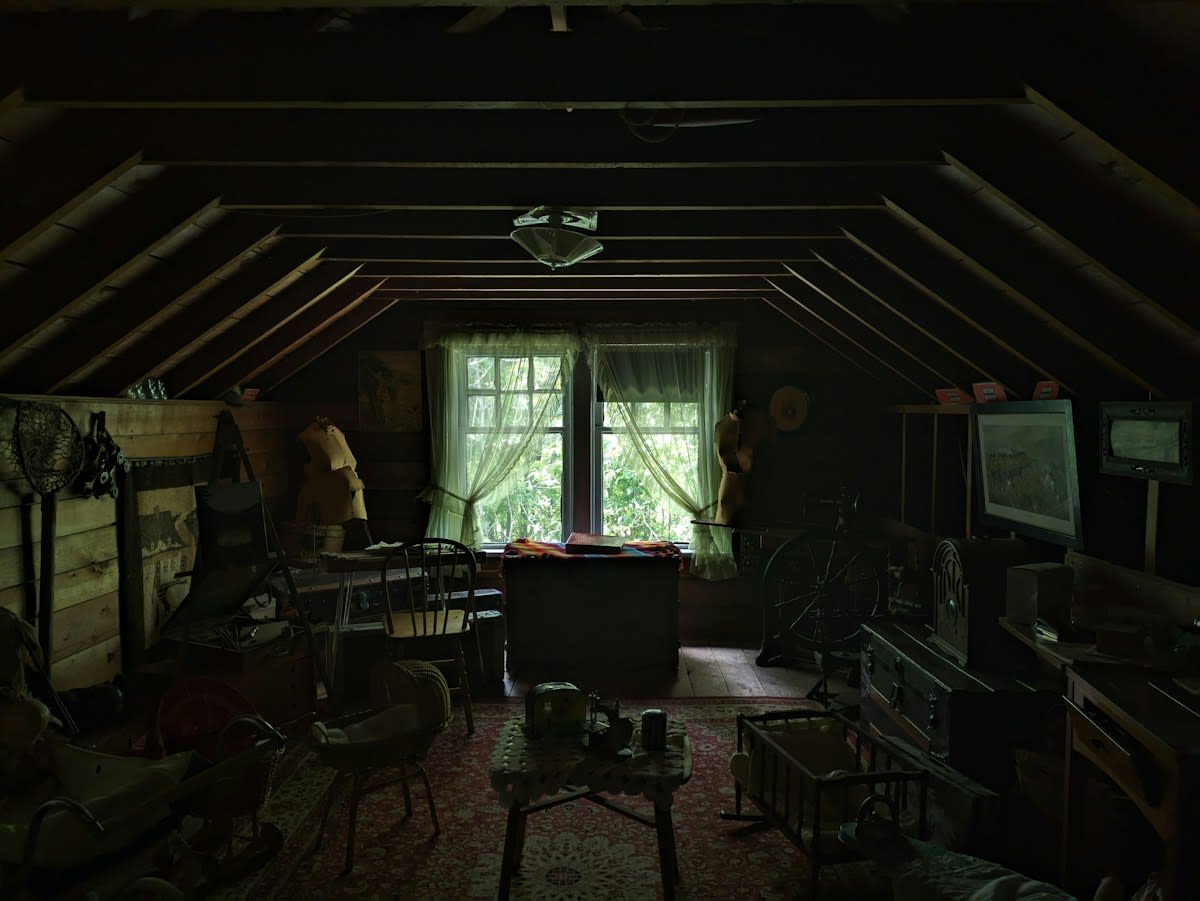
Once an object is recovered from a grease-slicked corner, the validation process begins. A piece bought for $30 does not instantly become a million-dollar asset. It requires confirmation from an auction house or a certified appraiser. In the case of the Abercrombie piece, Freeman's auction house provided the confirmation that transformed a hallway find into a high-value asset (Source: CNN, 2026).
"The painting had been discovered tucked in a dark corner of a hallway leading to the garage — overlooked by every other buyer that day."— Freeman's Auction House, via CNN
This transition from the dust of a Michigan home to the lights of an auction house is where the most friction occurs. Practitioners in this field often debate the ethics of the 'find' versus the 'market.' There is a gritty reality to this work: you may spend ten hours in a carbon-scored basement only to find a few ruined prints. The psychological toll is high, but the reward for finding a specific motif, like the ten seashells of Abercrombie, is immense (Source: CNN, 2026).
| Metric | Estate Acquisition | Auction Result |
|---|---|---|
| Price | $30 | $1,350,000 |
| Location | Michigan Hallway | Freeman's Auction |
| Visibility | Dark Corner | Global Market |
The contrast between scavenging and exhibiting is stark. While some art is found in the dirt, other art is curated in stone-vaulted rooms, such as the Mika Contemporary Art Gallery in Jaffa (Source: Jerusalem Post, 2026). Whether it is Sarah Svetlana's works in Jaffa or Abercrombie's in Michigan, the core of art discovery is the ability to recognize a specific, urgent language of belonging or memory (Source: Jerusalem Post, 2026).

Failure Points
Most hunters fail because they lack the patience for the periphery. The primary failure point is the 'Center-Room Bias,' where buyers assume the most valuable items are placed where they are most visible. Another failure is the 'Motif Blindness,' where a hunter sees a painting of seashells but fails to connect it to a specific artist's recurring theme, such as the work of the Bohemian Queen, Gertrude Abercrombie (Source: CNN, 2026).
- Failure to check the 'hallway-to-garage' transition zones.
- Ignoring small-format works (under 12 inches) due to perceived insignificance.
- Lack of historical pricing knowledge, such as the $50-$150 original exhibition price of Abercrombie's work (Source: CNN, 2026).
- Neglecting the provenance of the home's previous residents.
Editorial Note
This guide is based on documented estate recovery data from 2026. Results in the field vary based on the specific region and the quality of the estate being processed. Always verify authenticity via a recognized auction house like Freeman's before assuming value.
Fact-Check & Accuracy Note
Fact-Check: The Abercrombie painting was an 8-by-11-inch oil still-life of ten seashells completed in 1951, bought for $30 and sold for $1.35M (Source: CNN, 2026). Sarah Svetlana's exhibition took place at Mika Contemporary Art Gallery in Jaffa (Source: Jerusalem Post, 2026).