‘We used to mock her car’: Man shares how his former manager’s old Santro taught him a lesson about wealth
Source Entity
Latest News: Todays Latest News Headlines from India & World | Hindustan Times | Hindustan Times
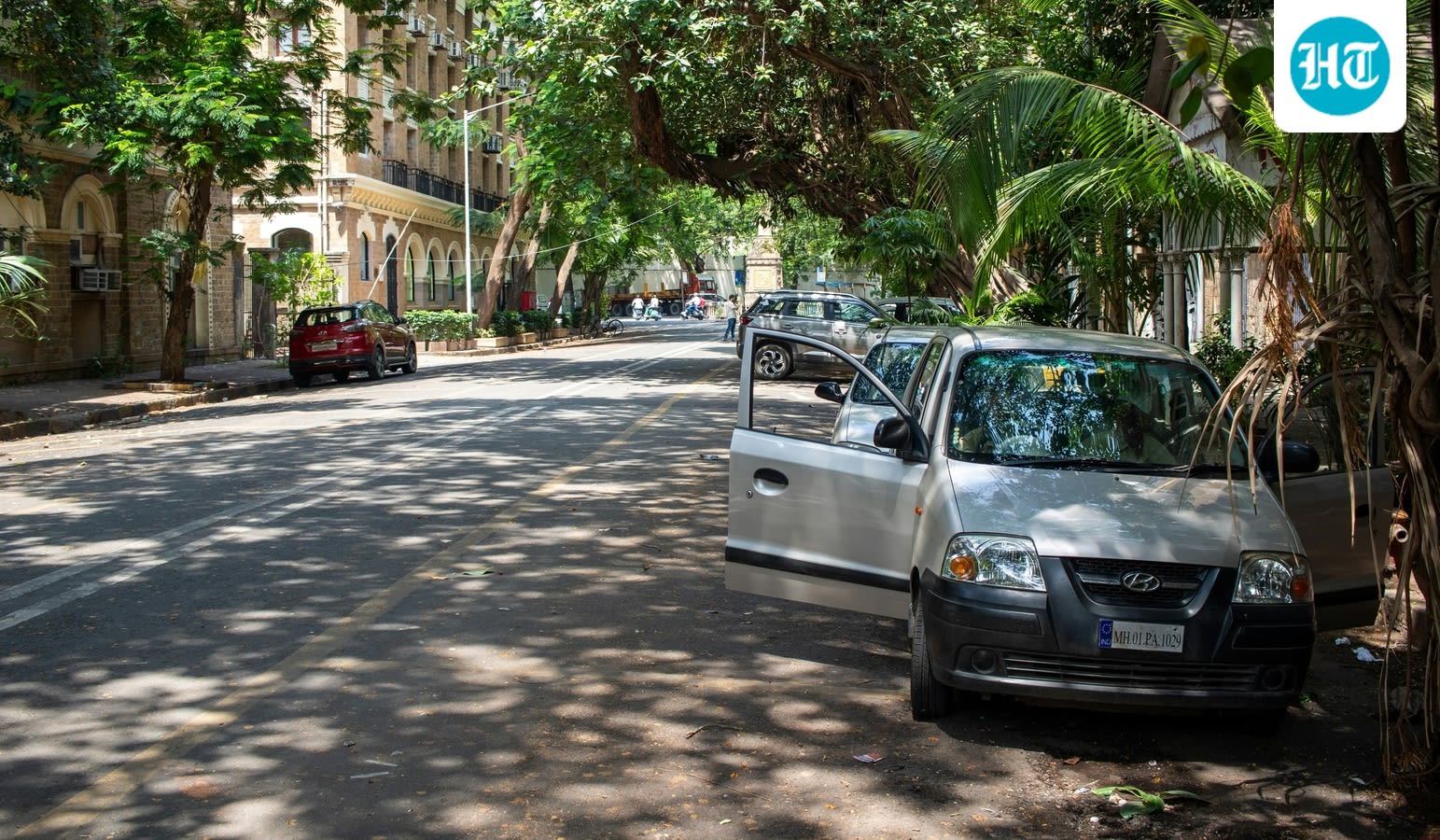
A viral story about a former manager’s modest lifestyle choices has sparked a broader conversation on financial discipline. The account highlights how prioritizing long-term wealth over material status can enable early retirement.
The Hidden Value of Financial Minimalism
A recent viral anecdote shared by Abhishek Singh has ignited a widespread discourse on the intersection of consumer behavior and personal wealth management. The story centers on his former manager, who consistently drove a decade-old Hyundai Santro despite her professional standing. At the time, Singh and his younger colleagues perceived the vehicle’s mechanical quirks—such as its suspension issues and distinct whizzing noise—as a sign of financial stagnation, rather than a deliberate lifestyle choice.
Challenging the External Metrics of Wealth
In contemporary society, outward displays of affluence, such as luxury vehicles or the latest tech, are often incorrectly used as proxies for financial success. This narrative serves as a poignant reminder that status symbols are frequently misaligned with actual net worth. By choosing to retain a functional, albeit aging, vehicle, the manager in this account demonstrated a rejection of 'lifestyle creep,' a common trap where individuals increase their spending in proportion to their rising income.
The Mechanics of Early Retirement
The most significant revelation in Singh’s account is the manager’s decision to retire at the age of 46. This milestone is rarely accidental; it is the mathematical result of aggressive saving and compounding interest. By minimizing depreciating assets like modern automobiles, the manager likely redirected those funds into high-yield investments. Her ability to retire nearly two decades earlier than the average professional highlights the power of prioritizing long-term financial freedom over short-term social signaling.
Psychological Shifts in Professional Perception
Reflecting on his perspective as a 22-year-old, Singh admits to the arrogance of youth and the social pressure to conform to superficial standards. This realization is a common rite of passage for many professionals as they mature. The transition from mocking a colleague's lack of a 'status symbol' to admiring their financial independence reflects a broader maturation in how society views success—shifting from 'looking rich' to 'being wealthy.'
Broader Economic Implications
This story underscores the importance of financial literacy and the value of delayed gratification. In an era where digital content often encourages impulsive consumption, the manager’s story acts as a counter-narrative. It emphasizes that real wealth is often silent and invisible, built through years of disciplined choices that go unnoticed by peers who are focused on the wrong metrics of prosperity.
Conclusion: Redefining Success
Ultimately, the lesson shared by Abhishek Singh is not about the car itself, but about the underlying values of the person driving it. The grey Santro was not a symbol of poverty, but a tool that facilitated the manager's ultimate goal: autonomy. As more individuals share these stories, there is a growing trend toward valuing financial security over the fleeting validation provided by luxury consumer goods, potentially reshaping how future generations approach their own fiscal planning.
Verification Required?