Reimagining India-Africa economic ties
Source Entity
Latest News: Todays Latest News Headlines from India & World | Hindustan Times | Hindustan Times
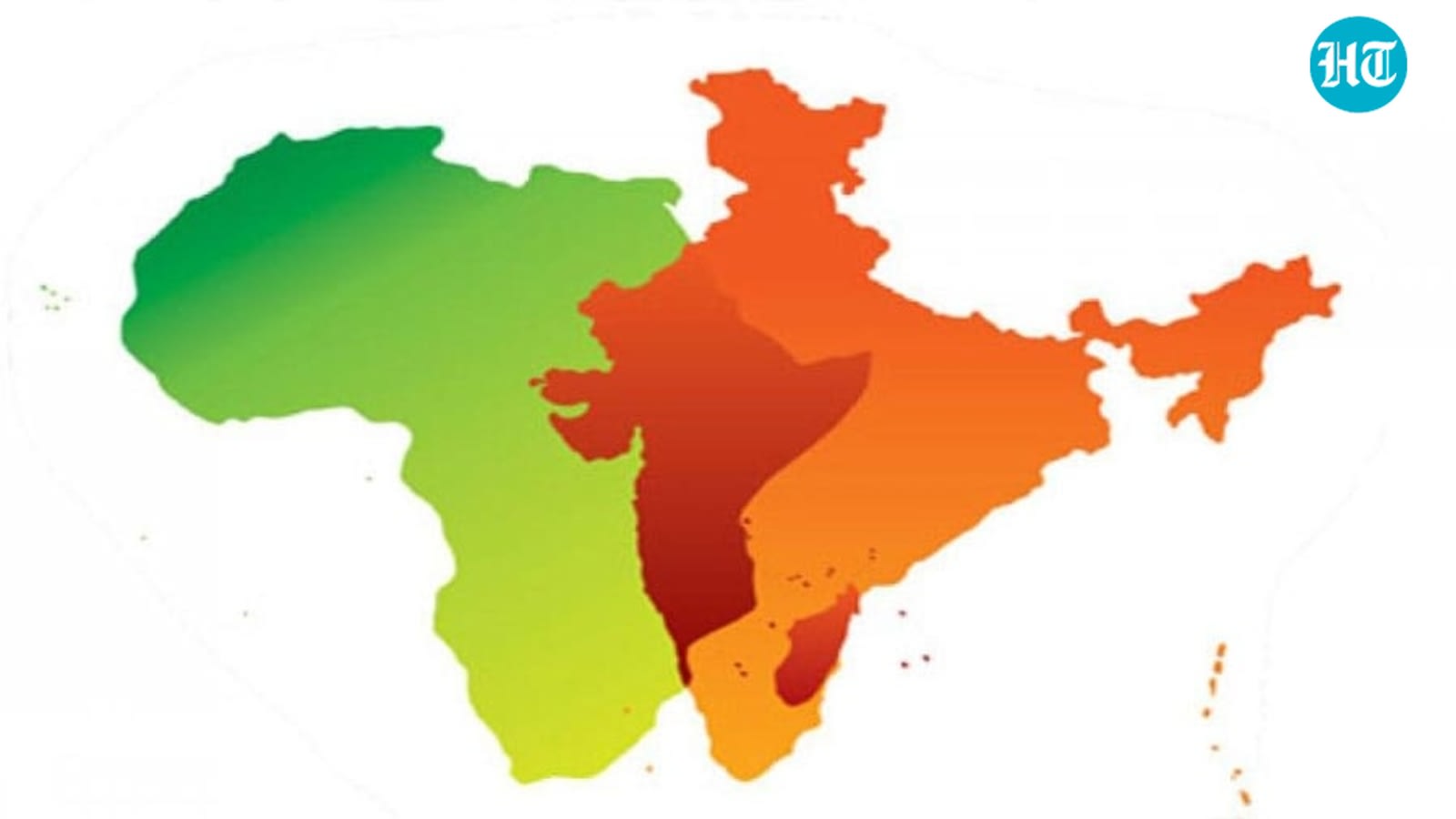
India and Africa are evolving their economic partnership from simple trade to collaborative infrastructure and industrial development. A landmark $450 million deal between Engineers India Ltd and Aliko Dangote exemplifies this new era of joint industrial ventures.
The Evolution of India-Africa Economic Engagement
The economic relationship between India and Africa is undergoing a profound structural transformation, moving beyond the traditional paradigms of simple commodity exchange and development assistance. As articulated by Samir Bhattacharya of the Observer Research Foundation, this shift marks a transition toward a more integrated, symbiotic model of cooperation. Historically, the engagement was characterized by Indian firms exporting finished goods or providing aid; however, the current trajectory emphasizes joint industrialization and shared economic stakes.
Building Regional Value Chains
At the heart of this new phase is the creation of regional value chains. Rather than merely acting as a vendor, India is now positioning itself as a strategic partner in Africa's long-term economic transformation. By collaborating on the construction of factories, energy systems, and essential infrastructure, Indian entities are helping to build the foundational capacity required for Africa to scale its own manufacturing and industrial output. This approach acknowledges that sustainable growth in Africa is intrinsically linked to India’s own economic success.
The Dangote-EIL Partnership: A Case Study
A prime example of this collaborative shift is the recent $450 million contract between Africa’s richest businessman, Aliko Dangote, and the Indian government-owned consultancy, Engineers India Ltd (EIL). By tasking EIL with overseeing the construction of critical industrial projects, the partnership demonstrates a reliance on Indian technical expertise to execute large-scale, complex engineering requirements in Africa. This move signals a move away from external dependency toward a model where African capital and Indian technical prowess combine to drive industrial progress.
Strategic Implications for Growth
This partnership model has significant implications for both regions. For Africa, it provides access to specialized engineering and project management skills that are essential for industrial scaling without the pitfalls of predatory lending or unsustainable development models. For India, it offers a pathway to cement its role as a preferred partner for the African continent, fostering deeper institutional ties and securing a stable market for its engineering services and technological exports.
Future Trends and Outlook
Looking ahead, we can expect to see an increase in similar joint ventures that prioritize infrastructure development over simple export-import models. As India continues its own growth story, the demand for reliable, like-minded partners in African markets will likely expand, potentially leading to more bilateral agreements in the energy and manufacturing sectors. This trend suggests that the future of India-Africa relations will be defined by co-creation and shared prosperity, fundamentally altering the competitive landscape for international development in the region.
Verification Required?