The IPO question: Real estate developers and experts at CREDAI-NATCON 2026 debate on the right time to go public?
Source Entity
Latest News: Todays Latest News Headlines from India & World | Hindustan Times | Hindustan Times
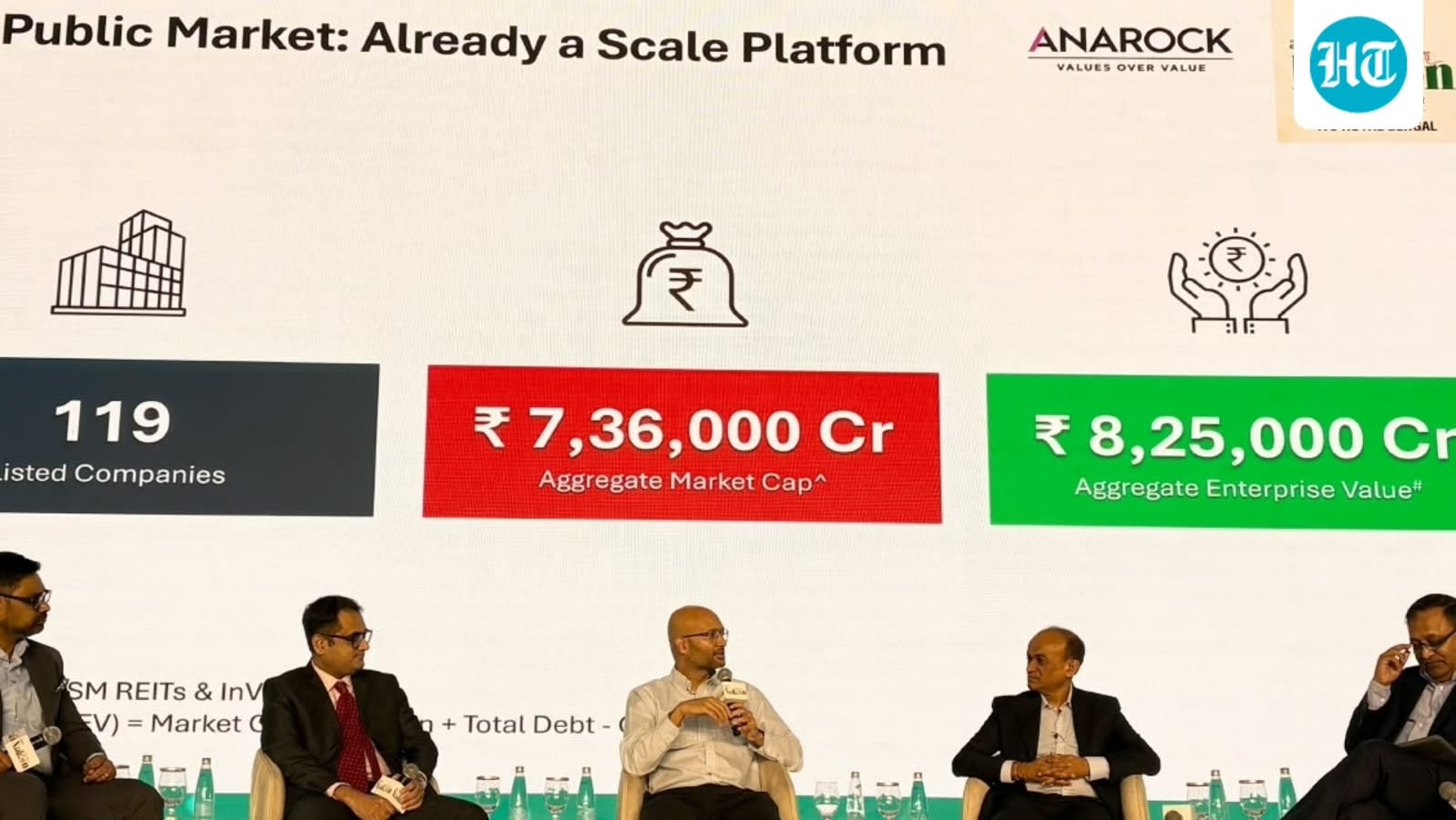
At CREDAI-NATCON 2026, industry leaders debated the strategic shift of real estate IPOs from mere fundraising to operational transformation. Meanwhile, President-elect G Ram Reddy advocated for formal government recognition of the sector's massive economic and employment impact.
The Strategic Evolution of Real Estate IPOs
The real estate sector in India is currently at a critical inflection point, as evidenced by the intense discourse at CREDAI-NATCON 2026 in Kolkata. Traditionally, Initial Public Offerings (IPOs) were viewed primarily as mechanisms for capital infusion. However, the current consensus among developers and industry experts suggests a paradigm shift. An IPO is increasingly perceived as a strategic tool for institutionalizing operations, enhancing corporate governance, and attracting top-tier professional talent. This transition reflects a maturing market where credibility and transparency are becoming as vital as liquidity.
Market Conditions vs. Operational Readiness
A central tension highlighted during the convention is the debate between timing an IPO based on favorable market sentiment versus internal preparedness. While India’s primary market has exhibited robust activity, industry leaders are cautioning that market volatility should not be the sole driver of public listing decisions. The discipline required for a listed entity—ranging from rigorous financial reporting to heightened regulatory scrutiny—demands a level of operational maturity that many private firms are currently striving to achieve.
The Economic Weight of Real Estate
Beyond the boardroom discussions on public listings, G Ram Reddy, the CREDAI president-elect, underscored the necessity of formal government recognition for the real estate sector. By characterizing the industry as a pillar of India’s economic growth and employment, Reddy highlighted the sector’s expansive multiplier effect. The industry does not operate in a vacuum; it acts as an engine for numerous allied sectors, including steel, cement, and architecture, effectively weaving itself into the broader macroeconomic fabric of the nation.
Growth Projections and Future Trends
Data released at the convention provides a compelling argument for this recognition. With the Indian real estate market projected to scale from approximately $600 billion in 2025 to a staggering $1 trillion, the sheer scale of the industry is undeniable. This growth trajectory suggests that the sector is shifting from an unorganized, fragmented landscape toward a more consolidated and formal structure. As companies prepare for public listings, the pressure to maintain this growth while adhering to new regulatory standards will likely accelerate the professionalization of the entire industry.
Conclusion: A New Era for Indian Real Estate
The discussions at CREDAI-NATCON 2026 point toward a future where the real estate sector functions with the transparency of the banking or IT sectors. Whether through the pursuit of IPOs or the push for greater policy recognition, the industry is moving toward a model defined by accountability and long-term sustainability. As these developers balance the allure of public capital with the demands of operational discipline, the Indian real estate market is poised to solidify its role as a cornerstone of the national economy.
Verification Required?