Saudi Aramco chief says replenishing global oil stockpiles could take two years
Source Entity
US Top News and Analysis
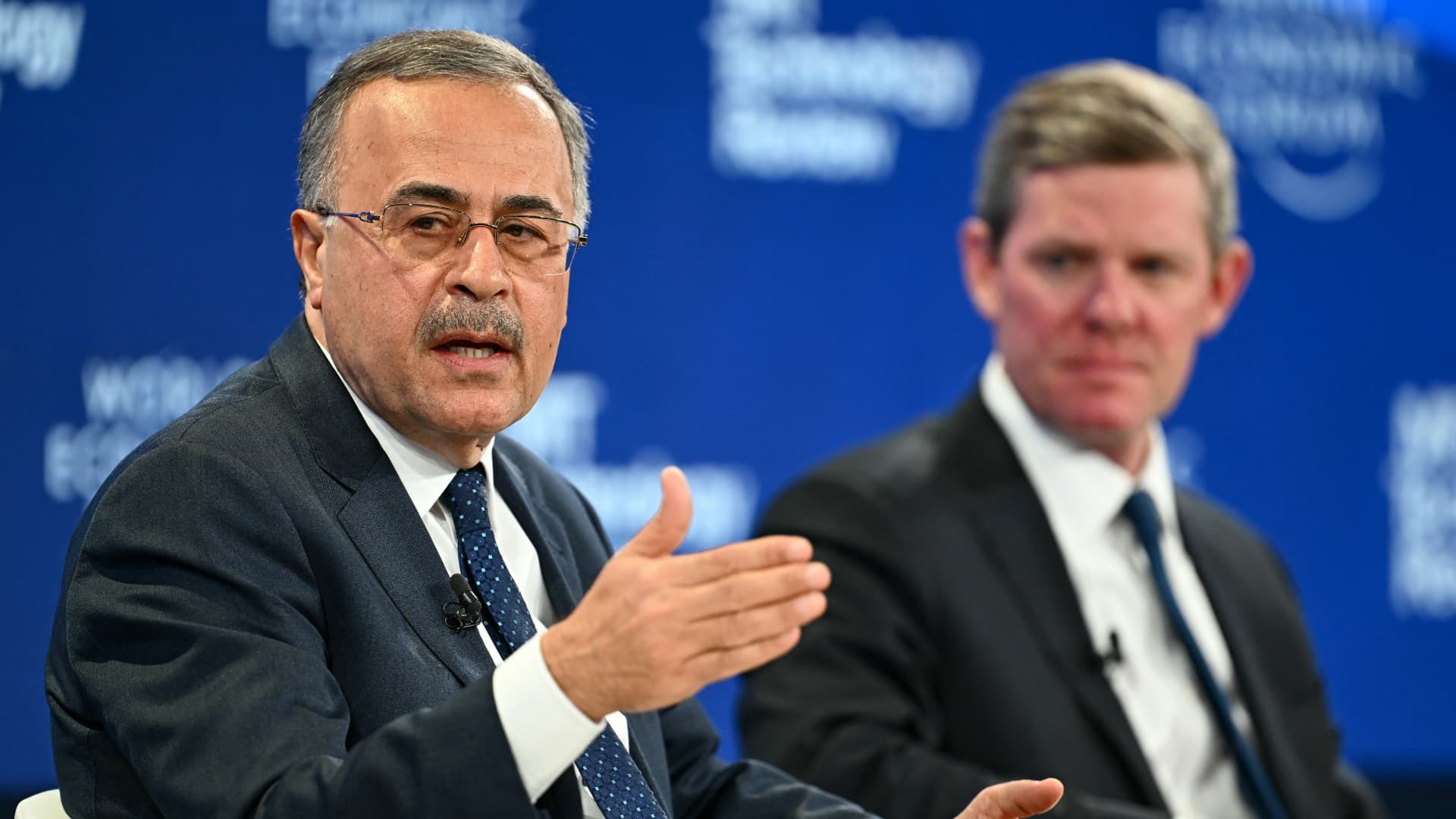
Saudi Aramco CEO Amin Nasser warns that global oil inventories may take two years to recover. The ongoing U.S.-Iran conflict continues to disrupt shipping through the critical Strait of Hormuz.
The Global Energy Crisis: A Two-Year Recovery Horizon
Saudi Aramco CEO Amin Nasser has issued a sobering assessment regarding the state of global energy reserves. During the Energy Intelligence conference in London, Nasser indicated that the process of replenishing global oil stockpiles could extend as long as two years. This projection underscores the precarious nature of current energy security, as the international community grapples with the fallout of persistent geopolitical instability.
The Geopolitical Trigger: U.S.-Iran Conflict
At the heart of this supply crisis is the ongoing conflict between the United States and Iran. This regional tension has transcended political rhetoric, manifesting as a direct threat to the flow of global commodities. As the war drags on, the resulting "squeeze" on energy supplies has created a volatile market environment that is increasingly susceptible to further disruption, forcing major energy players like Aramco to adjust their long-term supply forecasts downward.
The Strategic Vulnerability of the Strait of Hormuz
Central to the current supply chain failure is the disruption of the Strait of Hormuz. This narrow waterway is arguably the most critical maritime chokepoint in the world, responsible for the transit of approximately 20% of global oil and liquefied natural gas (LNG) supplies. The current inability to guarantee safe passage through this corridor has effectively throttled the energy supply chain, creating a bottleneck that prevents the stabilization of global inventory levels.
Market Confidence and Economic Impact
Nasser emphasized that the supply pressure will likely intensify until the Strait of Hormuz is fully reopened and market confidence is restored. The psychological component of the energy market cannot be overstated; uncertainty regarding the availability of future supplies drives volatility, which in turn discourages long-term investment and complicates strategic planning for nations dependent on imported energy. Without a return to normalcy in the region, the "pressure at both ends of the barrel"—referring to both supply constraints and rising demand—will continue to exert upward pressure on prices.
Future Trends and Resilience
Looking ahead, the energy sector faces a prolonged period of adjustment. If the conflict remains unresolved, the global economy must brace for continued fluctuations in energy costs and potential supply shortages. The two-year timeline provided by Aramco serves as a critical benchmark for policymakers and industry leaders, highlighting that even if the conflict were to conclude immediately, the physical logistics of rebuilding global stockpiles to pre-war levels is a slow, methodical process that cannot be rushed.
Conclusion
The situation described by Saudi Aramco serves as a stark reminder of the global economy's reliance on stable maritime trade routes. As the world navigates this period of instability, the focus remains firmly on the reopening of the Strait of Hormuz as the primary catalyst for market recovery. Until then, the energy sector must contend with the reality of depleted inventories and the ongoing impacts of the U.S.-Iran war on the global energy landscape.