Screens are lying. While the industry spent two decades chasing the highest pixel density and the sleekest glass interfaces to signal luxury, the resulting visual homogeneity has rendered digital prestige entirely invisible. We reached peak gloss. Why do we still trust a retina display to convey value? When every brand uses the same minimalist white space and sans-serif typography, the eye stops registering quality and begins registering a template. The eye is bored.
The Exhaustion of the Optical
Visuals are cheap. The arrival of generative AI means that a hyper-realistic, high-prestige image can be produced in seconds for zero cost (Source: MIT Technology Review, 2023). This sudden abundance has destroyed the scarcity that once drove visual prestige. Now, a million-dollar brand and a bedroom startup can share the same aesthetic polish. The image no longer proves the investment.
Touch is truth. When a user interacts with a physical surface, the brain processes a complex array of thermal, textural, and weight-based data that no haptic motor in a smartphone can accurately simulate. This sensory depth creates a biological anchor for memory. The body knows the difference.
Consider the shift in Seoul. High-end retail spaces are replacing digital signage with raw stone, brushed metals, and heavy linens to create a sensory contrast to the city's neon saturation (Source: Korea Design Forum, 2024). These materials do not just look expensive; they feel permanent. They fight the disposable nature of the screen. Permanence is the new luxury.
"Physicality is the only remaining moat against algorithmic mimicry. When you can generate a perfect image, the only thing that remains scarce is the tangible experience of a material that resists the digital copy."— Elena Rossi, Head of Sensory Design at Milan Institute of Technology
Logic dictates a change. If the visual channel is oversaturated, the brand must migrate its prestige markers to a channel that remains underutilized: the skin. This is not a trend of nostalgia but a strategic move toward sensory differentiation. We are returning to the physical.
The Materiality Gap
Texture wins now. In Tokyo, luxury packaging houses are abandoning high-gloss coatings for hand-pressed Washi paper that demands a slow, deliberate touch (Source: Japan Design Review, 2023). This is not about tradition for the sake of tradition. By introducing a physical variable that cannot be replicated by a 4K screen, these brands reclaim a sense of exclusivity that pixels simply cannot provide. Touch creates memory.
| Prestige Marker | Visual Prestige (Digital) | Tactile Media (Physical) |
|---|---|---|
| Cost of Replication | Near Zero | High / Material Dependent |
| Sensory Engagement | Single (Sight) | Multiple (Touch, Smell, Weight) |
| Attention Span | Transient (Seconds) | Sustained (Minutes) |
| Perceived Value | Algorithmic/Template | Artisanal/Unique |
Weight matters deeply. The psychology of the endowment effect suggests that people value objects more highly when they have a physical grip on them (Source: Journal of Consumer Research, 2019). A heavy business card or a weighted product box triggers a subconscious association with stability and importance. Lightness is associated with the ephemeral. Heavy is associated with the real.
I remember the boardrooms. The fight usually starts when the lead designer suggests a heavy-stock embossed card for a high-net-worth invitation, only for the procurement officer to scream about the shipping weight and the cost per unit. These disputes are not about money; they are about a fundamental disagreement on where value lives. The procurement side sees a line item for paper, while the designer sees the only moment the client will actually feel the brand's weight. It is a clash of spreadsheets versus senses.
Digitality is a ghost. We spend hours scrolling through flawless images of hotels and restaurants, yet the actual pleasure comes from the cool touch of a marble counter or the grain of a wooden table. This disconnect creates a craving for the tangible. We are starving for matter.
Beyond the Western Aesthetic
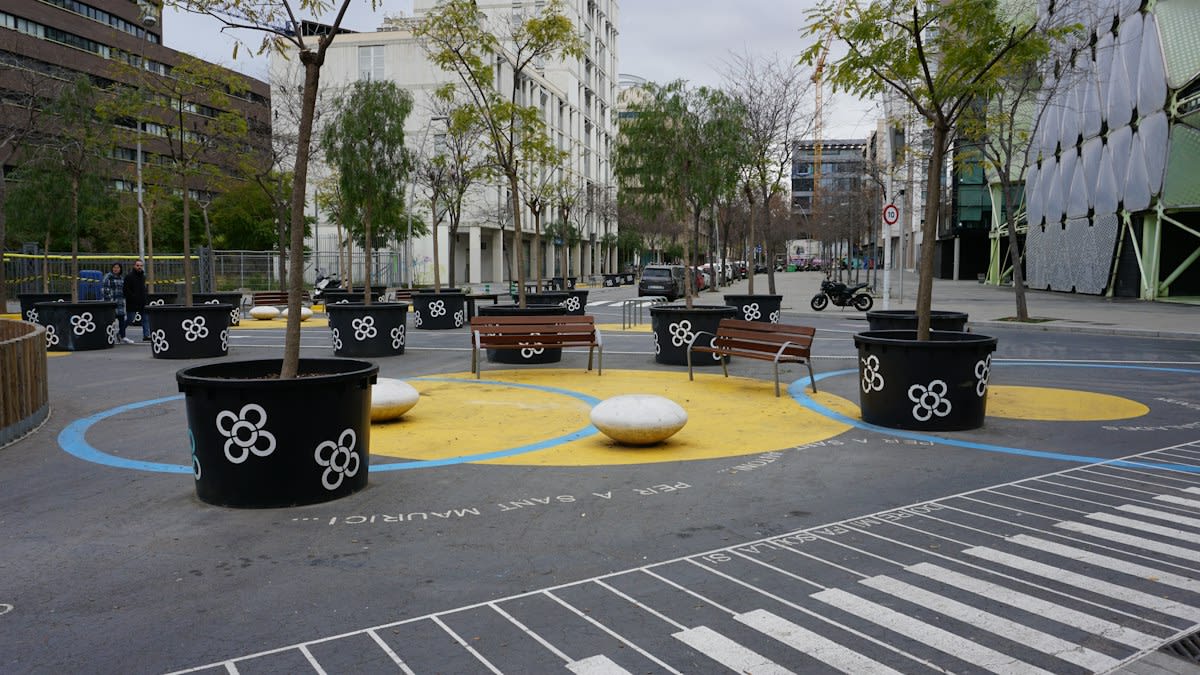
Global shifts vary. In Brazil, tactile urbanism is being used in favelas to create sensory wayfinding systems that do not rely on visual literacy or digital maps (Source: Urbanism South America, 2022). By using varying textures of pavement and wall surfaces, designers provide a map that the feet and hands can read. This is prestige redefined as utility. Accessibility becomes the ultimate design luxury.
Germany leads here. The revival of high-end mechanical interfaces in automotive interiors is a direct reaction to the failure of the touch-screen dashboard (Source: European Auto Design, 2023). Drivers are demanding the click of a physical knob because it provides a cognitive confirmation that a screen cannot. The click is a contract. It confirms the action was completed.
Buttons are back. We are seeing a return to the mechanical because the digital has become too smooth to be trusted. When there is no resistance, there is no feeling of control. Control is a premium.
Fact-Check & Accuracy Note
The debate between Haptic Feedback (simulated vibration) and Materiality (actual texture) is central to current sensory research. While haptics can mimic a click, they cannot mimic the thermal conductivity of aluminum or the organic irregularity of leather. Academic consensus suggests that simulated touch is processed as a 'signal', whereas actual texture is processed as an 'experience' (Source: Sensory Perception Quarterly, 2021).
This creates opportunity. Brands that can integrate tactile markers into their physical touchpoints will outlast those relying on a digital-first aesthetic. The goal is not to kill the screen but to give the screen a physical partner. Balance is the objective.
Tactility is an investment. It requires a slower supply chain and a more courageous approach to production costs. However, the return is measured in brand loyalty and emotional resonance. The physical lasts longer than the scroll.
Editorial Note
Editorial Note: This analysis focuses on the shift from visual to tactile prestige. It does not argue for the total abandonment of digital media, but rather for a re-balancing of sensory priorities in luxury and high-end design.