Hidden stories: Beyond the silver screen: Mastani’s forgotten legacy in Pabal
Source Entity
Kalyani Lad
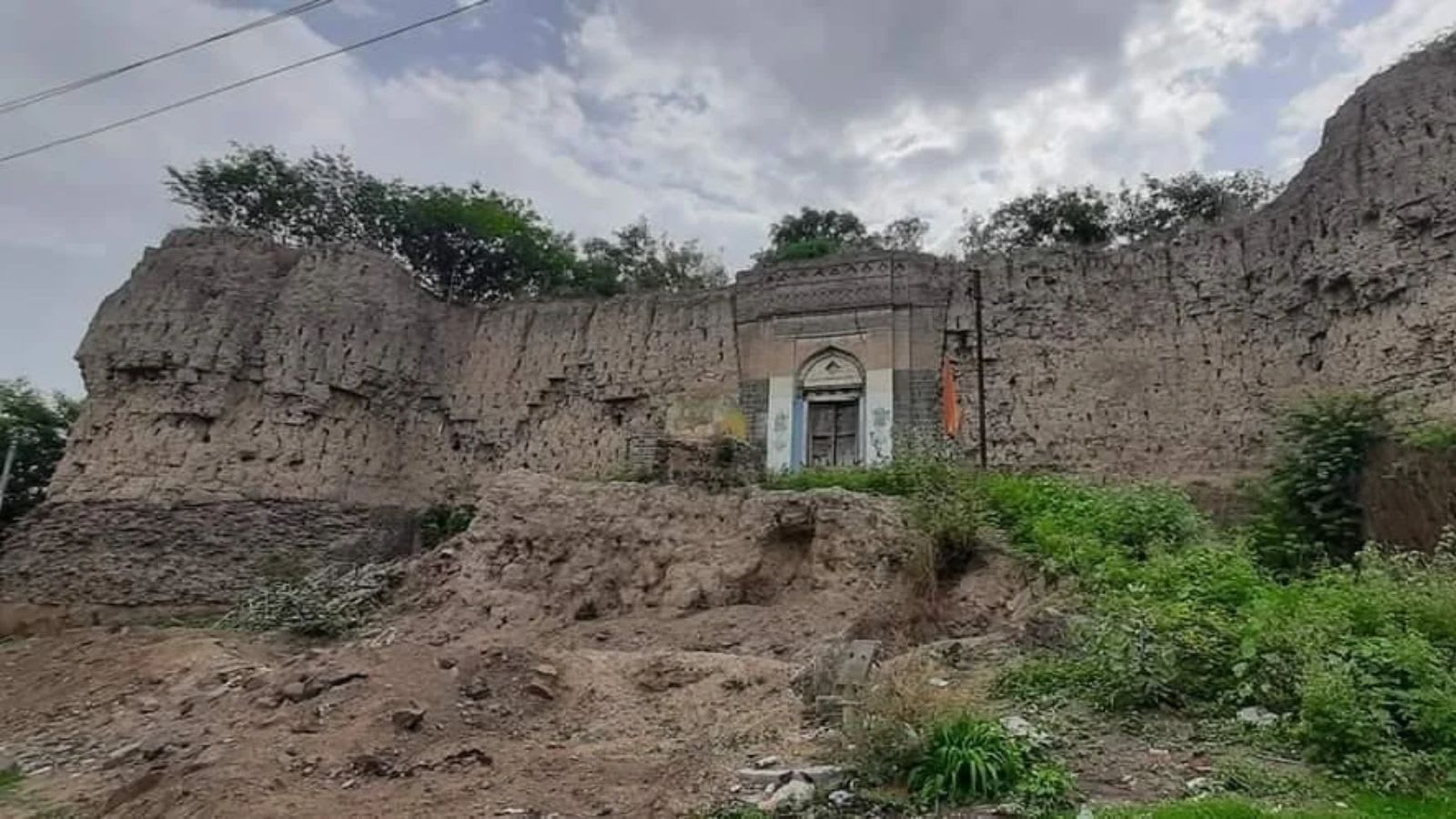
The historical legacy of Mastani in Pabal, Pune, is facing severe neglect, with her tomb and the remains of her Gadhi falling into disrepair. This situation highlights a critical failure in heritage preservation and underscores the constitutional duty of citizens to protect India's cultural history.
The Fading Echoes of Pabal: Rediscovering Mastani’s Legacy
In the popular imagination, Mastani is often reduced to a romanticized figure, immortalized by cinema as the captivating princess who won the heart of Peshwa Bajirao. However, beyond the silver screen lies a more complex and tangible reality in the village of Pabal, near Pune. Here, the physical remnants of her life—specifically her tomb and the ruins of her Gadhi—stand as silent witnesses to a history that is rapidly slipping away. The neglect of these sites is not merely a local issue; it is a profound commentary on how we, as a society, choose to curate and protect our shared heritage.
The Constitutional Imperative of Preservation
Heritage preservation is not just an aesthetic or academic pursuit; it is a civic responsibility enshrined in the bedrock of Indian governance. Article 51A(f) of the Constitution of India explicitly mandates that every citizen should value and preserve the rich heritage of our composite culture. When we allow historical landmarks like those in Pabal to crumble, we are not just losing bricks and mortar; we are failing to uphold a fundamental duty. The state of these sites suggests a disconnect between our constitutional ideals and our practical commitment to safeguarding the physical markers of our past.
The Erosion of Historical Identity
Preserving history requires a multi-layered approach involving community awareness, institutional documentation, and active resistance against the slow erasure of the past. In Pabal, the degradation of Mastani’s tomb and the Gadhi represents a collective failure. When local structures are allowed to fade into obscurity, we lose the tangible evidence required to separate historical truth from cinematic fiction. This neglect creates a vacuum where history is no longer a living, breathing aspect of local life, but a forgotten footnote relegated to ruins.
Beyond Romance: The Historical Weight of the Gadhi
While the narrative of Mastani is often dominated by her relationship with the Peshwa, the site at Pabal serves as a reminder that she was a figure of historical significance in her own right. The Gadhi was once a symbol of her presence and influence, yet today, it sits in a state of decay. Expanding our understanding of this site necessitates recognizing that historical preservation serves to keep these nuanced stories alive. By failing to protect these remains, we essentially mute the diverse voices that have shaped the Maratha history of the region.
Future Trends and the Path Forward
Looking ahead, the case of Pabal serves as a cautionary tale for heritage management across India. Without a concerted effort to document and restore such sites, we risk a future where our history is curated solely by popular media, detached from its original context. The path forward requires a shift in perspective: viewing these neglected sites not as burdens, but as essential pillars of cultural identity. If communities and institutions fail to pivot toward active protection, we will continue to witness the quiet disappearance of our most precious, yet vulnerable, historical narratives.