‘Travesty to term it state-inflicted death’: India votes against UN death penalty moratorium
Source Entity
Latest News: Todays Latest News Headlines from India & World | Hindustan Times
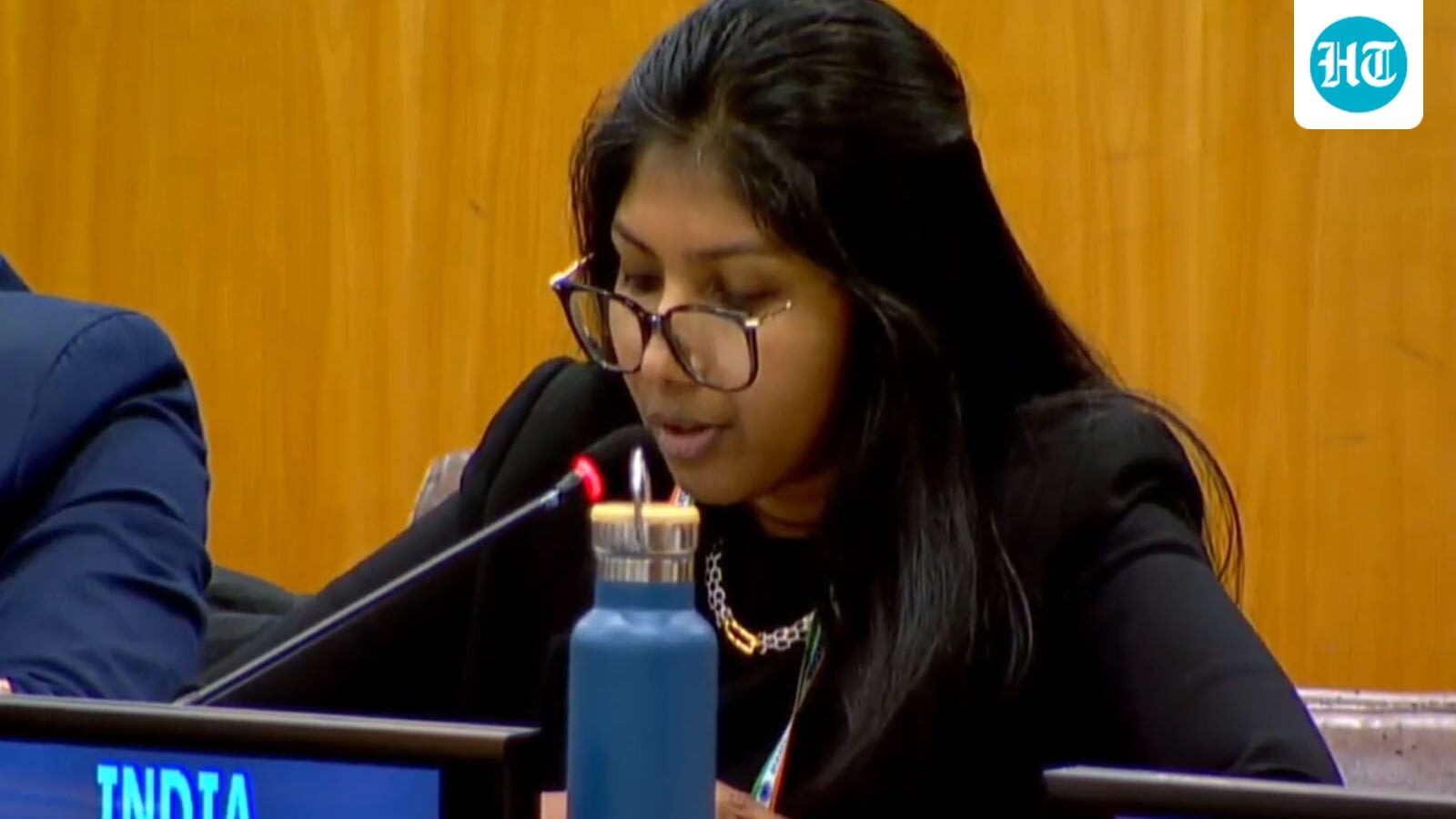
India voted against a UN General Assembly resolution calling for a global moratorium on the death penalty. New Delhi argued that capital punishment is a sovereign legal matter and criticized the conflation of judicial execution with extrajudicial killings.
India Rejects UN Death Penalty Moratorium: A Stance on Sovereignty
In a significant diplomatic move at the 81st United Nations General Assembly, India formally voted against a draft resolution calling for a global moratorium on the death penalty. Representing the nation, Bhavika Mangalanandan, First Secretary at India's Permanent Mission to the UN, articulated a clear stance: that capital punishment remains a matter of sovereign domestic law, and that there is no international consensus necessitating a universal ban on the practice.
The Legal Distinction: Judicial vs. Extrajudicial
A central component of India's objection lies in the procedural framing of the UN resolution. India took issue with the attempt to categorize judicially mandated capital punishment alongside reports concerning extrajudicial, summary, or arbitrary executions. By grouping these concepts, India argued that the resolution creates a false equivalence that undermines the legitimacy of state-sanctioned legal processes. New Delhi characterized this conflation as both "disingenuous and mischievous," asserting that legal executions performed under the rule of law should not be treated as a human rights violation in the same vein as unlawful, state-inflicted killings.
Sovereignty and Legal Pluralism
India’s position is deeply rooted in the principle of legal sovereignty. The government maintains that every nation possesses the inherent right to determine its own criminal justice system, including the severity of penalties for the most heinous crimes. This reflects a broader international debate between proponents of universal human rights standards and advocates for state-centric legal authority. For India, the death penalty is not merely a policy preference but a component of its judicial framework, reserved for exceptionally grave offenses, and it rejects any external attempt to impose a uniform global standard that ignores local legal contexts.
Broader Implications for Global Diplomacy
This vote highlights the ongoing tension between international human rights bodies and sovereign states regarding the interpretation of the Right to Life. While many Western nations advocate for the global abolition of the death penalty, a significant number of countries—including India—maintain that such decisions are internal affairs. This diplomatic friction suggests that the UN will continue to face challenges when attempting to pass resolutions that touch upon the fundamental pillars of domestic criminal justice systems.
Conclusion: Assessing the Path Forward
The rejection of this moratorium by India ensures that the death penalty will remain a contentious issue on the international stage. As the UN continues to address human rights, the divide between nations advocating for total abolition and those defending sovereign judicial discretion is likely to persist. India’s vocal opposition underscores its commitment to maintaining its current legal framework, signaling that it will continue to resist international efforts that it perceives as an encroachment on its domestic legislative and judicial autonomy.
Verification Required?