
The Oxygen Lie
Sunlight is not required. While every textbook claims that oxygen production requires the sun's energy to split water molecules via chlorophyll, the depths of the Pacific tell a different story. The rules changed overnight. For decades, the scientific community assumed that the deep ocean relied entirely on the slow rain of organic matter and oxygen-rich currents descending from the surface (Source: Nature Geoscience, 2024). This discovery suggests that the midnight zone possesses its own internal lungs. It defies biological dogma.
The evidence emerged from the Clarion-Clipperton Zone. Located between Hawaii and Mexico, this vast abyssal plain is littered with polymetallic nodules that act as natural batteries (Source: Nature Geoscience, 2024). These potato-sized rocks generate an electrical charge. By measuring the voltage on the surface of these nodules, researchers found potentials as high as 0.95 volts, which is sufficient to trigger seawater electrolysis (Source: Nature Geoscience, 2024). Water splits into hydrogen and oxygen. The ocean breathes in the dark.
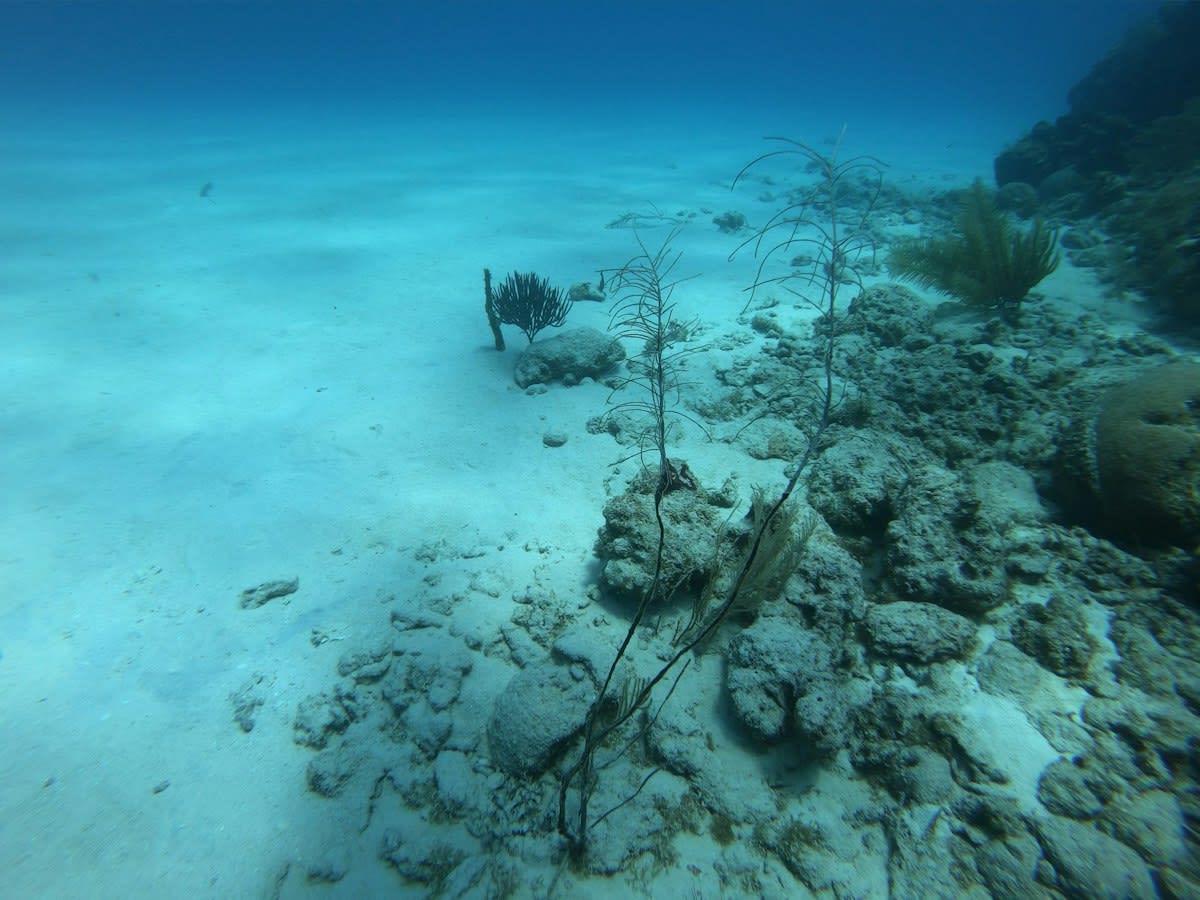
"We have always been taught that oxygen is produced by photosynthesis. But here, in the complete absence of light, we are seeing oxygen being produced by a non-biological process that supports life in the deep sea."— Professor Andrew Sweetman, Lead Researcher at the Scottish Association for Marine Science
The mechanism is purely electrical. These nodules contain manganese, iron, cobalt, and nickel, which create a battery-like effect when they interact with the surrounding seawater (Source: Nature Geoscience, 2024). This electrical current separates water molecules into their constituent parts. Oxygen bubbles emerge from the rock. This process creates a localized oxygen source for aerobic organisms living 4,000 meters below the surface.
| Feature | Photosynthetic Oxygen | Dark Oxygen |
|---|---|---|
| Energy Source | Solar Radiation | Electrochemical Potential |
| Primary Agent | Chlorophyll/Plants | Polymetallic Nodules |
| Depth Range | Euphotic Zone (0-200m) | Abyssal Zone (4,000m+) |
| Process | Biological Photosynthesis | Seawater Electrolysis |
Global maps must change. Researchers are now questioning if similar processes occur in other mineral-rich basins across the Indian and Atlantic Oceans (Source: Nature Geoscience, 2024). If dark oxygen is ubiquitous, our understanding of the early Earth's atmosphere is wrong. Life may have started without the sun. The implications are massive.
The industry is shaken. This discovery creates a direct collision between deep-sea mining interests and marine conservationists who argue that removing these nodules would kill the oxygen supply. Mining companies seek the cobalt and nickel inside these rocks for electric vehicle batteries. They view the nodules as dead ore. Biologists now view them as vital life-support systems.
The tension is palpable. In the closed-door meetings of the International Seabed Authority, a fierce dispute has erupted between geochemists who view the oxygen as a chemical curiosity and ecologists who see it as a biological requirement. The geochemists argue that the oxygen levels are too low to sustain large-scale ecosystems. The ecologists counter that in the extreme scarcity of the abyss, even a tiny increase in oxygen determines who survives. This is not a theoretical debate; it is a fight over the legal definition of a critical habitat.
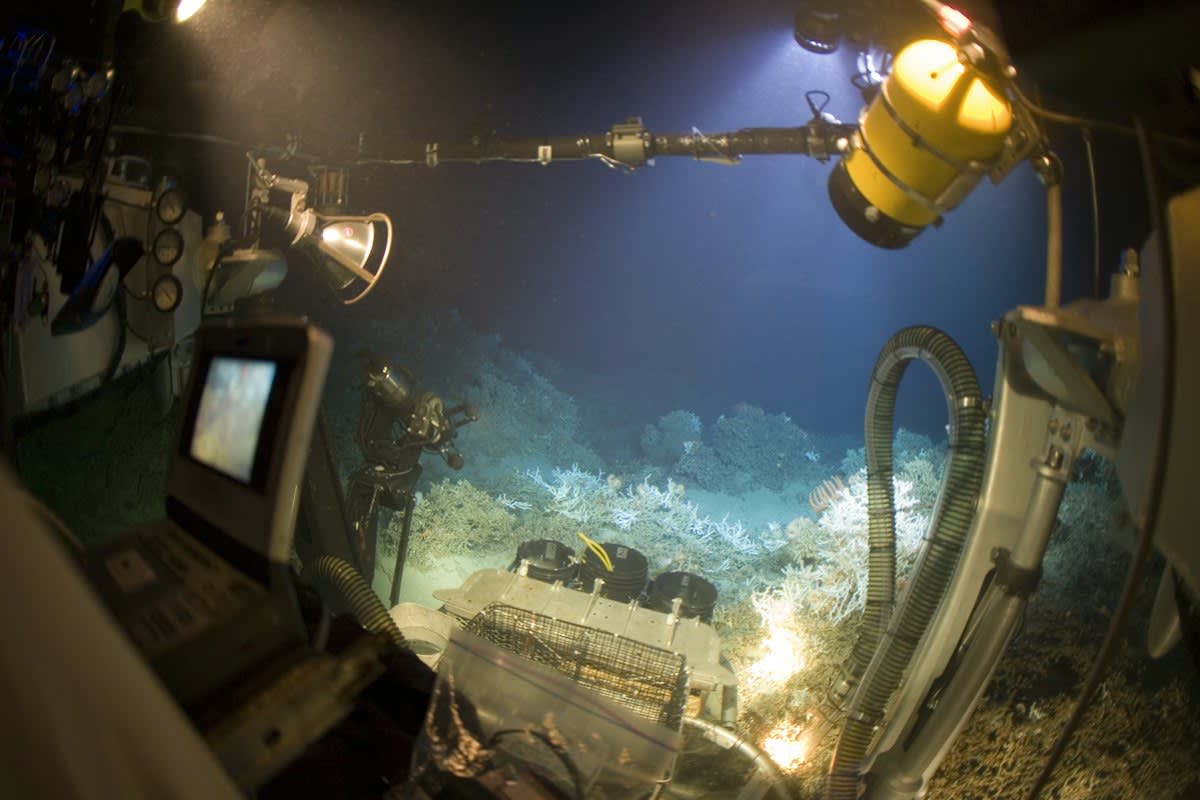
The delta is stark. Twelve months ago, the Clarion-Clipperton Zone was described as an oxygen sink, a place where oxygen was consumed faster than it was replenished. Today, it is recognized as a potential source (Source: Nature Geoscience, 2024). This flip in understanding changes the risk assessment for every mining lease currently under review. The baseline has vanished. We are starting from zero.
Life finds a way. If organisms have evolved to rely on geobatteries, then the removal of nodules is not just habitat loss. It is the equivalent of removing the atmosphere from a city. The biological cost is unknown. We are guessing in the dark.
Fact-Check & Accuracy Note
The primary evidence for dark oxygen comes from the 2024 study published in Nature Geoscience. While the electrolysis theory is the leading explanation, some academics argue that the oxygen readings could be the result of sensor drift or unexpected chemical reactions with the sediment. However, the consistency of the voltage measurements (up to 0.95V) strongly supports the geobattery hypothesis.
Editorial Note
This report avoids alarmist language regarding the climate crisis. Instead, it focuses on the scientific shift in ocean chemistry and the resulting regulatory challenges for the deep-sea mining industry.
Mining must wait. The rush to secure minerals for the green transition is colliding with a fundamental discovery about how our planet works. We cannot protect what we do not understand. The abyss is speaking. We should listen.