Leadership | Saving the invisible victims
Source Entity
Latest News: Todays Latest News Headlines from India & World | Hindustan Times
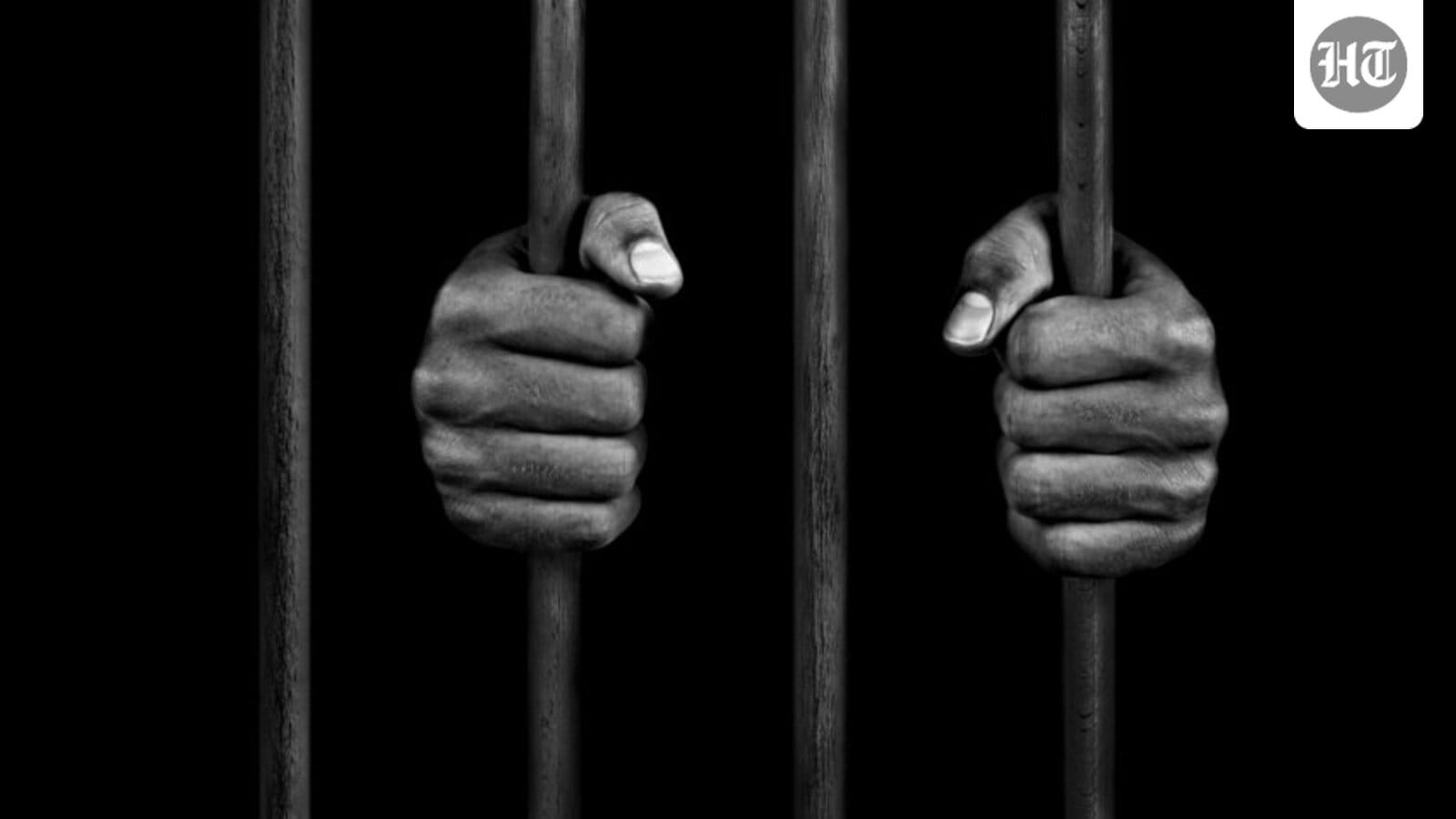
Over 1,300 children in India currently reside in prisons alongside their incarcerated mothers. This analysis examines the systemic challenges faced by these 'invisible victims' who endure the consequences of parental imprisonment despite having committed no crimes.
The Silent Crisis of Children in Custody
For more than three decades, a quiet movement has emerged to address the plight of children who are the invisible victims of India’s carceral system. These children, who have committed no offense and have not been convicted by any court, find themselves living behind prison walls simply because their mothers are incarcerated. This paradox creates a life defined by confinement, where a child's world is restricted to barrack numbers and the limited horizon of a prison yard.
The Scale of the Challenge
According to the National Crime Records Bureau (NCRB) Prison Statistics India 2024, there are currently more than 1,300 children living in Indian prisons with their mothers. These statistics are not merely numbers; they represent a vulnerable demographic navigating a reality they did not choose. The innocence of these children is starkly contrasted by their surroundings, where mundane requests for canteen items like 'red papad' highlight the tragic normalcy they have adopted within a high-security environment.
Psychological and Developmental Impacts
Growing up behind bars presents profound developmental challenges. Children in these environments are often deprived of the typical stimuli required for healthy cognitive and social growth. The prison setting, designed for security and punishment rather than child-rearing, lacks the necessary infrastructure to support early childhood development. When a child asks a visitor, 'Which barrack are you in?' it underscores the psychological internalization of incarceration, where the prison becomes the primary frame of reference for their existence.
Policy and Legal Implications
While the legal system focuses on the mother’s bail or conviction status, the child remains a collateral consequence of the judicial process. The hope expressed by a child—'My mom is set to get bail today, so we will be free'—reveals the precarious nature of their situation. Legal policies must evolve to ensure that the rights of these children are prioritized, potentially through alternative sentencing or improved institutional support that separates the child's needs from the mother's punitive status.
Moving Toward Reform
Addressing this issue requires a systemic shift that goes beyond mere incarceration statistics. Advocacy groups and reformers have spent thirty years attempting to shed light on these 'invisible victims.' Future trends must focus on creating child-friendly spaces and ensuring that parental incarceration does not equate to a loss of childhood. Reforms should aim to integrate these children into society, providing them with education and resources that mitigate the long-term trauma associated with their early years behind bars.
Conclusion
The plight of children in Indian prisons is a humanitarian concern that demands urgent attention. By recognizing them as victims of circumstance rather than participants in crime, policy frameworks can be redesigned to protect their future. Ensuring that these children are not defined by the walls surrounding them is the next great challenge for social justice and prison reform in India.
Verification Required?