Rs 20K rent for 2.6 acres in Cubbon Park: Karnataka CM urged to end tennis body lease
Source Entity
The Indian Express
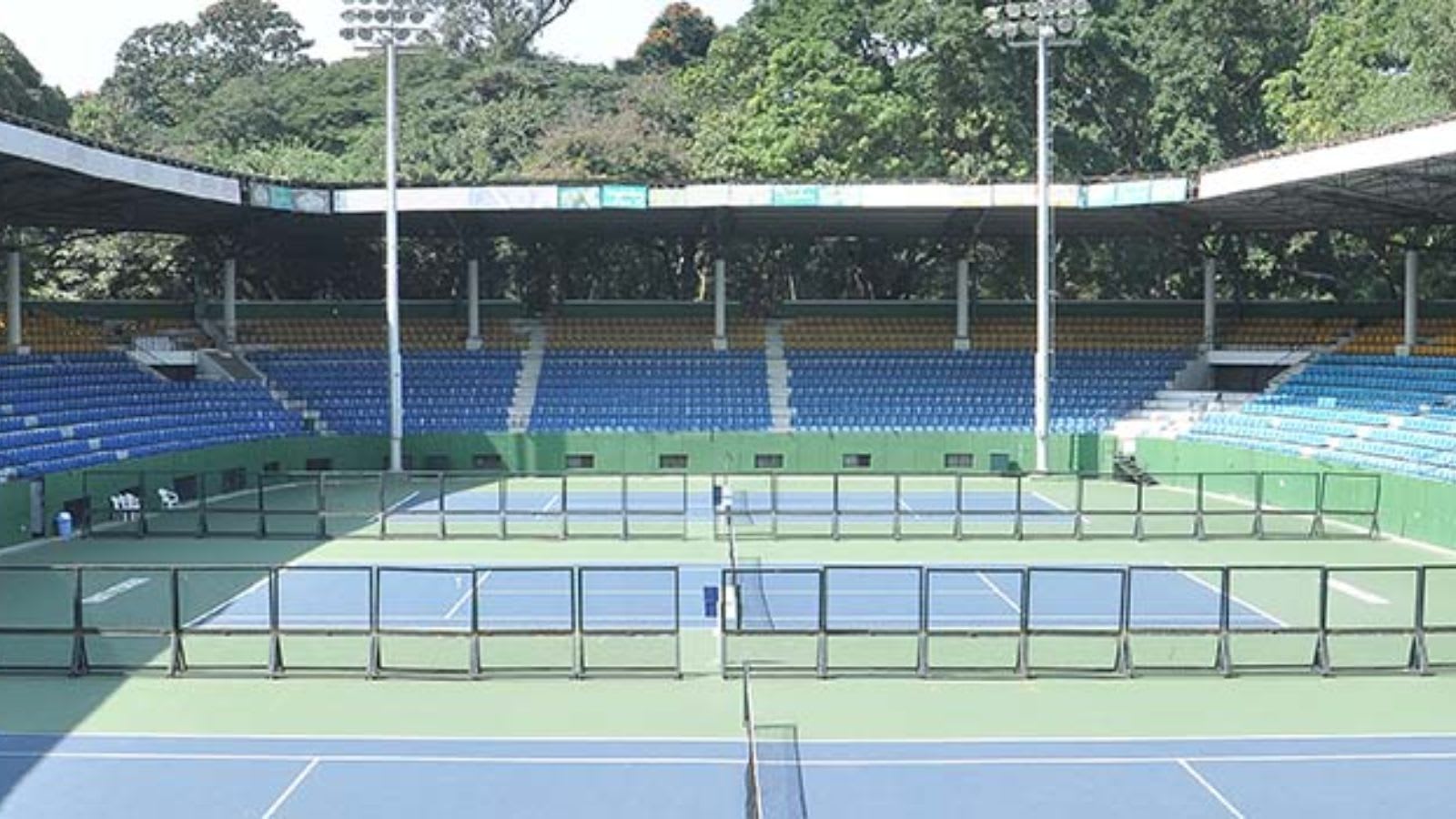
The Cubbon Park Walkers’ Association is petitioning the Karnataka government to terminate the KSLTA's lease over concerns of privatization and low rent. They argue that the prime 2.6-acre site is being misused for commercial purposes rather than public sporting utility.
The Battle for Bengaluru's Green Heart: KSLTA Lease Controversy
A Conflict of Interests in Cubbon Park
The recent demand by the Cubbon Park Walkers’ Association to block the renewal of the Karnataka State Lawn Tennis Association’s (KSLTA) lease marks a significant escalation in the ongoing struggle over public land usage in Bengaluru. With the lease having expired in August, the association has called upon the Karnataka Chief Minister to intervene, citing that the 2.6-acre facility has evolved into a private entity rather than a public sporting resource. This development highlights the tension between legacy institutions and the growing need for accessible public green spaces in one of India’s fastest-growing metropolises.
The Economics of Public Land
At the core of the dispute is the stark disparity between the nominal rent paid by the KSLTA and the commercial nature of its operations. The Walkers’ Association contends that the current arrangement is financially disadvantageous to the state, especially given the prime location of the plot. By paying a fraction of the market value for such a substantial area, the KSLTA is accused of operating more like an exclusive private club and bar rather than a community-focused tennis facility. This economic mismatch serves as the primary catalyst for the current protest, raising questions about how state-owned land is leased to private or semi-private sporting bodies.
Historical Context and Institutional Neighbors
Cubbon Park is not merely a park; it is a historical and administrative nerve center of Bengaluru. The park houses significant landmarks, including the Karnataka High Court and the Century Club, which was founded by the legendary engineer and statesman Sir M. Visvesvaraya. The proximity of the KSLTA to these historic institutions underscores the prestige of the location. However, critics argue that the park's primary mandate—to serve as a public lung for the city—is being compromised by the long-term occupation of these large plots by organizations that restrict general public access.
The Role of Regulatory Oversight
Advocate S. Umesh, representing the Walkers’ Association, has brought national attention to this issue by questioning the lack of transparency in the lease terms. The argument follows a broader trend in urban planning where citizens are increasingly demanding that public land assets be managed for the benefit of the many rather than the few. As the state government evaluates the renewal, they are faced with the challenge of balancing the historical contributions of the KSLTA to the sport of tennis with the contemporary requirement for public space.
Future Implications for Urban Greenery
The outcome of this petition could set a vital precedent for how Bengaluru manages its remaining green spaces. If the government decides to reclaim the land or renegotiate the lease under stricter public-utility clauses, it could signal a shift in urban policy toward prioritizing community access. Conversely, a renewal without significant changes to the rental structure or operational mandates may lead to further public litigation and growing dissatisfaction among the city's residents who rely on Cubbon Park for recreation and environmental well-being.