Railway ‘fails to extend’ season ticket despite train disruption, Haryana man wins Rs 5,000
Source Entity
Richa Sahay
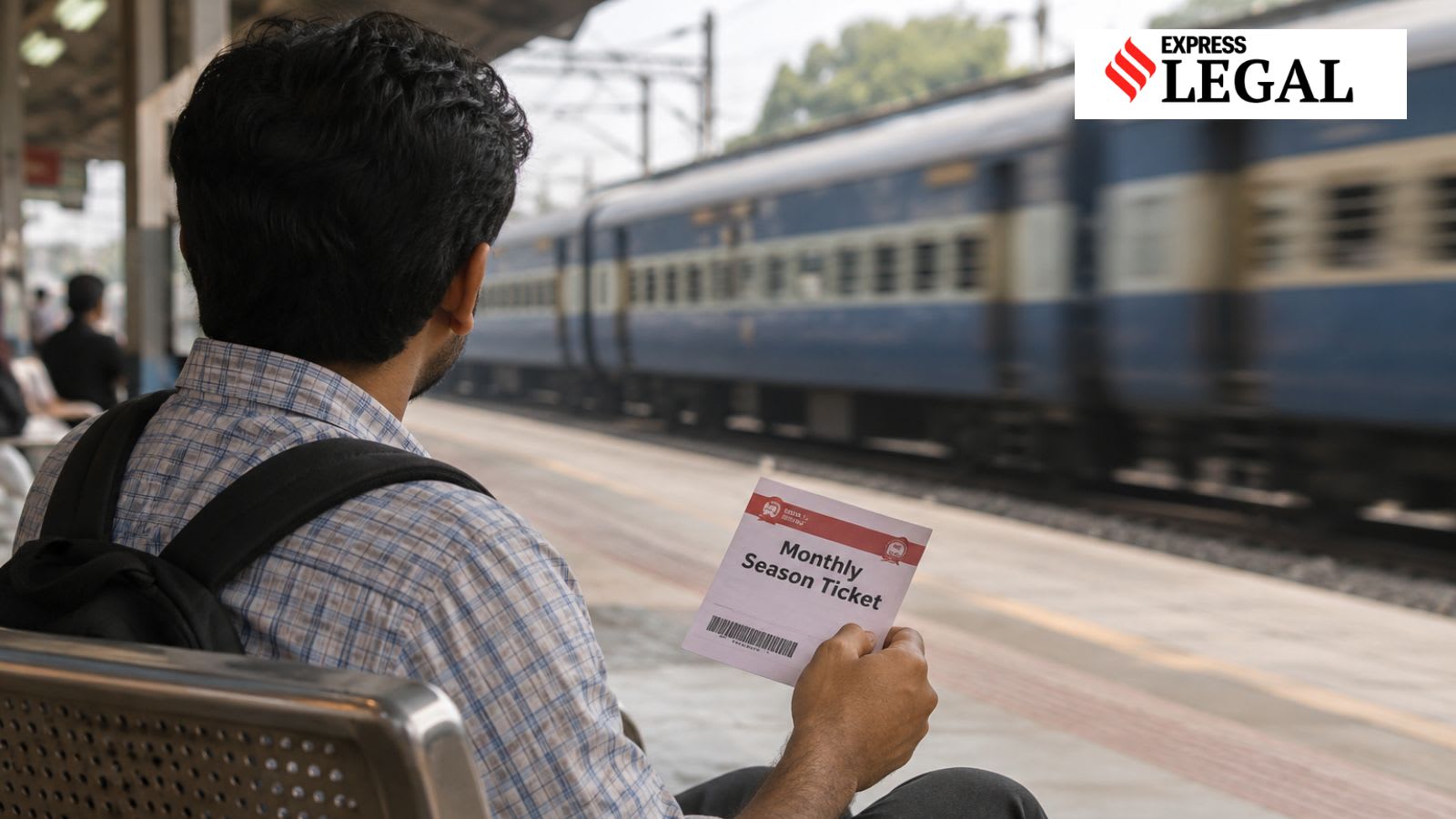
Consumer commissions in Haryana and Tamil Nadu have ruled against railway authorities for unfair practices. The rulings mandate compensation for passengers regarding unrefunded ticket validity and inflated express fare charges.
Consumer Commissions Hold Indian Railways Accountable for Service Lapses
Recent legal developments across India highlight a growing trend of consumer empowerment against state-run transport monopolies. In two distinct cases, consumer redressal forums have ruled against the Indian Railways, affirming the rights of passengers when faced with arbitrary service changes and unjustified fare hikes. These decisions serve as a critical reminder that public utility providers are not exempt from the standards of service and transparency expected in any commercial transaction.
The Haryana Case: Service Disruption and Compensation
In Haryana, a resident challenged the railway authorities for failing to accommodate passengers during a period of track maintenance. The complainant, who held a Monthly Season Ticket (MST), found that train operations were shifted from Bhiwani Junction to Bhiwani City, leading to significant inconvenience. Despite the disruption, the authorities refused to extend the validity of the MST or provide a refund for the days the service was unavailable. The Bhiwani District Consumer Disputes Redressal Commission ruled in favor of the passenger, ordering a refund for the affected days and an additional Rs 5,000 in compensation for the mental agony caused.
The Tamil Nadu Case: Unauthorized Fare Inflation
Simultaneously, a consumer commission in Tamil Nadu addressed a case involving the Southern Railway and the Railway Board. A passenger reported being charged an 'express fare' of Rs 125 for a journey from Karwar to Mangalore Central, despite the train maintaining the exact speed, timings, and stoppage frequency of an ordinary passenger train, which would typically cost Rs 65. The commission found that the authorities had essentially rebranded a standard service as an 'express special' without providing any enhanced features or speed benefits to justify the cost increase.
Implications of Regulatory Oversight
These rulings underscore a shift in how consumer grievances are handled in India's transport sector. By holding the Railway Board accountable, these commissions are signaling that 'administrative convenience' cannot supersede the contract of service established when a ticket is purchased. The requirement for railways to compensate commuters for service failures acts as a deterrent against the arbitrary reclassification of services for profit, which has been a recurring point of contention for daily commuters.
Broader Context and Consumer Rights
Historically, passengers often felt helpless against the vast bureaucratic structure of the Indian Railways. However, the success of these individual complainants suggests that district-level consumer commissions are becoming more accessible and effective platforms for seeking justice. These cases highlight the necessity for better communication from the railways when track work occurs, as well as the need for transparent fare structures that reflect the actual service provided rather than deceptive labeling.
Future Trends in Railway Accountability
As digital ticketing and real-time tracking continue to modernize, the gap between the service promised and the service delivered is becoming more apparent to the public. If these rulings continue to set a precedent, the Indian Railways may be compelled to standardize their refund policies for MST holders during construction periods and ensure that fare reclassifications are backed by genuine service upgrades. Ultimately, these legal victories foster a more accountable environment where the passenger's experience is prioritized over administrative expediency.