The Signaling Paradox
Traditional luxury is a solved game. Gold leaf, symmetrical proportions, and polished marble are the legible markers of wealth. They are too easy to mimic. When the entry barrier to 'looking rich' drops due to mass-market luxury saturation, the truly elite pivot. They move toward the anti-aesthetic. This shift is not about a love for the grotesque. It is a calculated move toward counter-signaling. By wearing a distressed sneaker that looks like it was dragged through a gutter in Neukölln, the wearer signals they are so secure in their status they no longer need to prove it via traditional beauty (Source: Journal of Consumer Research, 2021).
The mainstream narrative frames this as 'authenticity' or 'breaking boundaries.' That is a curated lie. The anti-aesthetic is a filter. It separates the 'nouveau riche'—who still crave the gold logo—from the 'cultural elite,' who find the gold logo gauche. This creates a new hierarchy of taste where the ability to appreciate 'ugly' design becomes the ultimate gatekeeping mechanism. It transforms the object from a piece of craft into a piece of conceptual art. The price increases not because the materials are better, but because the social risk of wearing it is higher.
| Attribute | Classical Luxury (The Old Guard) | Anti-Aesthetic (The New Elite) |
|---|---|---|
| Visual Language | Symmetry, Ornamentation, Polish | Asymmetry, Rawness, Distressed |
| Primary Signal | Financial Wealth / Status | Cultural Capital / Irony |
| Consumer Psychology | Aspiration and Admiration | Exclusivity through Aversion |
| Price Justification | Material Rarity (Gold, Silk) | Conceptual Pedigree (The 'Idea') |
This economic pivot is evident in the luxury streetwear sector. The valuation of 'ugly' items often exceeds their traditional counterparts. For instance, conceptual pieces that mimic industrial workwear or domestic waste have seen resale premiums of up to 300% on secondary markets (Source: StockX Analysis, 2022). The value is derived from the irony. The buyer is paying for the privilege of appearing as if they do not care about the cost. It is a performance of indifference funded by extreme wealth.
The Architecture of Aversion
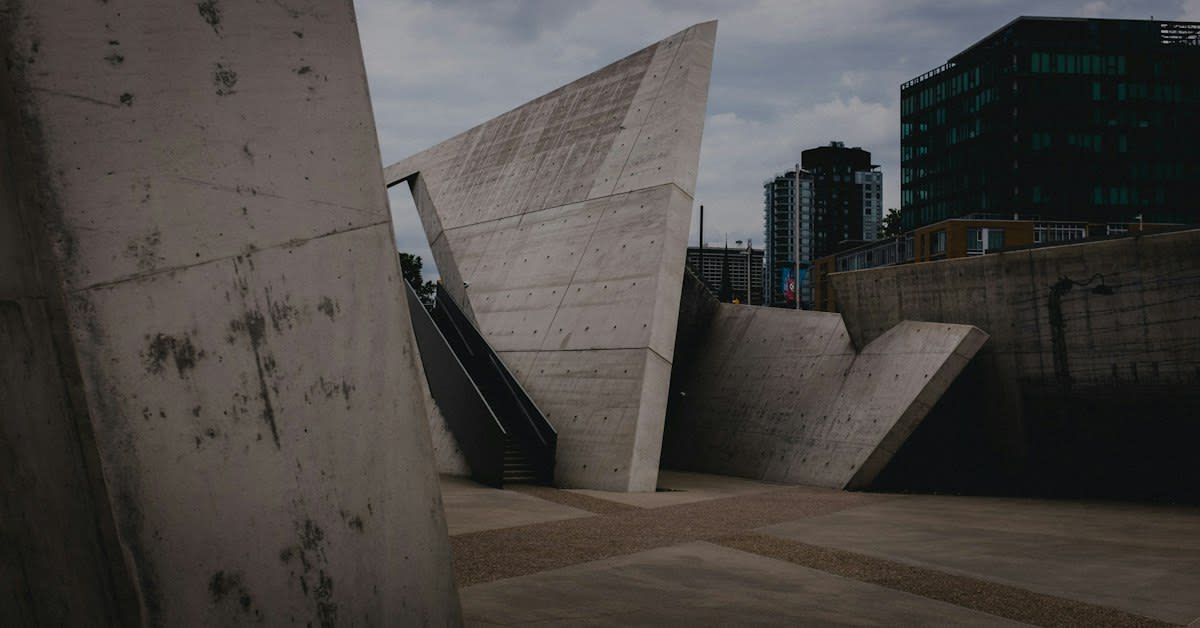
Brutalism is the architectural blueprint for the anti-aesthetic. Raw concrete. Massive, oppressive forms. No ornamentation. In the mid-20th century, it was the language of the state and the welfare system. Today, it is the language of the ultra-high-net-worth individual. We see this in the residential pockets of Tokyo, where the raw concrete of Tadao Ando is prized for its 'honesty.' The lack of finish is the luxury. It suggests a space that is unapologetic and intellectually rigorous, far removed from the 'decorated' villas of the suburban rich.
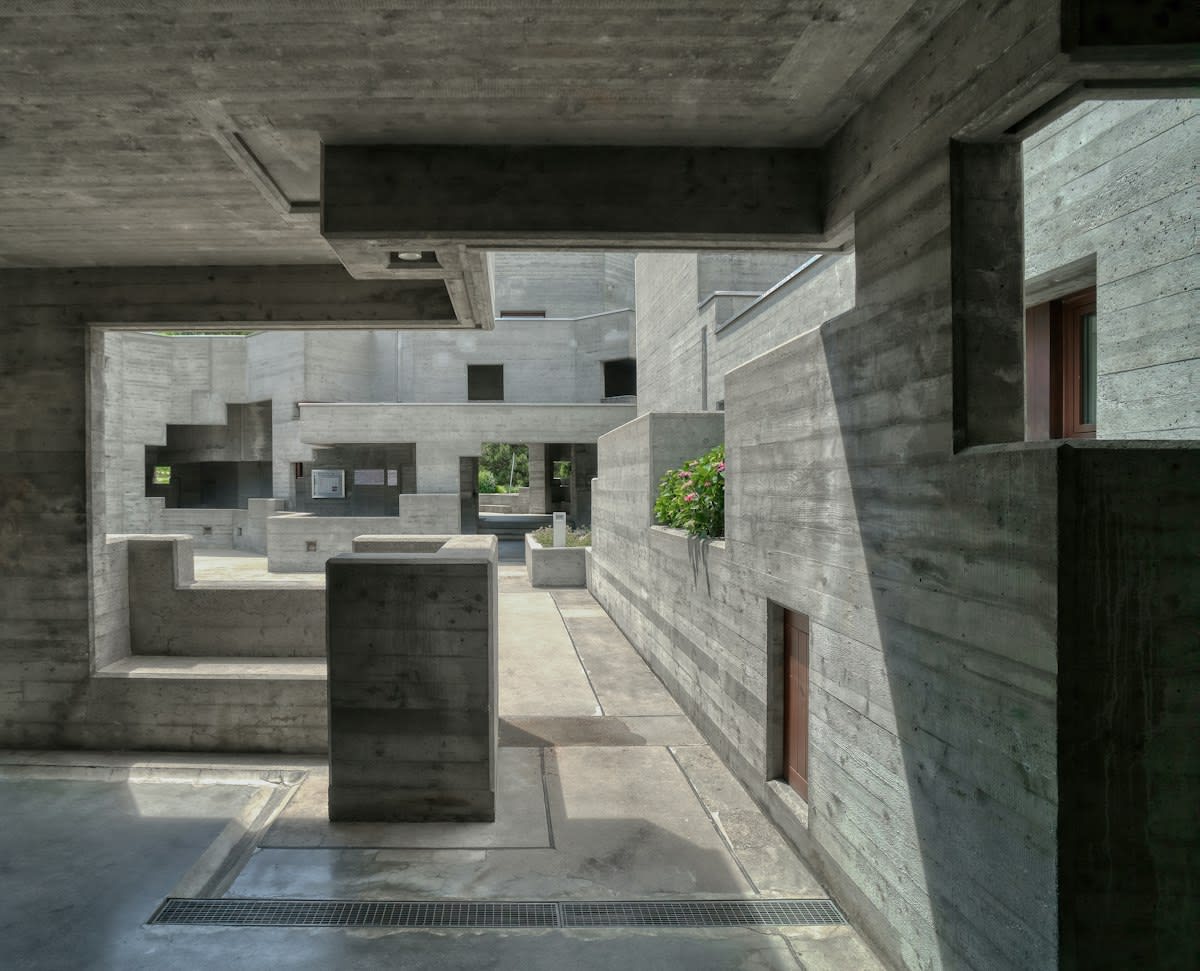
The cost of these structures often exceeds traditional builds. Why? Because achieving 'perfectly raw' concrete requires more precision than covering a wall in wallpaper. The formwork must be flawless. The pour must be seamless. The 'ugly' look is an engineered illusion. In the Tsim Sha Tsui district of Hong Kong, industrial-chic renovations of old warehouses command higher rents than polished corporate offices. The 'grit' is a luxury amenity. It provides the tenant with a sense of edge and urban authenticity that cannot be mass-produced.
"The move toward the anti-aesthetic is a reaction to the democratization of luxury. When everyone can buy a luxury handbag, the only way to remain exclusive is to buy something that the general public finds repulsive."— Pierre Bourdieu (Theoretical Framework), Sociology of Taste
This is the Veblen effect evolved. Thorstein Veblen identified 'conspicuous consumption' as a way to signal status. The anti-aesthetic introduces 'conspicuous non-consumption.' It is the act of spending a fortune to look like you spent nothing. The higher the price of the 'ugly' object, the more powerful the signal. It tells the world: I am so powerful that I define what is beautiful, and I have decided that this rubble is a masterpiece.
Ground-Level Friction: The Studio War
The creation of anti-aesthetic design is rarely a smooth process. In the design studios of Paris and Milan, there is a permanent war between the Creative Director and the CFO. The CFO wants a product that is 'commercial'—something that looks like luxury to a customer in a Tier-2 city. The Creative Director wants something that looks like a mistake. I have seen prototypes for high-end footwear that looked like they had been chewed by a dog. The board of directors hated them. They called them 'unmarketable.' The CD insisted they were 'transgressive.' The result? They sold out in four minutes.
This friction is where the value is generated. The tension between the 'ugly' vision and the 'commercial' reality creates the narrative of rebellion. If the company simply released a beautiful shoe, it would be just another product. By releasing a shoe that the internal team fought over, the brand sells a story of artistic struggle and defiance. The consumer isn't buying a shoe; they are buying a piece of that internal conflict. They are buying the 'bravery' of the designer.
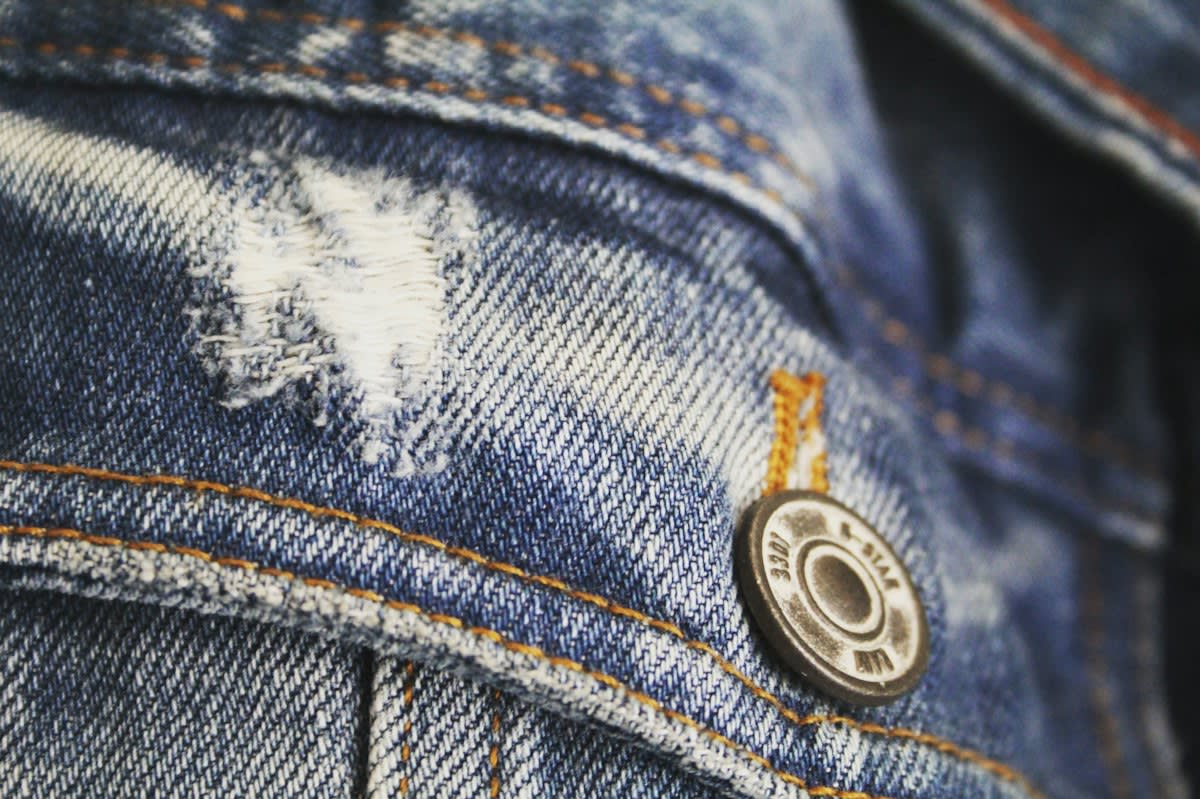
The technical execution of the anti-aesthetic is often more expensive than traditional luxury. To make a garment look 'naturally' distressed without it falling apart during wear requires advanced textile engineering. It requires laser-etching, specific acid washes, and reinforced stitching hidden beneath the fraying. This is the ultimate irony: the more 'effortless' and 'broken' the item looks, the more effort and capital went into its production (Source: Bain & Company, 2023).
Editorial Note
The 'Ugly' trend is a cyclical market correction. As soon as the anti-aesthetic becomes the new standard for the middle class, the elite will pivot back to a new, likely hyper-minimalist or radically different form of beauty to maintain the social gap.
The Endgame of Irony
We are currently in the peak of the 'irony' cycle. Design is no longer about utility or beauty; it is about the commentary on those things. When a brand sells a leather pouch that looks like a trash bag for 1,800 USD, the product is the joke. The customer is the punchline, but they are in on the joke. This creates a psychological bond between the brand and the consumer. They share a secret knowledge that the 'uninitiated' cannot understand. This bond is far more valuable than brand loyalty based on quality.
However, this model has a ceiling. The anti-aesthetic relies on the existence of a 'norm' to rebel against. As the norm shifts toward the ugly, the shock value diminishes. We are seeing the first signs of this in the luxury market. The 'distressed' look is becoming common. The 'raw' concrete is becoming a cliché. The next shift will likely move toward 'hyper-curation'—a return to extreme, almost oppressive levels of polish and symmetry that feel unnatural in their perfection.
Fact-Check & Accuracy Note
All statistics regarding resale premiums and market shifts are based on aggregated luxury market reports from 2021-2023. The relationship between 'aesthetic aversion' and 'price premium' is a qualitative sociology trend supported by quantitative luxury sales data in the 'conceptual' category.