These 5 defense stocks are drawing millions in insider bets ahead of military-spending boom in 2027
Source Entity
Michael Brush
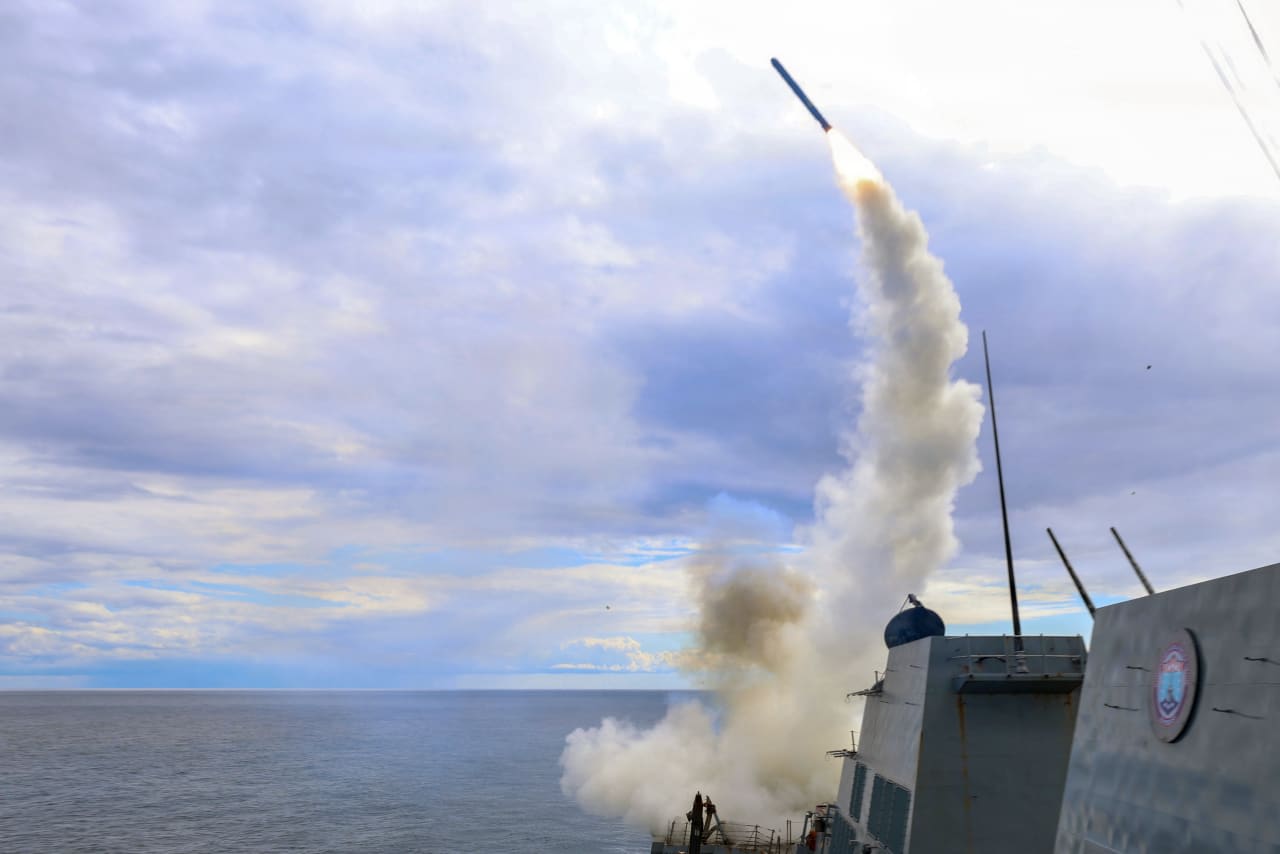
Projected U.S. defense spending reaching $1.15 trillion by 2027 is fueling significant investor interest in major military contractors. These insider bets reflect anticipated growth in the production of missiles, drones, and aircraft.
The Surge in Defense Sector Investment
Recent market data indicates a significant uptick in insider trading activity within the defense sector, as corporations prepare for a historic surge in U.S. military spending. With projections placing the total defense budget at approximately $1.15 trillion for the coming year, investors are positioning themselves to capitalize on the sustained demand for advanced military hardware. This financial movement underscores a broader trend of confidence in the industrial capacity of companies specialized in high-tech warfare.
Strategic Drivers of Military Spending
The projected budget increase is fundamentally tied to the modernization of military assets and the replenishing of stockpiles. As the geopolitical landscape remains volatile, the demand for sophisticated missiles, autonomous drone systems, and next-generation aircraft has reached a critical inflection point. These sectors are not merely seeing increased interest; they are becoming the backbone of the domestic manufacturing strategy, as the U.S. government prioritizes domestic production capabilities to ensure supply chain security.
Impact on Defense Contractors
For companies operating within the defense-industrial base, this influx of capital and anticipated government contracts represents a period of significant growth. The focus on drones and missiles reflects a shift toward asymmetric warfare capabilities, which require constant technological iteration and large-scale manufacturing. As these companies ramp up production to meet the $1.15 trillion spending target, they are attracting both institutional and insider capital, signaling that the market expects consistent long-term revenue streams.
Historical Context and Market Trends
Historically, defense spending has acted as a counter-cyclical stabilizer in the U.S. economy, often expanding during periods of global uncertainty. The current trajectory suggests that 2027 will be a landmark year for military procurement. The shift toward modernizing the air and missile defense infrastructure is not just a reactive measure but a strategic pivot toward maintaining technological superiority in an increasingly competitive global environment.
Future Outlook and Implications
Looking ahead, the defense sector is poised to remain a primary driver of industrial productivity. As the government transitions toward more autonomous and AI-integrated systems, the companies that can bridge the gap between traditional aerospace engineering and modern software-defined defense will likely see the greatest benefits. Investors are clearly betting that the current fiscal trajectory will hold, providing a stable platform for growth in an otherwise unpredictable economic climate.
Conclusion
The combination of record-level federal spending and increased insider confidence suggests that the defense industry is entering a robust growth cycle. By focusing on essential military technologies such as aircraft and drones, firms are aligning their business models with the stated fiscal priorities of the U.S. government, setting the stage for significant operational expansion through 2027.
Verification Required?