Only the Seminole tribe can offer online gambling in Florida—and they're furious at DraftKings
Source Entity
Cyrus Farivar
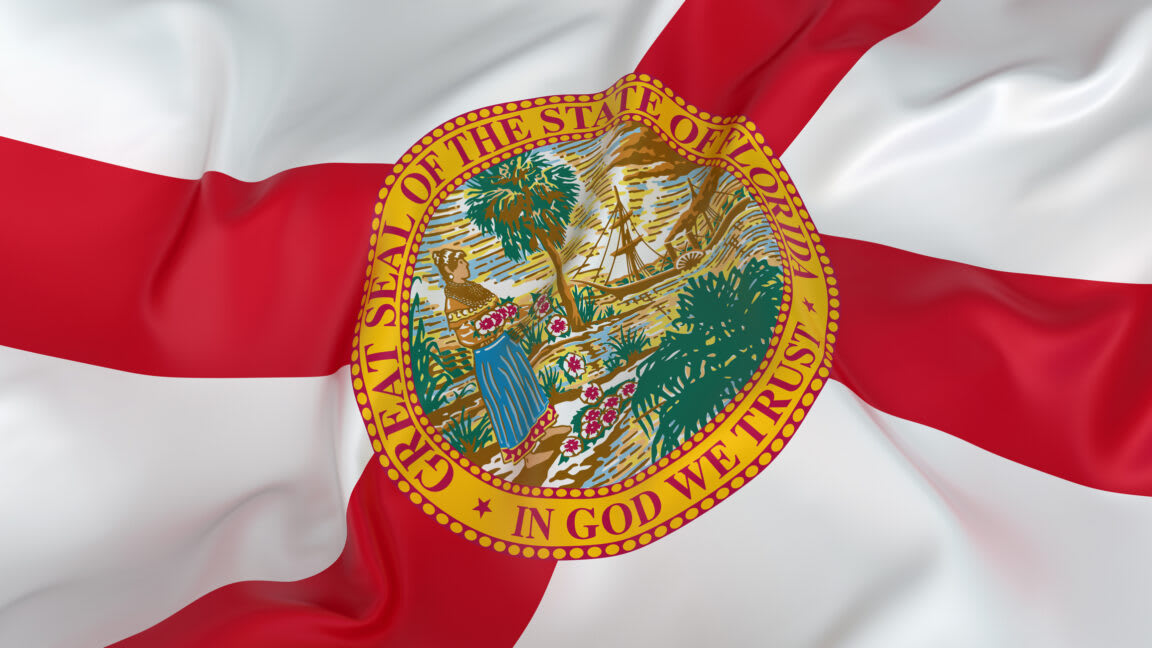
The Seminole Tribe has filed a lawsuit against DraftKings, alleging that its 'Pick6' and 'Super App' platforms constitute illegal gambling in Florida. This legal battle centers on the tribe's exclusive rights to state-sanctioned online wagering and the potential impact on public funding.
The Legal Battle for Florida's Wagering Market
The recent legal action initiated by the Seminole Tribe against DraftKings marks a significant escalation in the ongoing struggle over digital gambling exclusivity in Florida. By filing a lawsuit to challenge DraftKings’ “Pick6” and “Super App” offerings, the Seminole Tribe is asserting its position as the sole legal entity authorized to facilitate online wagering within the state. This confrontation highlights the friction between established tribal gaming compacts and the rapid expansion of third-party digital sportsbooks.
The Core Allegations: Defining Illegal Wagers
At the heart of the litigation is the definition of what constitutes an “illegal” sportsbook. The Seminole Tribe contends that DraftKings is operating outside the bounds of Florida law, effectively siphoning revenue that is contractually earmarked for both tribal operations and state-funded public programs. By labeling the “Pick6” fantasy-style platform and the “Super App” as unauthorized, the Tribe is attempting to protect the integrity of the state-sanctioned gaming ecosystem that relies on a specific regulatory framework.
The Federal Court Intervention
DraftKings has responded by requesting that a federal court in Florida assume jurisdiction over the lawsuit. This move by DraftKings signals a tactical shift, moving the dispute into a federal venue where broader constitutional questions regarding the scope of state-level gambling compacts may be tested. This federal involvement adds a layer of complexity to an already intricate landscape, as the outcome could set a nationwide precedent for how digital “swaps” and fantasy sports platforms are regulated in states with existing tribal exclusivity agreements.
Economic Implications and Public Funding
The Seminole Tribe’s argument is rooted in the significant economic stakes involved. Because the Tribe provides a portion of its gambling revenue to Florida’s government services, any diversion of customers to unauthorized platforms directly threatens the state's fiscal health. This creates a high-stakes environment where every dollar wagered on a contested platform is viewed by the Tribe as a direct loss to public coffers, further intensifying the necessity of this legal intervention.
A Broader Context of Tribal Sovereignty
This case is not an isolated incident but a continuation of a nationwide debate regarding the rights of indigenous tribes in the digital age. Across the United States, various tribes are navigating the fine line between defending their exclusive rights and exploring new opportunities in prediction markets. The Florida situation serves as a bellwether for how these groups will handle competitive threats in the digital marketplace, balancing the preservation of traditional compacts with the realities of modern, decentralized online platforms.
Future Trends and Outlook
Looking forward, the resolution of this case will likely influence how other states handle the intersection of fantasy sports and traditional sports betting. As companies like DraftKings continue to innovate with new products, the legal definitions of “wagering” will face constant scrutiny. The outcome of the federal proceedings will likely force a clearer distinction between skill-based games and gambling, potentially reshaping the competitive landscape for all digital betting operators in the years to come.