Marriage To Indian Does Not Guarantee Right To Stay In India: High Court
Source Entity
NDTV News Search Records Found 1000
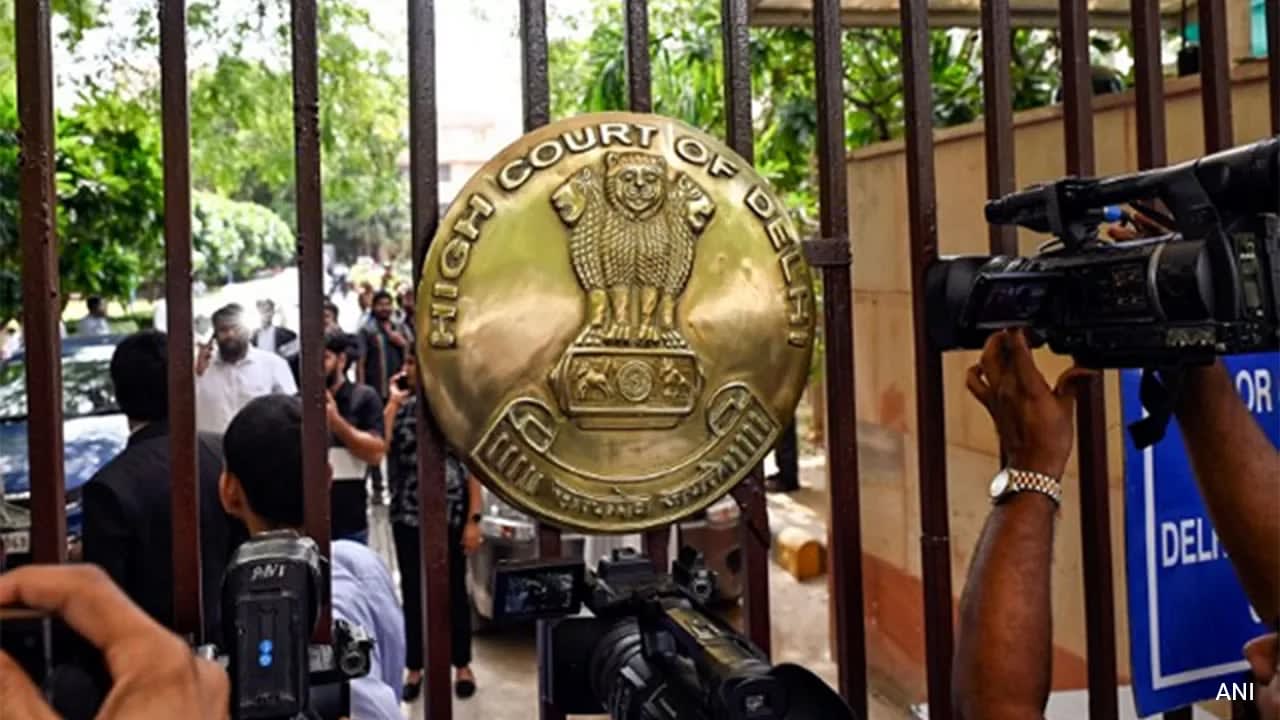
The Delhi High Court has ruled that marriage to an Indian citizen does not grant a foreigner an automatic right to reside in the country. Justice Amit Mahajan emphasized that visa issuance remains a matter of sovereign discretion, not an enforceable legal right.
Judicial Clarification on Foreign Residency Rights in India
In a recent legal development, the Delhi High Court has provided a definitive stance on the intersection of matrimonial relationships and immigration policy. Justice Amit Mahajan dismissed a plea filed by a United States citizen who sought to convert her tourist visa into a spouse visa following her marriage to an Indian national. The court’s ruling serves as a stark reminder that while marriage is a significant personal event, it does not override the sovereign authority of the state to regulate its borders and residency status.
The Principle of Sovereign Discretion
At the heart of the court's decision is the fundamental principle of sovereign discretion. Justice Mahajan articulated that the entry and stay of a foreign national in India are not matters of an enforceable right against the state. This legal interpretation underscores that immigration is a privilege granted by the government rather than a constitutional guarantee available to non-citizens, regardless of their marital ties to Indian residents.
Implications of Visa Categorization
For many international couples, the complexities of visa categories can often seem like mere bureaucratic hurdles. However, the Delhi High Court’s ruling clarifies that the state maintains the prerogative to enforce specific visa conditions. By insisting that a foreign national cannot demand a particular visa category based solely on marriage, the court has reinforced the integrity of India's visa framework, which is designed to manage the flow of individuals based on specific, pre-determined criteria rather than personal circumstances.
Legal Precedents and Regulatory Frameworks
Historically, immigration laws globally have often struggled to balance humanitarian considerations—such as the right to family life—with national security and border control policies. The Delhi High Court’s observation aligns with the broader legal doctrine that international borders are governed by national law. By denying the petitioner's request, the court has maintained a consistent application of the law, ensuring that administrative procedures for visa conversion are not bypassed through litigation.
Future Trends in Immigration Policy
This ruling provides a clear signal to foreign nationals regarding the limitations of residency claims in India. As global mobility increases, courts are likely to continue upholding strict adherence to established visa guidelines. Prospective applicants for residency based on marriage should note that such status is subject to rigorous regulatory review and the state's ultimate discretion, rather than being an automatic outcome of a legal union.
Conclusion
Ultimately, the Delhi High Court’s decision emphasizes that individual relationships do not automatically confer state-level residency rights. The case serves as an essential reference point for understanding the limits of judicial intervention in immigration matters, affirming that the sovereign authority to determine who may reside within the country remains firmly with the state.
Verification Required?