Telangana’s district with deepest groundwater levels announces restrictions on borewell drilling
Source Entity
India Latest News: Top National Headlines Today & Breaking News | The Hindu
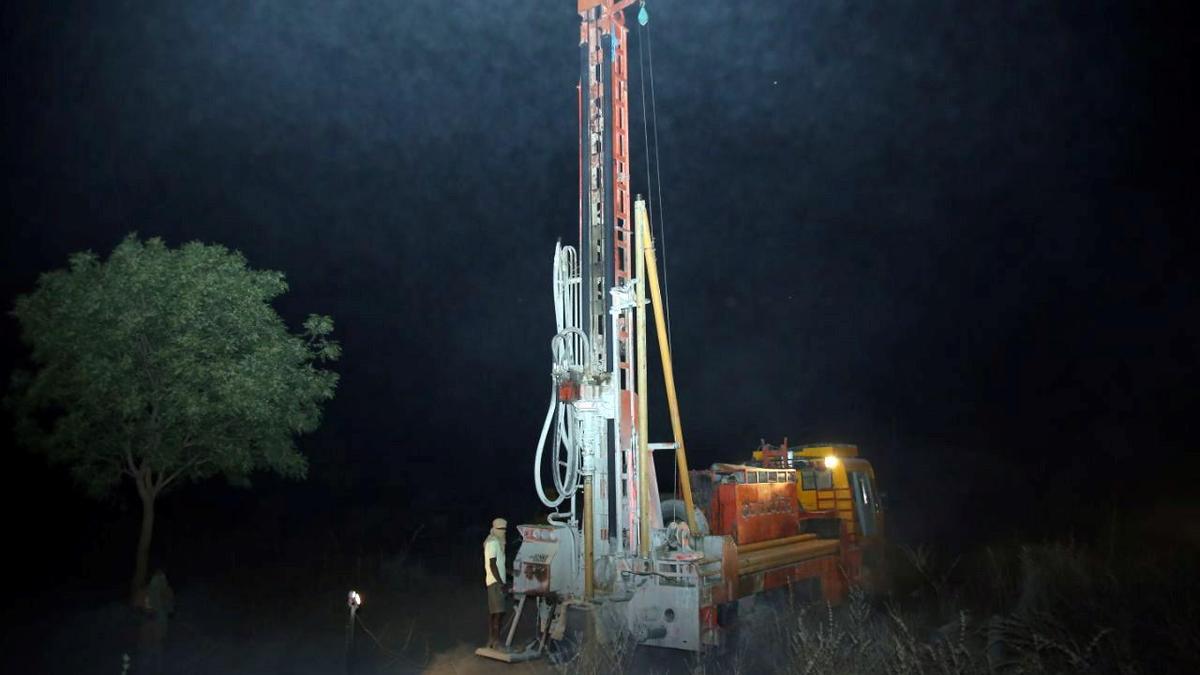
Vikarabad district in Telangana has imposed strict regulations on new borewell drilling following a sharp decline in groundwater levels. The decision follows a 36% rainfall deficit that has pushed local water tables to critical depths.
The Water Crisis in Vikarabad: A Deep Dive
The district of Vikarabad in Telangana is currently facing a severe hydrological crisis, marked by an alarming drop in its groundwater table. As of October 2026, the district recorded the deepest groundwater levels in the region, with averages plummeting from 11.96 meters below ground level (m bgl) in September to 13.54 m bgl just one month later. This rapid depletion highlights the fragility of local aquifers when faced with climatic stressors.
The Impact of Rainfall Deficit
The primary driver behind this environmental strain is a significant rainfall deficit. Between June and October, Vikarabad experienced a 36% shortfall in expected precipitation. This lack of monsoon recharge has left the district in a drought-prone state, with some localized areas witnessing groundwater depths exceeding 20 m bgl. This data, provided by the Telangana Ground Water Department, underscores the urgent need for intervention to prevent total aquifer exhaustion.
Regulatory Measures and Enforcement
In response to these critical levels, the District Collector has mandated strict restrictions on the drilling of new borewells for both agricultural and domestic use. To regulate extraction, the administration has introduced a mandatory scientific clearance process. Residents and farmers must now seek formal permissions through the MeeSeva portal, ensuring that any new water extraction is scrutinized for its impact on the local water table.
Legal Framework: The WALTA Act
The administration is leveraging the Water, Land and Trees Act (WALTA) of 2002 to enforce these new mandates. By codifying these restrictions, the government has established a legal pathway to penalize unauthorized drilling. This move serves as a deterrent against the unchecked exploitation of groundwater, which has historically contributed to the rapid decline of water security in the region.
Broader Implications and Future Outlook
The situation in Vikarabad reflects a broader, systemic challenge facing arid and semi-arid regions in India. As climate patterns become increasingly erratic, the reliance on groundwater becomes both a necessity for survival and a catalyst for depletion. Future water management in Telangana will likely require a shift toward aggressive rainwater harvesting, artificial recharge structures, and a transition to less water-intensive crop cycles to mitigate the long-term impact of drought cycles.
Conclusion
The proactive stance taken by the Vikarabad district administration is a necessary step toward preserving essential water resources. By combining scientific oversight with strict legal enforcement under the WALTA framework, the district aims to stabilize its groundwater levels. However, the long-term sustainability of the region remains tied to overcoming the persistent rainfall deficits and managing the socio-economic demands of the local population.
Verification Required?