‘Collective amnesia, just like Dory…’: Baghaei rips into US over ‘dirty bomb,’ draws Iraq comparison
Source Entity
Latest News: Todays Latest News Headlines from India & World | Hindustan Times
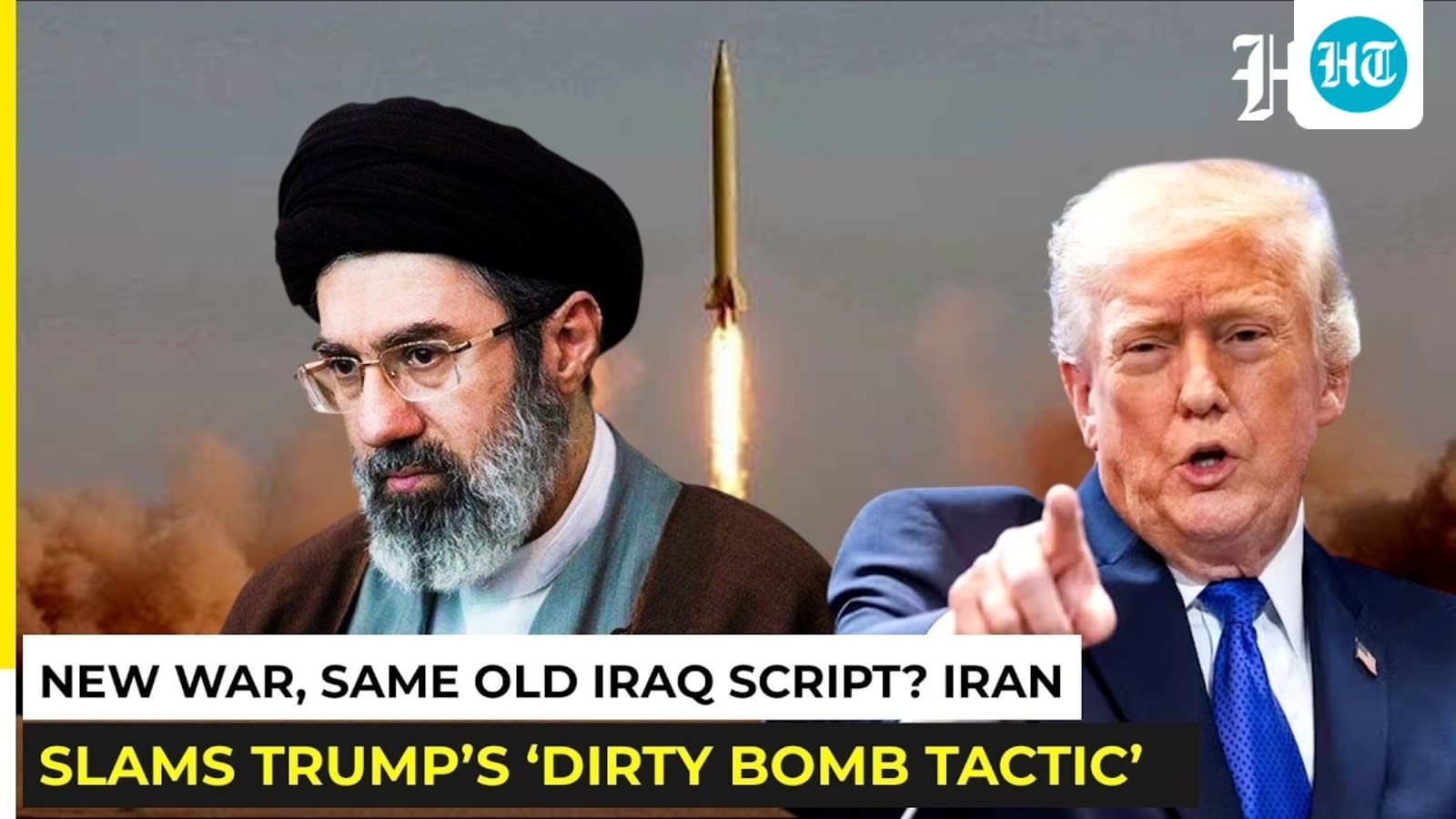
Iran has dismissed recent U.S. allegations regarding its development of chemical and biological weapons as unsubstantiated. Foreign Ministry spokesperson Esmaeil Baghaei drew parallels between these claims and the 2003 Iraq war narrative to highlight skepticism over U.S. motives.
Iran Rejects U.S. Allegations of WMD Development
In a sharp diplomatic rebuke, Iran has officially rejected recent claims by U.S. President Donald Trump alleging that Tehran is actively developing chemical and biological weapons. Foreign Ministry spokesperson Esmaeil Baghaei characterized these accusations as entirely "unsubstantiated," signaling a hardening of rhetoric between the two nations. This exchange occurs against a backdrop of intensifying international scrutiny regarding Iran's nuclear and military ambitions.
The Shadow of 2003: Historical Parallels
Baghaei’s response notably invoked the historical precedent of the 2003 U.S.-led invasion of Iraq. By comparing current U.S. assertions to the intelligence regarding weapons of mass destruction (WMD) that preceded the Iraq war, the Iranian spokesperson is attempting to undermine the credibility of Washington's current narrative. This rhetorical strategy serves to frame the U.S. accusations not as new evidence, but as a recycled geopolitical playbook intended to justify future intervention or economic pressure.
Global Diplomatic Maneuvering
The tension escalated following President Trump’s recent meetings with Chinese President Xi Jinping and Russian President Vladimir Putin. During these high-level summits, Trump reaffirmed his administration's commitment to preventing Iran from acquiring nuclear capabilities. By bringing these issues to the forefront of discussions with global superpowers, the U.S. is seeking to consolidate a unified international stance against Iran's alleged programs, despite the skepticism voiced by Tehran.
Strategic Implications and Future Trends
This cycle of accusation and denial suggests that Iran is preparing for a sustained diplomatic and media campaign to challenge U.S. foreign policy narratives. By utilizing the "collective amnesia" argument, Tehran is appealing to international audiences who remain wary of previous U.S. justifications for military action in the Middle East. The effectiveness of this strategy will depend on whether global powers, specifically China and Russia, choose to align with the U.S. position or maintain their current stance of cautious engagement with Iran.
Conclusion: A Cycle of Escalation
As Washington continues to build its case against Tehran, the risk of miscalculation remains high. The reliance on historical comparisons highlights the deep-seated distrust defining modern U.S.-Iran relations. Moving forward, the international community will be watching closely to see if these unsubstantiated allegations evolve into concrete policy shifts, such as new sanctions or military posturing, or if they remain a component of the ongoing war of words between the two nations.
Verification Required?