Trump holds talks separately with Putin and Xi ahead of their historic trilateral meeting
Source Entity
US Top News and Analysis
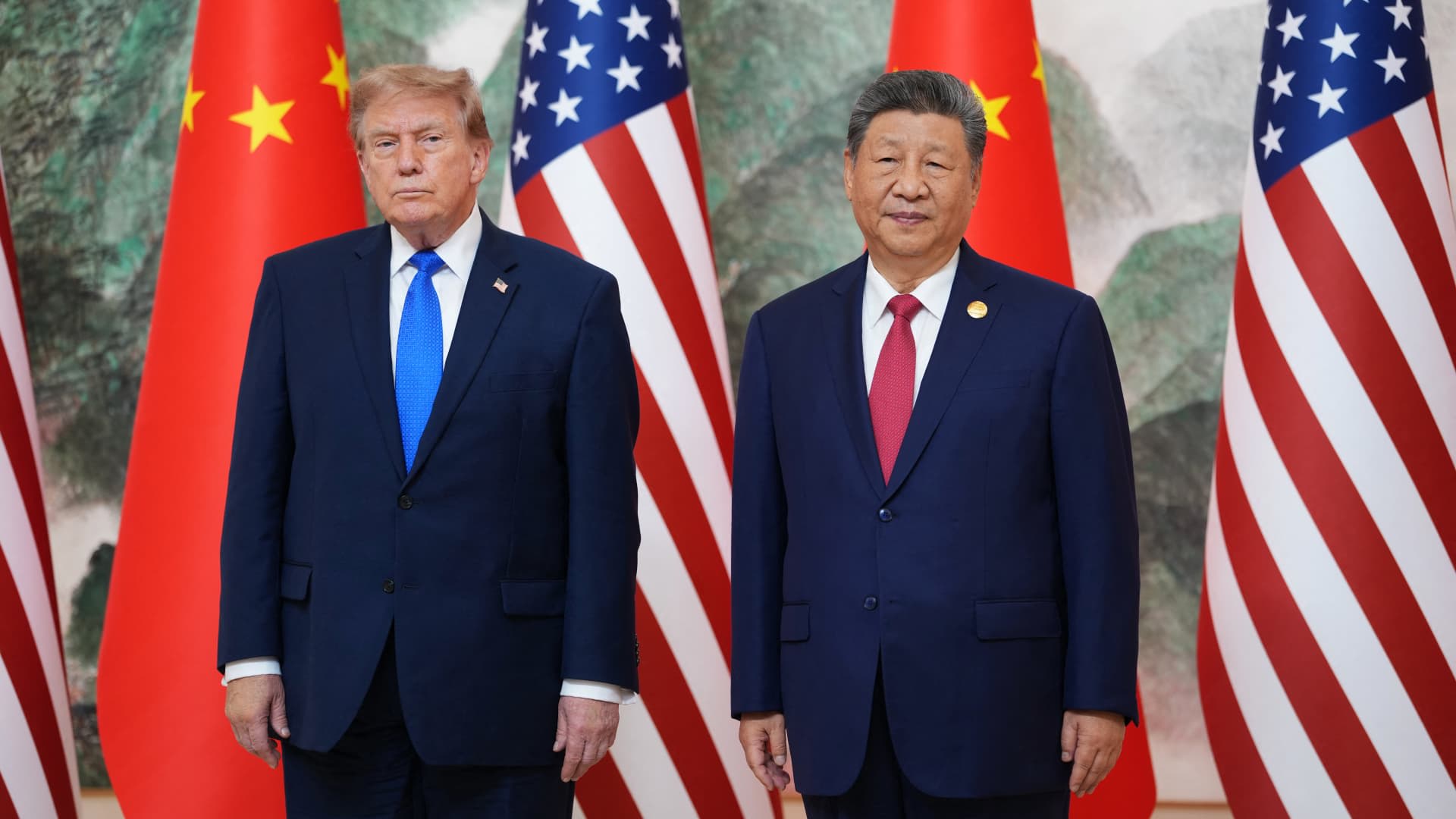
US, Chinese, and Russian leaders are convening in Shenzhen for a high-stakes trilateral summit focused on nuclear arms control and ending ongoing conflicts. The meeting aims to address significant geopolitical friction, including trade disputes, tech rivalries, and the stability of global energy markets.
A New Global Architecture: The Shenzhen Trilateral Summit
In a historic diplomatic development, US President Donald Trump, Chinese President Xi Jinping, and Russian President Vladimir Putin have gathered in Shenzhen, China, coinciding with the APEC Economic Leaders Summit. This high-stakes meeting represents a potential turning point in international relations, reminiscent of the mid-20th-century conferences that defined the post-war era. As these three global powers convene, the primary objective is to navigate a volatile landscape characterized by nuclear proliferation risks, active military conflicts, and deep-seated economic rivalries.
The Nuclear Imperative
A central pillar of the Shenzhen agenda is the push for a tripartite nuclear arms control framework. President Trump has identified the containment of nuclear expansion as a top priority, seeking to bring Moscow and Beijing into a collaborative dialogue. Historically, nuclear treaties were largely bilateral between the US and the Soviet Union; however, the current strategic environment necessitates a broader inclusion of China. Achieving a consensus on limiting nuclear capabilities remains an immense challenge, given the divergent national security interests and the varying levels of nuclear stockpiles held by the three nations.
Navigating Conflicts: Ukraine and Iran
The summit is set against the backdrop of two major global conflicts: the ongoing war in Ukraine and the nine-month-old war in Iran. The latter has significantly impacted global energy markets, creating economic pressure that transcends regional borders. The leaders are tasked with determining whether they can leverage their collective influence to broker a path toward de-escalation. The success of these negotiations could determine the stability of the global energy supply and the future trajectory of regional security in both Eastern Europe and the Middle East.
Economic and Technological Friction
Beyond military concerns, the summit addresses the complex web of trade tensions and technological competition. Washington’s recent scrutiny of Nvidia’s chip sales to China highlights the intensifying 'AI race' and the broader struggle for technological hegemony. These trade disputes are not merely economic; they are deeply intertwined with national security, as the control over semiconductor supply chains becomes a critical strategic asset. The Shenzhen meeting serves as a pressure valve for these tensions, though a long-term resolution remains elusive.
Geopolitical Realignment
The meeting also occurs amidst a broader shift in Asia-Pacific relations, including escalating tensions between China and Japan. The presence of these three leaders in Shenzhen underscores the reality that global order is no longer defined by a single hegemon, but by a competitive, multipolar dynamic. The personal relationships cultivated between Trump, Xi, and Putin will be tested against the immovable weight of their respective strategic interests, as the world watches to see if this summit will stabilize or further clarify the lines of the new global order.
Concluding Outlook
As the APEC summit concludes, the world remains focused on whether the dialogue in Shenzhen will yield concrete policy shifts or remain largely symbolic. While the challenges—ranging from nuclear disarmament to the resolution of active wars—are profound, the very act of these leaders convening is a significant admission that no single power can resolve the world's most pressing issues in isolation. The future of global diplomacy may well hinge on the outcomes of these high-level discussions.
Multiple Citing Sources