Vincent Van Gogh's 1890 Painting Sells For $190.4 Million
Source Entity
NDTV News Search Records Found 1000
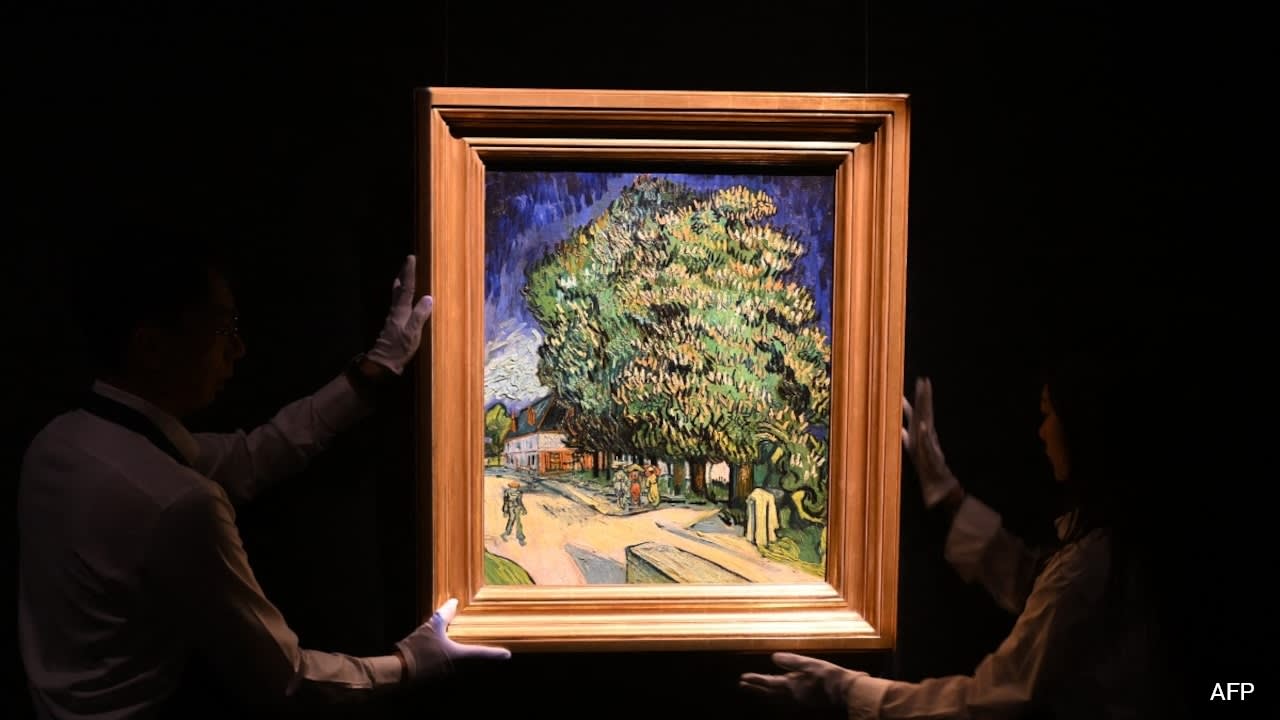
Vincent van Gogh's 1890 masterpiece 'Chestnut Trees in Blossom' has set a new record, selling for $190.4 million at a Sotheby's auction. The sale follows a resolved ownership dispute involving the heirs of a Jewish owner who sold the work during the Nazi era.
A Historic Auction Achievement
The art world witnessed a momentous event as Vincent van Gogh’s 1890 masterpiece, Châtaigniers en fleurs (Chestnut Trees in Blossom), commanded an extraordinary $190.4 million at a Sotheby’s Evening Sale in New York. This staggering figure establishes a new record for the Dutch post-impressionist, underscoring the enduring and escalating market value of his late-period works. The sale serves as a definitive indicator of the immense appetite among global collectors for rare, historically significant pieces.
Artistic Context and Timing
Painted in May 1890, Chestnut Trees in Blossom is particularly significant because it was created shortly after Van Gogh’s release from a psychiatric asylum. This period in the artist's life was marked by intense creative output and emotional volatility. The vibrancy of the work captures a fleeting moment of spring, reflecting the artist’s unique ability to translate his subjective experiences of nature into bold, evocative brushwork that continues to resonate with modern audiences over a century later.
Resolving a Difficult Provenance
Beyond its aesthetic merit, the painting’s journey to the auction block was defined by legal and historical complexity. The sale was contingent upon the successful settlement of a long-standing dispute between the Blaquier-Arrieta family—the sellers who held the painting for over fifty years—and the heirs of Samuel Fischer. Fischer, a prominent German publisher, had acquired the work in 1909 before his family was forced to sell it in 1936 during the Nazi era.
Ethical Implications in the Art Market
This transaction highlights the critical importance of provenance research in the contemporary art market. The resolution of the claim regarding the 1936 sale emphasizes the industry's increasing commitment to addressing historical injustices related to Nazi-looted art. By ensuring a transparent settlement before the public auction, the involved parties have set a precedent for how high-value assets with complex, sensitive histories should be handled to ensure legal and moral clarity.
Future Market Trends
This record-breaking sale signals a robust future for the high-end art market, particularly for works by blue-chip masters. As historical provenance becomes a standard pillar of valuation, we can expect future auctions to feature more stringent vetting processes. The $190.4 million price tag also suggests that despite global economic fluctuations, masterpieces with impeccable, resolved histories will remain highly sought-after, solidified as reliable assets for institutional and private collectors alike.
Conclusion
The sale of Chestnut Trees in Blossom is more than just a financial milestone; it is a convergence of art history, human rights, and market dynamics. By securing a record price while simultaneously settling a dark chapter of the painting's past, the auction house and the involved families have provided a sense of closure to a storied object. This event will likely be studied by art historians and legal experts for years to come as a model for navigating the intersection of heritage and commerce.
Multiple Citing Sources
Verification Required?