Muhammad Yunus' ancestral home set on fire in Bangladesh amid ‘lockdown’ call by Sheikh Hasina's Awami League
Source Entity
Latest News: Todays Latest News Headlines from India & World | Hindustan Times
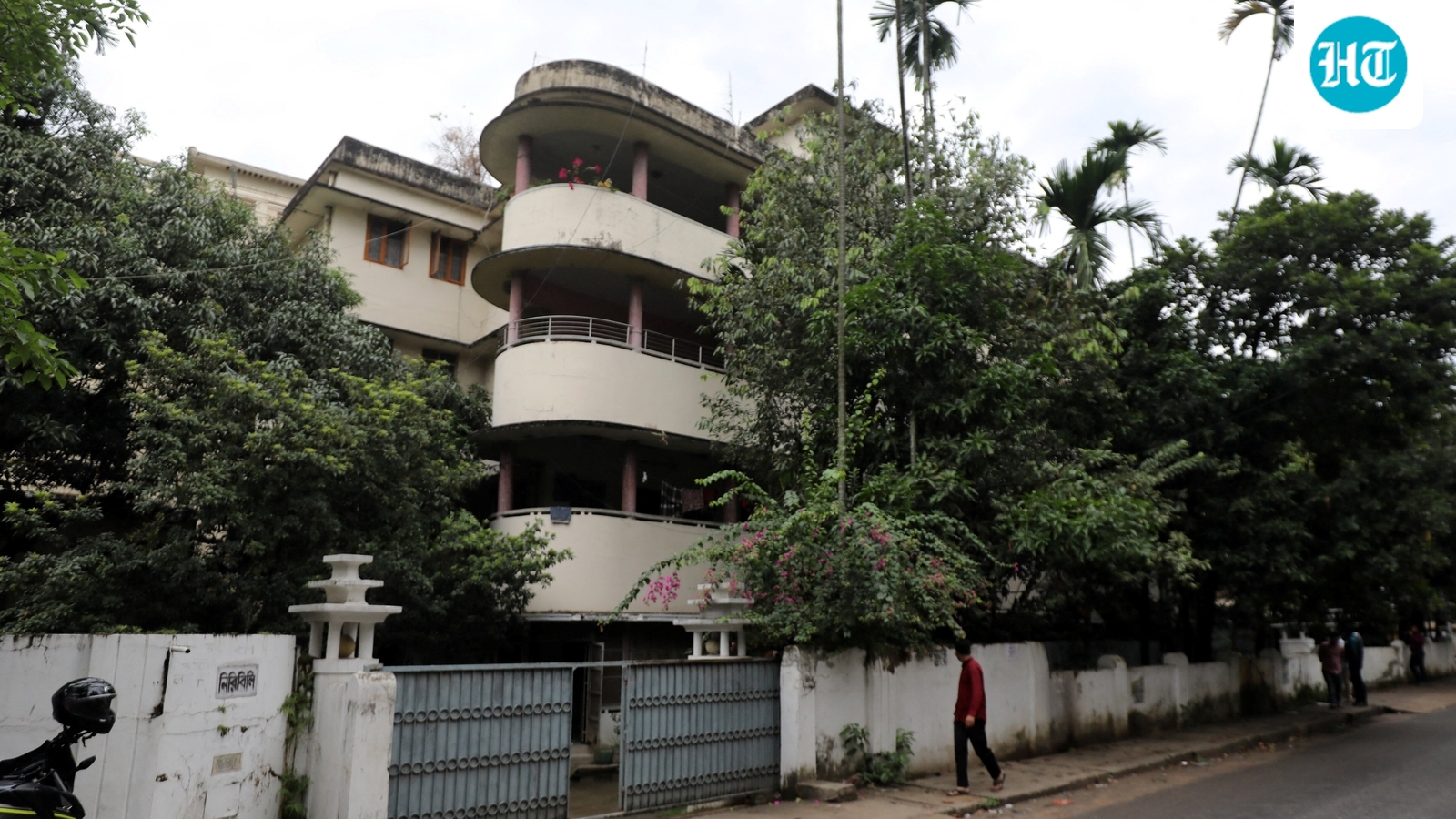
Bangladesh faces escalating political unrest following a 'lockdown' call by the Awami League, resulting in arson attacks on Muhammad Yunus's ancestral home and Grameen Bank branches. Security forces are struggling to contain the violence as IED blasts and vandalism plague the capital and other regions.
The Escalation of Political Unrest in Bangladesh
Bangladesh is currently grappling with a volatile security situation characterized by targeted arson and explosive attacks. The recent torching of the ancestral home of former interim government chief Muhammad Yunus in Chattogram, alongside synchronized attacks on multiple Grameen Bank branches, marks a significant escalation in the nation's ongoing political turmoil. These events occurred against the backdrop of a controversial 'lockdown' call issued by the banned Awami League, the party formerly led by ousted Prime Minister Sheikh Hasina.
The Anatomy of the Attacks
The attack on Yunus's residence in the Panchlaish area of Chattogram involved unidentified arsonists targeting an unused ground-floor room. While local police and reports from outlets like Prothom Alo confirm that the residents—the families of Yunus's brothers—remained on the upper floors, the symbolic nature of the assault on his property is clear. This incident was not isolated; it coincided with a series of improvised explosive device (IED) blasts in Dhaka, demonstrating a level of coordination that suggests a deliberate attempt to destabilize the nation’s administrative centers despite heightened security protocols.
The Awami League's Role and Political Tensions
The unrest is deeply rooted in the current political vacuum and the potential return of former Prime Minister Sheikh Hasina. The Awami League’s 'lockdown' call served as a catalyst for widespread civil disobedience and violence. By targeting institutions associated with Muhammad Yunus, such as the Grameen Bank, actors appear to be striking at the foundational symbols of the current interim governance structure. This strategy of attacking both personal residences and public financial institutions reflects a broader campaign to erode public confidence in the interim authorities.
Security Challenges and Public Safety
Despite stepped-up security deployments across Dhaka, the perpetrators successfully executed multiple IED attacks, indicating a significant challenge for law enforcement. The resulting injuries to at least four individuals underscore the physical danger posed to citizens during this period of high-stakes political maneuvering. The police force, currently tasked with maintaining order in a climate of intense polarization, is struggling to preempt these sporadic but devastating acts of arson and vandalism.
Historical Context and Future Implications
This cycle of violence reflects the fragile state of Bangladesh’s transition period. The targeting of Muhammad Yunus, a Nobel laureate and a figurehead of the interim governance, suggests that the political divide remains entrenched. If these patterns of arson and IED usage continue, the nation risks entering a protracted phase of instability that could deter investment and undermine civil society. The ability of the current administration to restore order and address the grievances fueling these 'lockdown' protests will be the ultimate test of their legitimacy and control over the state apparatus.
Conclusion
The targeting of Muhammad Yunus’s ancestral home and the accompanying explosions in Dhaka serve as a grim indicator of Bangladesh's current volatility. As the nation navigates the repercussions of the Awami League's actions, the safety of its citizens and the stability of its institutions remain at high risk. The immediate future will likely depend on the effectiveness of security measures and the capacity of leadership to de-escalate the rhetoric that is currently fueling these violent manifestations of political dissent.
Verification Required?