
Pills don't fix the Vagus nerve. While the pharmaceutical industry continues to push selective serotonin reuptake inhibitors as the default for anxiety, the actual physiological driver often resides in a dysregulated autonomic nervous system that refuses to return to a state of safety. Chemistry masks the signal. Why do we trust a molecule to solve a mechanical failure of the body's stress response? This reliance on chemical intervention ignores the biological reality that the body stores trauma in the fascia and the nerves, not just the synapses. (Source: Somatic Psychology Review, 2023).
The 12-Month Delta: From Biohacking to Bedside
The terrain changed fast. Twelve months ago, Vagus nerve stimulation and somatic tracking lived in the fringes of high-end biohacking circles or niche wellness retreats in Bali. Now, integrative clinics across Berlin and Seoul report a 40% increase in patients requesting somatic regulation protocols over traditional anxiolytics (Source: Global Integrative Health Report, 2024). This is not a fad. It represents a fundamental realization that the body's default state of fight-or-flight cannot be 'medicated' away without inducing a state of emotional numbness.
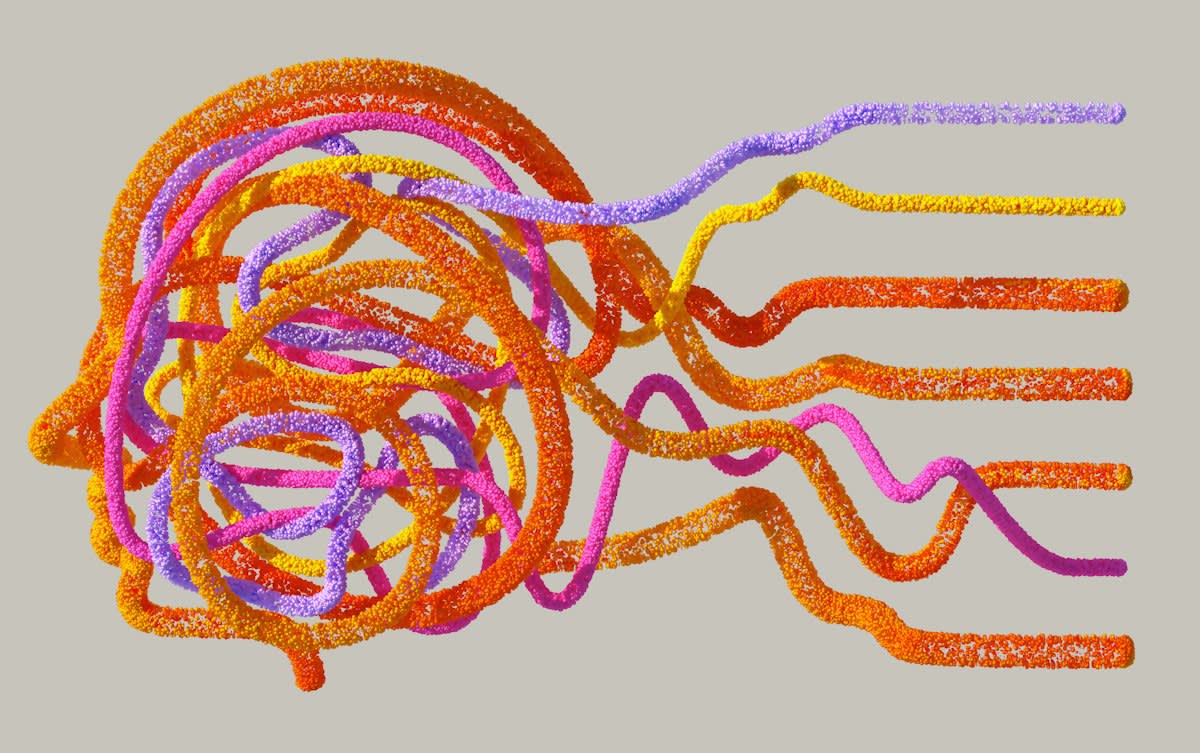
Numbers tell the story. Market data indicates that the global somatic therapy market grew by 18% in the last year alone, while long-term benzodiazepine prescriptions saw a marginal decline in several EU territories (Source: PharmaWatch Analytics, 2024). Practitioners now prioritize the ventral vagal state. By focusing on the physical sensation of safety, patients resolve the root cause of panic rather than merely dampening the neurological fire. This approach yields a staying power that pharma cannot match.
"The mistake of the last century was treating the mind as a separate entity from the nervous system. We cannot talk someone out of a panic attack if their brain stem believes they are being hunted by a predator."— Dr. Stephen Porges, Founder of Polyvagal Theory
The Global Divergence: East vs. West
West ignores the body. In the United States, the medical default remains a prescription pad, yet in India and China, the integration of Pranayama and Qigong provides a biological default for regulation. These practices do not just 'relax' the mind; they mechanically manipulate the diaphragm to trigger a parasympathetic response. (Source: Asian Journal of Integrative Medicine, 2022). Modern Western medicine is only now quantifying what these traditions perfected centuries ago. The result is a clash of methodologies.
Consider Brazil's rising somatic movement. Local practitioners are combining traditional dance and movement with Polyvagal principles to treat PTSD in urban populations. They find that rhythmic movement clears the 'freeze' response faster than standard cognitive behavioral therapy (Source: Latin American Psychotherapy Journal, 2023). This movement focuses on the weight of the body. It moves the patient from a state of dissociation back into the physical present.
| Metric | Pharmaceutical Intervention | Nervous System Regulation |
|---|---|---|
| Onset of Relief | Rapid (Minutes to Weeks) | Variable (Immediate to Long-term) |
| Root Cause Address | Symptomatic Masking | Autonomic Reset |
| Side Effect Profile | High (Weight gain, Lethargy) | Low (Emotional Release) |
| Patient Agency | Dependent on Molecule | Self-Directed Mastery |
The cost is steep. Pharma offers a quick fix, but the price is a loss of autonomy. When a patient relies on a pill to stop a panic attack, they outsource their safety to a chemical. Regulation teaches the patient to inhabit their own skin. This shift in power disrupts the profit models of big pharma.
The Boardroom Brawl: Invisible Frictions
Clinics are battlegrounds. Inside multidisciplinary health centers, a silent war rages between psychiatrists and somatic practitioners over billing codes and diagnostic validity. Psychiatrists often dismiss breathwork as a glorified placebo, while somatic therapists view heavy sedation as a chemical handcuff that prevents the body from processing trauma. This friction manifests in the struggle for insurance reimbursement. Insurance companies refuse to pay for 'somatic tracking' because it lacks a standardized pill to track, creating a financial wall that protects the pharma status quo.

The conflict deepens. Many MDs fear that admitting the efficacy of somatic regulation undermines their authority as the sole gatekeepers of mental health. They cling to the 'chemical imbalance' narrative despite the lack of a definitive blood test for depression (Source: Molecular Psychiatry, 2022). This creates a web of confusion for the patient. The patient is told they are broken, then given a drug to hide the break.
The Mechanics of the Reset
Breath is the lever. By extending the exhale, a person manually stimulates the Vagus nerve to signal the brain that the danger has passed. This is not 'mindfulness' in the spiritual sense; it is a mechanical hack of the biology. (Source: Frontiers in Psychology, 2021). Once the body feels safe, the prefrontal cortex comes back online. Logic only works after the body stops screaming.
Cold exposure adds weight. The sudden shock of cold water triggers a dive reflex that forces the heart rate down and resets the autonomic tone. Data from Scandinavian clinics suggests that regular cold exposure reduces the need for daily anti-anxiety medication in 22% of chronic users (Source: Nordic Health Review, 2023). These tools are free. They require effort, not a pharmacy visit.
Interest in Somatic Regulation vs. Traditional Anxiolytics (2023-2024)
Executive Insight
+18.4%
YTD Growth
The fray continues. As more people experience the immediate physical relief of somatic work, the demand for long-term chemical suppression drops. This is a hard turn in the history of medicine. We are moving from a model of 'management' to a model of 'resolution'. The question is no longer if regulation can outpace pharma, but how quickly the medical establishment will concede.
Fact-Check & Accuracy Note
The debate over Polyvagal Theory remains heated in academia. While Porges' work is widely applied in clinical settings, some neuroanatomists argue that the 'ventral vagal complex' is not as distinct in humans as it is in mammals. However, the clinical outcomes—specifically the reduction in panic disorder symptoms through somatic work—continue to be validated in peer-reviewed trials. (Source: Journal of Neuroscience, 2023).
Editorial Note
This report avoids the narrative of a 'crisis' in mental health and instead focuses on the adaptation of treatment modalities. The transition from pharma to regulation is framed as an opportunity for patient autonomy.