Is your hallmarked gold pure? IBJA flags rhenium adulteration and fake reports
Source Entity
TOI BUSINESS DESK
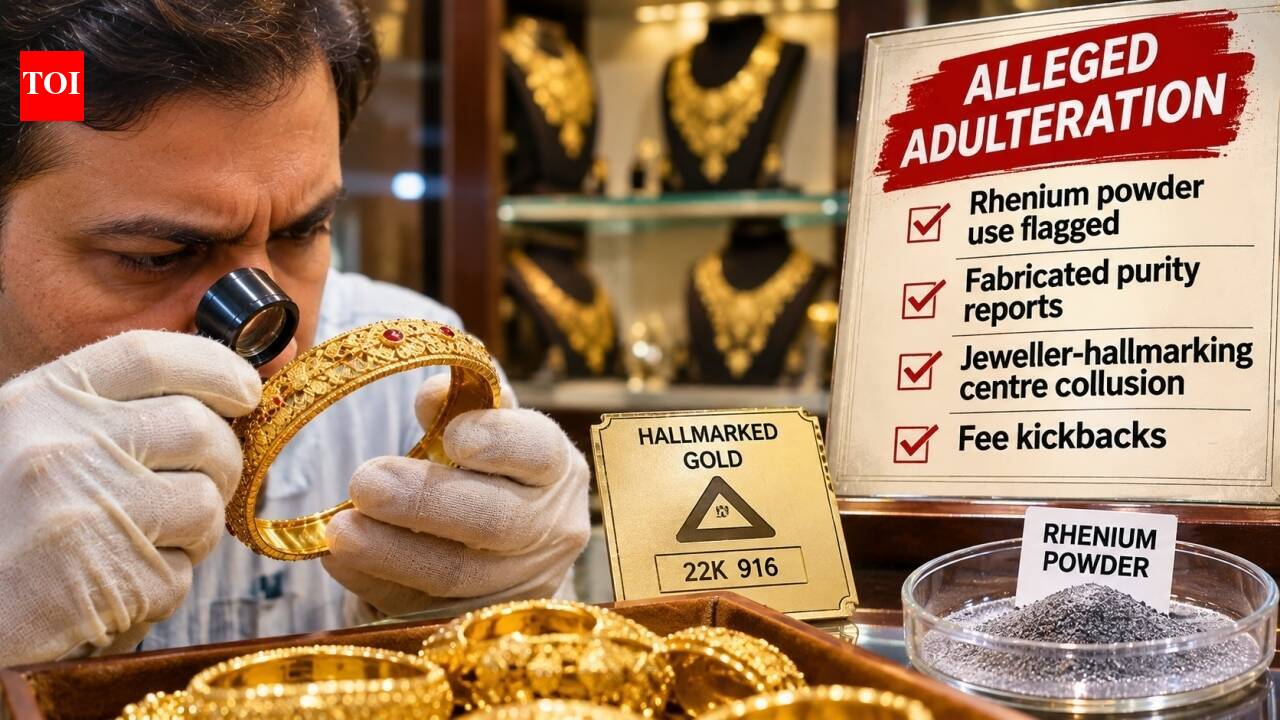
The India Bullion and Jewellers Association has alerted the Bureau of Indian Standards to potential gold adulteration using rhenium and widespread hallmarking irregularities. Authorities have scheduled a meeting for November 23 to address these critical concerns regarding consumer trust.
The Crisis of Confidence in India's Gold Market
Recent revelations from the India Bullion and Jewellers Association (IBJA) have sent ripples through the domestic gold market, casting significant doubt on the integrity of the Bureau of Indian Standards (BIS) hallmarking system. The core of the issue lies in allegations of sophisticated adulteration—specifically the use of rhenium to mimic the properties of gold—coupled with the circulation of fabricated purity reports. As gold prices fluctuate, these concerns transform from niche industry grievances into a major consumer protection crisis.
Unmasking the Adulteration Mechanism
The reported use of rhenium is particularly concerning due to its high melting point and density, which allows unscrupulous actors to bypass rudimentary testing methods. By embedding this metal into gold alloys, refiners can artificially inflate the weight and perceived value of jewellery. The involvement of the Gem & Jewellery Export Promotion Council in investigating these technical aspects underscores the gravity of the situation, as such malpractice threatens the global reputation of Indian jewellery exports and domestic retail standards.
Systemic Failures and HUID Discrepancies
The Hallmark Unique Identification (HUID) system was designed to provide a transparent digital trail for every piece of hallmarked gold. However, the IBJA’s representation to the BIS highlights critical discrepancies in the data displayed on the BIS Care app. These gaps suggest that the digital infrastructure intended to empower consumers is currently failing to provide accurate traceability, potentially allowing unregistered refiners to enter the supply chain and compromise the purity of the market.
The Nexus of Collusion and Compliance
Beyond technical adulteration, the industry is grappling with allegations of systemic collusion. The IBJA has pointed toward a dangerous nexus between unscrupulous jewellers and certain hallmarking centres. Reports of kickbacks linked to certification fees suggest that the regulatory gatekeepers may be incentivized to look the other way. This erosion of the 'checks and balances' framework is what allows fabricated purity reports to proliferate, effectively neutralizing the safety net that the BIS hallmarking certification was meant to provide.
Regulatory Response and Future Outlook
The Bureau of Indian Standards has acknowledged the urgency of these claims by convening a high-level meeting scheduled for November 23. This session is critical for the future of gold regulation in India. If the BIS cannot successfully enforce stricter oversight and audit the operations of both refiners and hallmarking centres, the credibility of the entire hallmarking ecosystem risks total collapse. Moving forward, the industry may require more robust, technology-driven assaying processes and harsher penalties for entities found facilitating these fraudulent activities to restore buyer confidence.