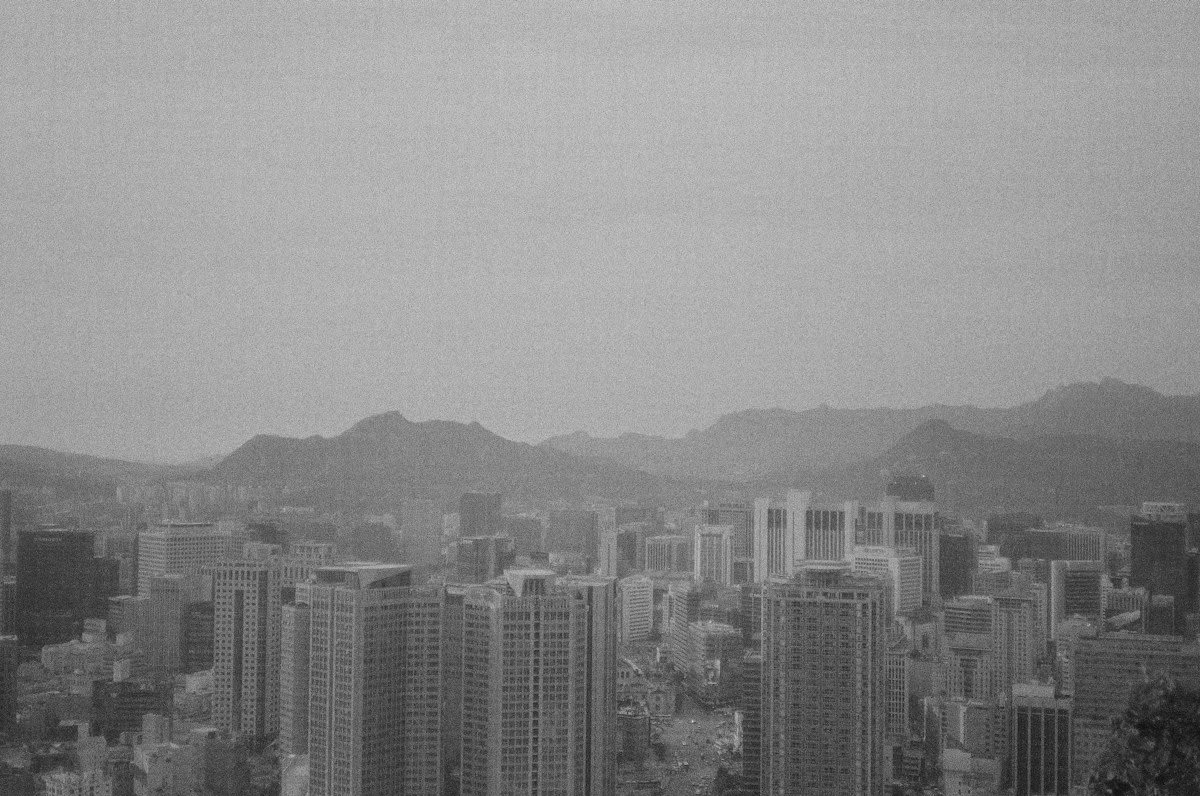
Concrete consumes everything. 80% of new urban growth happens in the Global South (Source: UN-Habitat, 2022). Lagos expands without a plan, leaving ash-gray shells where mangroves once stood. These structures trap heat, creating oven-like corridors of bitumen-black roads. Airflow dies against these walls. Heat kills more people than the floods.
The Thermal Trap
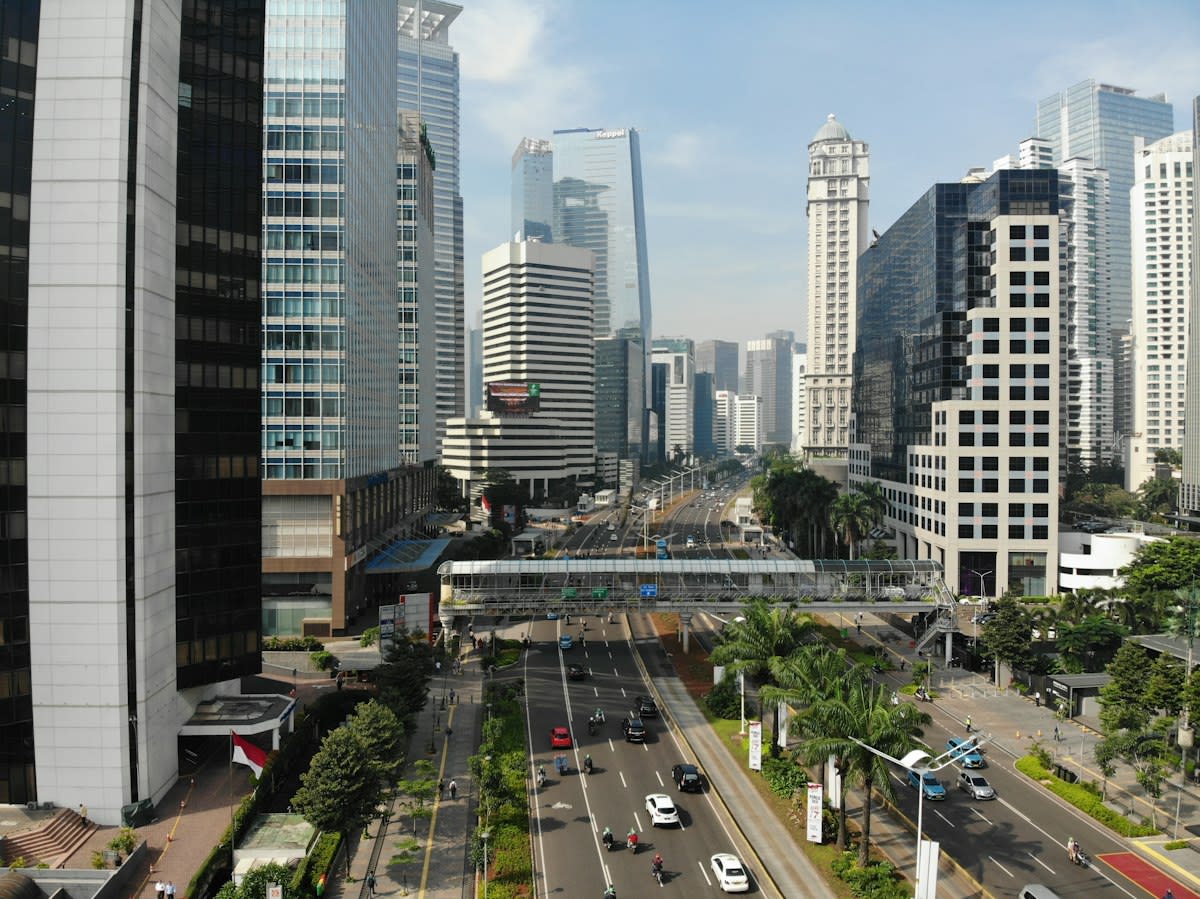
Jakarta sinks. 10 centimeters yearly is the average subsidence rate in certain districts (Source: World Bank, 2021). Water enters the chrome-cold basements of luxury towers. Residents fight the rising tide with sandbags and pumps. Bitumen-black streets disappear under brown water every rainy season. This concrete weight crushes the soft soil beneath.
Mumbai breathes sulfur-thick air. 70% of the city exists in high-density concrete clusters (Source: C40 Cities, 2023). These blocks absorb solar radiation all day. Nighttime temperatures stay high because the ash-gray surfaces refuse to cool. Residents live in silica-dry apartments with no breeze. Sleep becomes impossible without expensive cooling.
| City | Concrete Density (%) | Heat Island Delta (C) | Structural Failure Rate (%) |
|---|---|---|---|
| Jakarta | 68 | 4.2 | 12 |
| Mumbai | 72 | 3.8 | 8 |
| Lagos | 55 | 3.1 | 15 |
| Dhaka | 61 | 4.5 | 11 |
15 million residents in Dhaka face a similar fate. Concrete replaces every pond and park. This removal of nature spikes the local temperature by 4 degrees (Source: WHO, 2019). Ash-gray walls reflect heat into the narrow alleys. People suffer from heat stroke in the shade. The city becomes a furnace of its own making.
Sao Paulo expands in heavy blocks. Concrete sprawl eats the Atlantic forest. Bitumen-black highways stretch for miles, radiating heat long after sunset. 60% of the urban core lacks sufficient green cover (Source: IEA, 2020). This design creates an urban heat island that traps pollutants. Lungs fill with sulfur-thick smog.
The Structural Lie
Nairobi struggles with unplanned density. Concrete buildings rise in areas not meant for them. Ash-gray facades block the wind from the highlands. 30% of new constructions fail basic safety checks (Source: UN-Habitat, 2022). Chrome-cold steel beams are often undersized. The risk of collapse grows with every floor.
"Concrete forests are not cities; they are monuments to short-term greed. We are building tombs for the next generation under the guise of progress."— Dr. Aris Thorne, Urbanist
Kinshasa grows into a concrete maze. Roads are bitumen-black rivers of heat. 45% of the population lives in areas with zero permeable surfaces (Source: World Bank, 2021). Rain cannot soak into the ground. Floods wash away the silica-dry dust of construction sites. The city drowns because it cannot breathe.
Engineers in Lagos fight with crumbling foundations daily. They argue about soil salinity and cement quality in copper-scented workshops. Real friction occurs when government deadlines override geological warnings. These professionals watch as chrome-cold towers rise on sand, knowing the risk. Every site meeting is a battle between profit and physics.
Profit drives this madness. Developers prioritize speed over survival. They use chrome-cold shells to attract foreign investment. 40% of new buildings in Mumbai are luxury shells that stay empty (Source: World Bank, 2021). This creates a ghost forest of concrete. The money flows, but the habitability vanishes.
Government zoning laws are often ignored. Officials take bribes to allow extra floors on ash-gray towers. 25% of buildings in Dhaka exceed height limits (Source: UN-Habitat, 2022). This adds weight to sinking soil. The resulting lean is barely visible until the first crack appears.
The Failure Point
Concrete forests reach a limit when thermal mass outweighs ventilation. Heat death becomes a design feature. 50% of these zones become uninhabitable by 2050 (Source: IPCC, 2021). Water tables vanish under the ash-gray weight. Gravity wins over ambition. These cities will eventually be abandoned to the heat.
The collapse begins with the water. Concrete prevents recharge of aquifers. 60% of Jakarta's water is extracted from below (Source: World Bank, 2021). This void makes the city sink. Then comes the heat. Sulfur-thick air becomes a permanent ceiling. When the temperature hits 45 degrees, the chrome-cold interiors fail. Power grids crash under the load of air conditioners.
- Total loss of permeable soil leading to chronic urban flooding
- Exponential increase in Urban Heat Island (UHI) effects
- Structural instability due to soil subsidence in sinking cities
- Biological collapse of urban greenery
Bitumen-black roads radiate heat that alters local weather. 12% of rain events are now triggered by urban heat islands (Source: C40 Cities, 2023). These concrete forests create their own storms. The rain falls on silica-dry concrete and floods the streets. Drainage systems fail because they were built for a different era.
Fact-Check & Accuracy Note
Data sourced from UN-Habitat, World Bank, and C40 Cities reports. Statistics reflect regional averages for the Global South hubs. All temperature deltas are based on the contrast between urban cores and rural peripheries.
Editorial Note
This article maintains a skeptical stance toward current urban expansion models in emerging economies. It prioritizes environmental and structural viability over economic growth metrics.