California restored grazing land to tidal marsh; bird density jumped over 12,000%
Source Entity
TOI SCIENCE DESK
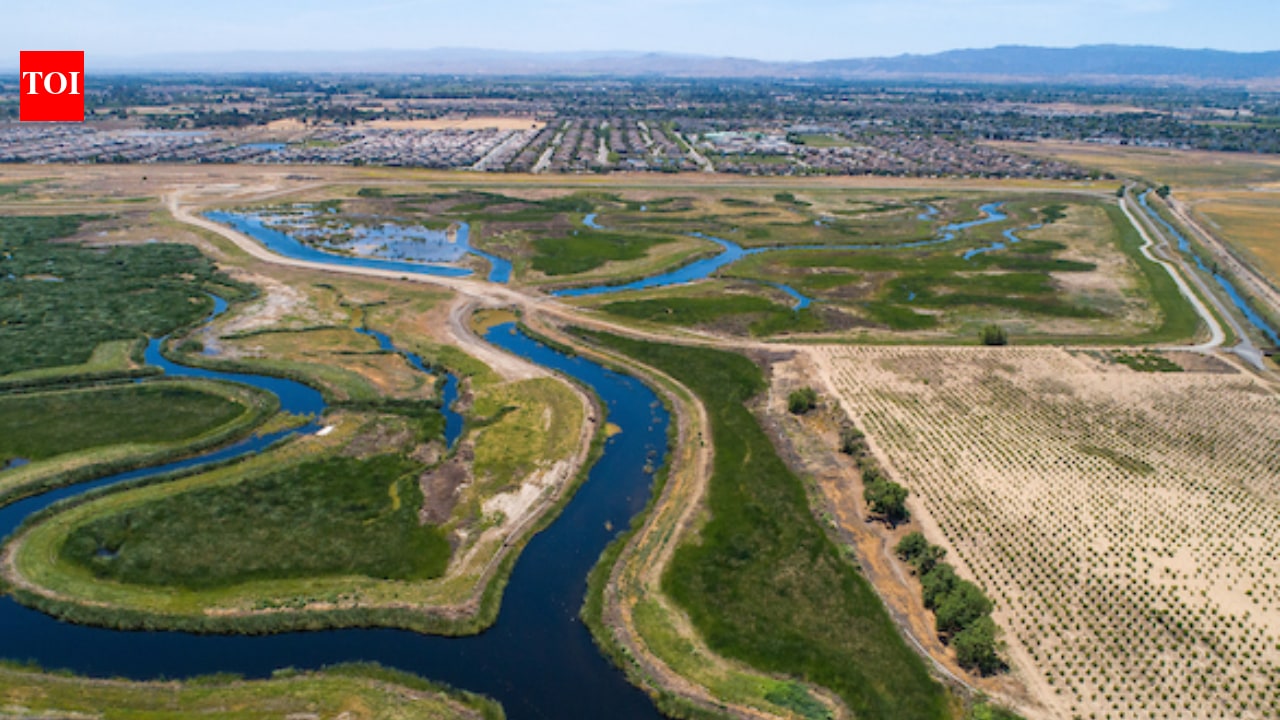
California's Dutch Slough restoration project has successfully transformed former grazing land into a thriving tidal marsh. Research confirms a massive surge in bird populations, particularly Marsh Wrens, highlighting the efficacy of ecological rewilding.
The Resurgence of the Dutch Slough Wetlands
California’s ambitious initiative to revive the Dutch Slough wetlands in the Sacramento–San Joaquin Delta represents a landmark achievement in ecological restoration. By converting former agricultural terrain—specifically land previously used for grazing—back into functioning tidal marshes, the state has successfully re-established a critical habitat that had been lost to human development. This process involved the dual strategy of reinstating natural tidal flows and reintroducing indigenous plant species, effectively resetting the landscape to its pre-agricultural state.
Documenting Avian Recovery
According to research published in the journal Restoration Ecology on June 8, 2026, the transformation has yielded immediate biological dividends. Jason Riggio and his team of researchers tracked avian population shifts between 2020 and 2025, revealing a staggering increase in the density of marsh-dwelling species. Most notably, the Marsh Wren population experienced a massive resurgence, with data indicating a density jump of over 12,000%. This rapid response underscores the resilience of native species when provided with the necessary environmental scaffolding.
Shifting Biodiversity Dynamics
While the project has been a categorical success for many species, the ecological transition has not been uniform. Restoration efforts inherently alter the landscape's carrying capacity, leading to a shift in which bird species thrive. The study observed that while some specific species experienced a decline as the environment transitioned from pasture to marsh, the overall avian diversity saw a marked improvement. This suggests that the restoration of tidal hydrology creates a more complex and robust ecosystem capable of supporting a higher volume of life than the simplified agricultural lands that preceded it.
Implications for Future Restoration Projects
These findings are significant for environmental planners and policymakers globally. By proving that degraded landscapes can be returned to high-functioning states within a relatively short timeframe—a few years, in this instance—the Dutch Slough project provides a replicable model for climate adaptation. The success of the California Department of Water Resources (DWR) demonstrates that proactive intervention in water-starved or modified landscapes can effectively buffer against habitat loss.
A Model for Ecological Resilience
Looking forward, the success at Dutch Slough serves as a vital case study for future conservation efforts. As climate change threatens coastal and inland water systems, the ability to restore tidal marshes will be crucial for maintaining biodiversity and managing water quality. The data gathered from 2020 to 2025 provides a clear roadmap for how strategic land management can reverse historical environmental degradation, ensuring that future restoration projects are grounded in proven, data-driven methodologies.