Visakhapatnam’s air breached national standard on 259 of 382 days; data show winter brings the worst
Source Entity
India Latest News: Top National Headlines Today & Breaking News | The Hindu
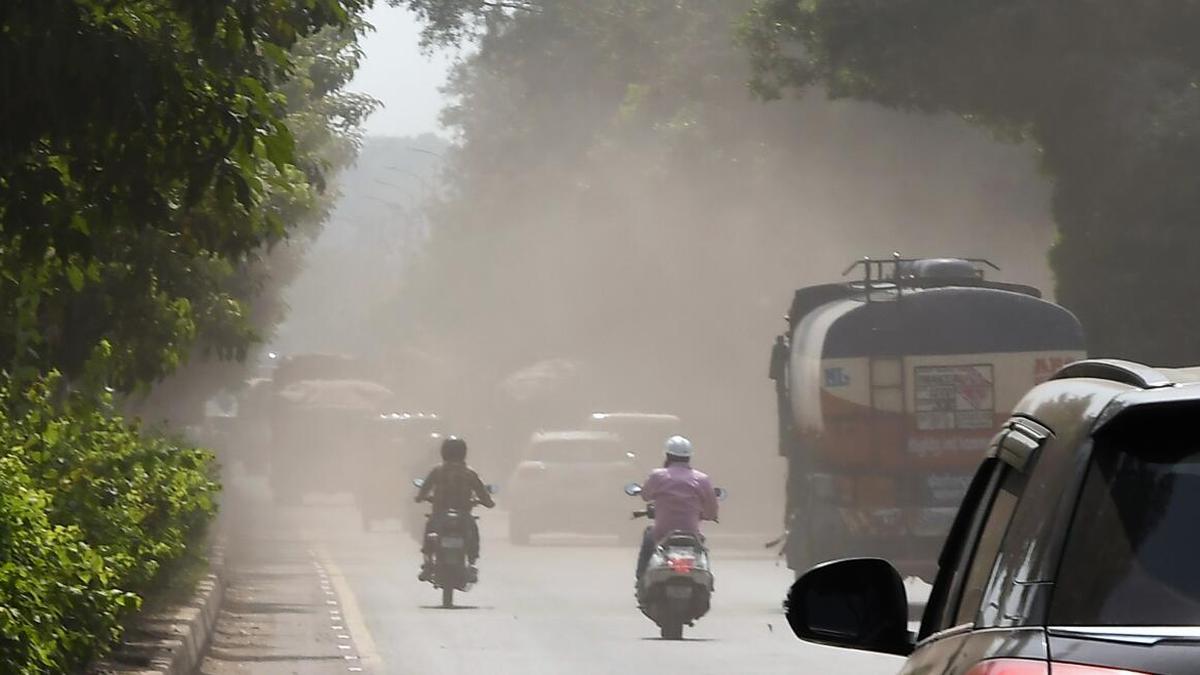
Visakhapatnam is facing a severe air quality crisis, with all monitoring stations breaching PM10 limits over a year. The Andhra Pradesh Pollution Control Board has levied ₹16.33 crore in fines against ten industrial violators.
The Air Quality Crisis in Visakhapatnam: A Deep Dive
Industrial Accountability and Environmental Compliance
The Andhra Pradesh Pollution Control Board (APPCB) has taken decisive action by imposing environmental compensation totaling ₹16.33 crore on 10 industrial entities in Visakhapatnam. This move underscores a critical shift toward stricter enforcement of environmental norms. By targeting industries that consistently violate pollution control standards, the Board is attempting to curb the industrial emissions that contribute significantly to the city's deteriorating air quality.
The Anatomy of the Pollution Spike
Data spanning from September 2025 to September 2026 reveals a troubling pattern of non-compliance. All 10 monitoring stations across the city breached the annual PM10 limit, indicating a widespread and persistent issue rather than a localized one. The most alarming trend was observed in December 2025, where the city saw no 'good' or 'satisfactory' air quality days. Out of 30 recorded days, 25 fell into the 'poor' or 'very poor' categories, with an average AQI of 255—a stark contrast to the 88 recorded in October of that same year.
Geographical and Meteorological Challenges
Beyond industrial activity, the city's physical geography exacerbates the problem. According to APPCB scientists, Visakhapatnam’s bowl-shaped terrain creates a natural trap for particulate matter. This is compounded during the winter months by temperature inversion, a meteorological phenomenon where a layer of warm air traps cooler air near the surface, preventing pollutants from dispersing. This combination of topography and seasonal weather patterns explains why the city breached national standards on 259 out of 382 days.
Broader Implications for Public Health
The consistent breach of PM10 limits poses significant long-term health risks to the residents of Visakhapatnam. PM10 particles, which are small enough to enter the lungs, are linked to respiratory illnesses and cardiovascular stress. The fact that the city’s air quality remained in the 'poor' to 'very poor' range for the majority of December highlights an urgent need for sustainable urban planning and stricter industrial emission oversight.
Future Trends and Policy Outlook
Moving forward, the reliance on financial penalties alone may not be sufficient to resolve the crisis. Future policy trends will likely require a transition toward cleaner production technologies within the industrial sector and a more robust early-warning system for the public during winter inversion events. The data serves as a sobering reminder that without intervention, the intersection of industrial growth and unfavorable geography will continue to drive air quality degradation in coastal urban centers.
Verification Required?