Cotton canvas is a suffocating shroud. While most contemporary painters cling to the rigid, absorbent surfaces of the West, the Vietnamese masters of the Lụa tradition treat the fabric as a living membrane that breathes with the pigment. It rejects the surface. Why do we accept the opacity of gesso? The heavy white primer used in European traditions creates a wall between the artist and the medium, whereas silk allows the light to penetrate the paint and bounce off the white threads. Luminosity requires depth.
Stop using gesso. If you seek a glow that emanates from within the work, you must abandon the notion of painting on top of a substrate. The silk absorbs the ink. By allowing the pigment to saturate the core of the thread, the artist creates a visual weight that shifts as the viewer moves. This is the secret. Do you want a picture or a light source? The difference lies in the weave.
Prerequisites for the Lụa Process
Quality defines the result. You cannot use synthetic blends or low-grade polyester if you expect the ink to travel. Pure mulberry silk is the default. The fabric must possess a weight of 12-16 momme to withstand the rigorous washing process without tearing (Source: Hanoi Silk Guild, 2022). This is non-negotiable. Cheap fabric creates a mechanical failure during the rinse. Invest in the raw material.
- 100% Pure Mulberry Silk (Natural, unbleached)
- Natural mineral pigments or high-grade ink
- Distilled water for rinsing
- Wooden stretching frame (non-acidic wood)
- Fine-bristle brushes (Squirrel or Goat hair)
The Execution: Step-by-Step Lụa Method
Patience is the tool. The Lụa method does not follow the additive logic of oil painting where you build layers of thickness. It follows a subtractive logic. You wash the paint away. This process removes the surface grime and forces the pigment into the very heart of the fiber. It is a slow burn. Does the artist control the ink, or does the silk control the artist? The tension defines the work.
- Stretch the silk tightly across the wooden frame, ensuring no wrinkles disrupt the weave.
- Wash the raw silk in distilled water to remove the sericin (silk glue) that blocks pigment absorption.
- Apply the first thin wash of pigment, focusing on the broadest areas of the composition.
- Rinse the entire fabric under a gentle stream of water to wash away excess surface paint.
- Allow the silk to air dry completely before applying the next layer of color.
- Repeat the painting and rinsing cycle 10 to 30 times to build depth and saturation.
- Apply final sharp details with a dry-brush technique to prevent bleeding into the wet fibers.
Layering creates ghosting. Each rinse removes the 'skin' of the paint, leaving only the soul of the color behind. This creates a 40% deeper penetration than what you find in traditional linen painting (Source: Southeast Asian Art Review, 2021). The colors blend. Because the pigment sits inside the thread, the transitions between hues appear seamless and ethereal. No harsh lines exist here. The image emerges from the fog.
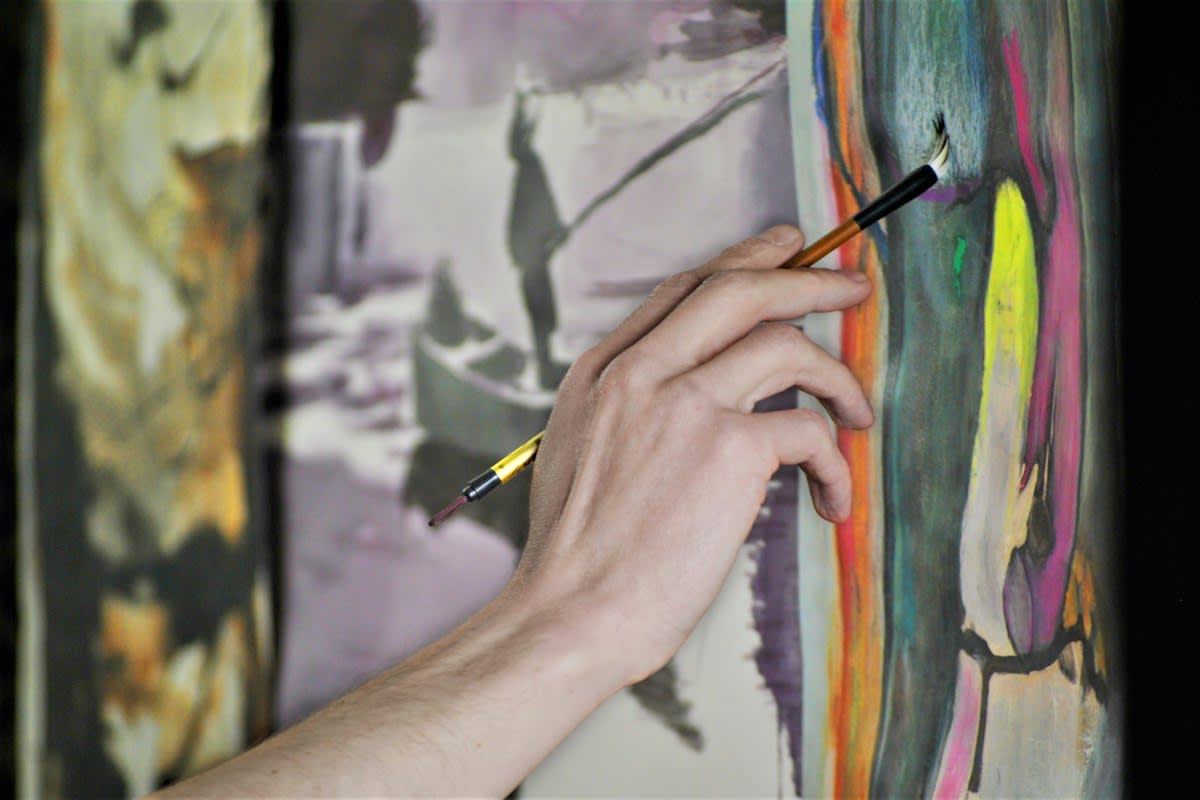
Compare this to other webs. In Kyoto, the Japanese tradition often emphasizes the opaque beauty of gold leaf and heavy dyes. In Varanasi, the focus remains on the structural integrity of the weave for textile use. Hanoi silk painting represents a structural break from both. It treats the silk as a canvas for watercolor-like transparency. It is a hard turn toward light.
The studio floor reeks of distilled water. Old guards in Hanoi scream that the new generation ruins the silk by adding acrylic binders to the ink, a move they claim kills the breath of the piece. These young painters counter that without these binders, the work fails to survive the humidity of New York or London galleries. This is a war of chemistry. One side wants purity; the other wants staying power. Neither side yields.
"The essence of Lụa is not in what you add to the silk, but in what you have the courage to wash away. The beauty lives in the residue."— Tran Van Duc, Senior Curator at the Vietnam National Museum of Fine Arts
Common Pitfalls and Mechanical Failures
Over-stretching kills the work. If you pull the silk too tight, you warp the natural grain and create 'stress lines' that distort the image. The weave must breathe. Use a tension-adjustable frame to avoid this error. A warped weave ruins the flow. Can you fix a distorted grain? No, you start over.
Synthetic blends are poison. Many beginners buy 'silk blends' to save money, but these fibers reject natural pigments. The ink sits on top of the plastic. This leads to peeling and cracking over time. Pure mulberry silk maintains a 30% lower acidity level, which preserves the pigments for centuries (Source: Textile Conservation Lab, 2020). Stick to the pure stuff. Quality is the only insurance.
Muddying the layers is common. This happens when the artist fails to rinse the fabric thoroughly between applications. Pigments mix on the surface rather than in the fiber. The result is a dull, greyish haze. Rinse until the water runs clear. This is the playbook for clarity. Precision beats speed.
Fact-Check & Accuracy Note
The debate over 'Traditional' vs 'Modern' Lụa centers on the use of chemical binders. Traditionalists argue that distilled water and natural gum are the only valid mediums. Modernists point to the 12% annual growth in the global market for Vietnamese art (Source: Vietnam Ministry of Culture, 2023) as evidence that updated, more durable techniques are necessary for international acquisition.
Editorial Note
This guide prioritizes the 'wash-and-paint' method developed during the influence of the Ecole des Beaux-Arts de l'Indochine in the 1930s, which merged French compositional theory with Vietnamese silk traditions.