'Screamed, threatened employees': Nvidia ex-HR's allegations against Jensen Huang resurface
Source Entity
AYUSH PANDEY
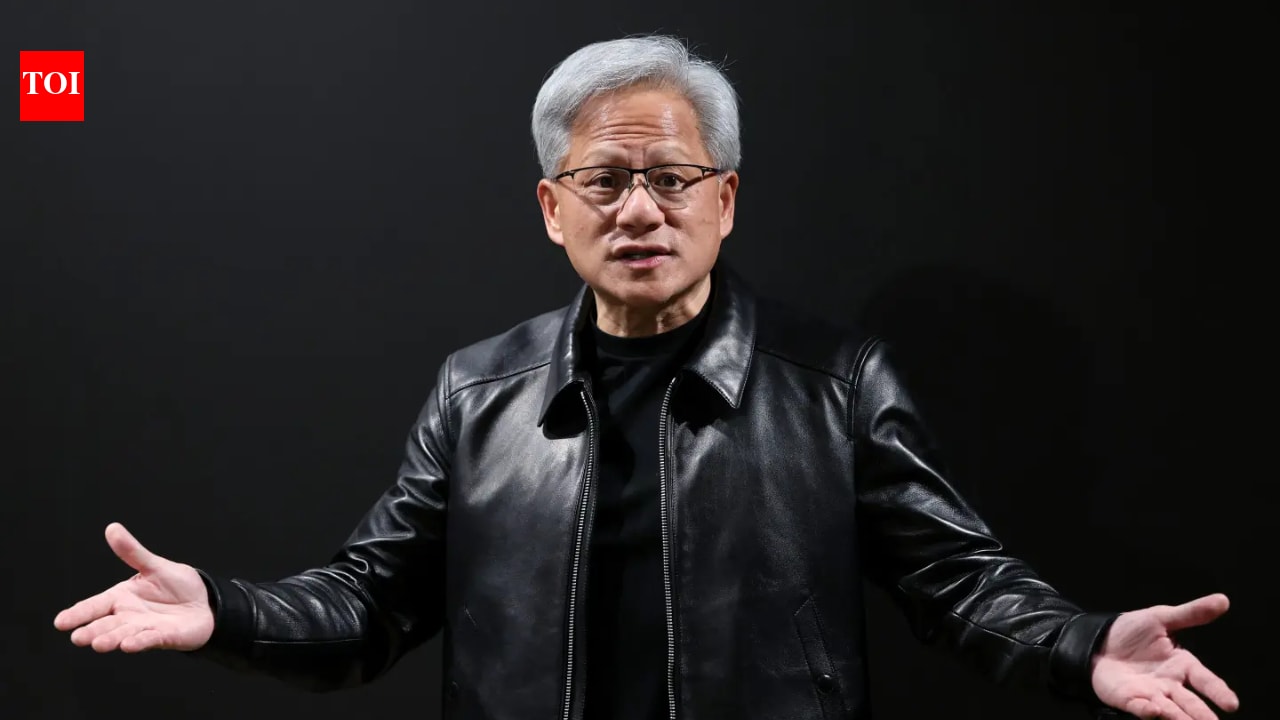
Resurfaced reports and investigations allege that Nvidia CEO Jensen Huang utilized verbal abuse, public humiliation, and threats as management tools. These claims, spanning from a 2007 lawsuit to recent accounts, highlight a controversial leadership style amid Nvidia's massive AI-driven growth.
The Dual-Edged Sword of Nvidia’s Leadership
Recent investigations by Bloomberg and The New York Times have brought long-standing allegations against Nvidia CEO Jensen Huang back into the public eye. These reports, which synthesize court documents dating back to a 2007 lawsuit alongside contemporary employee interviews, depict a workplace culture defined by public humiliation, personal insults, and direct threats. These allegations suggest that Huang’s management style has historically relied on intense psychological pressure to drive performance, a practice that is now being scrutinized as the company experiences an unprecedented valuation surge.
Historical Context and Legal Precedents
The resurfacing of these claims originates from records involving former senior executives, including Nvidia’s first in-house lawyer, Stephen Pettigrew, and former Senior Vice President Michael Winston. These individuals previously alleged that Huang engaged in verbally abusive behavior and made sexually explicit remarks, suggesting that the current allegations are not isolated incidents but part of a documented history. The fact that these concerns have persisted through confidential settlements and decades of corporate growth indicates a systemic issue rather than a fleeting management lapse.
The Mechanics of 'Culture of Fear'
Detailed accounts suggest that Huang’s methodology involved specific tactics, such as the alleged use of demeaning phrases like "pee on your brain" to belittle staff performance. This approach appears to be rooted in a philosophy that subordinates must be pushed to their limits to maintain Nvidia’s competitive edge. By fostering a climate where humiliation is used as a tool for motivation, the leadership has allegedly created a "culture of fear" that has permeated the organization’s workforce for years.
The Impact of AI-Driven Success
As Nvidia’s market valuation has soared toward $5 trillion during the global artificial intelligence boom, the pressure on the workforce has reached critical levels. Reports indicate that Huang has expressed frustration regarding the workforce, specifically noting that because many employees have accumulated significant wealth through stock options, traditional financial incentives are no longer effective motivators. This shift in the incentive structure may have inadvertently exacerbated the reliance on aggressive management tactics to maintain intensity.
Broader Implications and Future Trends
These revelations pose a significant challenge to Nvidia’s public image and internal morale. While the company has historically been lauded for its innovation, the focus on leadership conduct highlights the tension between high-performance corporate culture and employee well-being. As the tech industry faces greater scrutiny regarding workplace equity and psychological safety, Nvidia may face mounting pressure from shareholders and regulators to address these long-standing allegations of retaliation and abuse.
Conclusion: Assessing the Legacy
Ultimately, the narrative surrounding Jensen Huang is no longer just about the company’s technological dominance in the GPU and AI sectors. It is now inextricably linked to the human cost of that success. Whether these allegations will lead to a shift in corporate governance or serve as a catalyst for a broader industry reckoning regarding leadership styles remains to be seen. For now, the scrutiny serves as a reminder that even the most successful corporate entities are subject to the ethical expectations of the modern workforce.