Whodunit?: Poonam Saxena pays tribute to an early writer of detective fiction in Hindi
Source Entity
Latest News: Todays Latest News Headlines from India & World | Hindustan Times
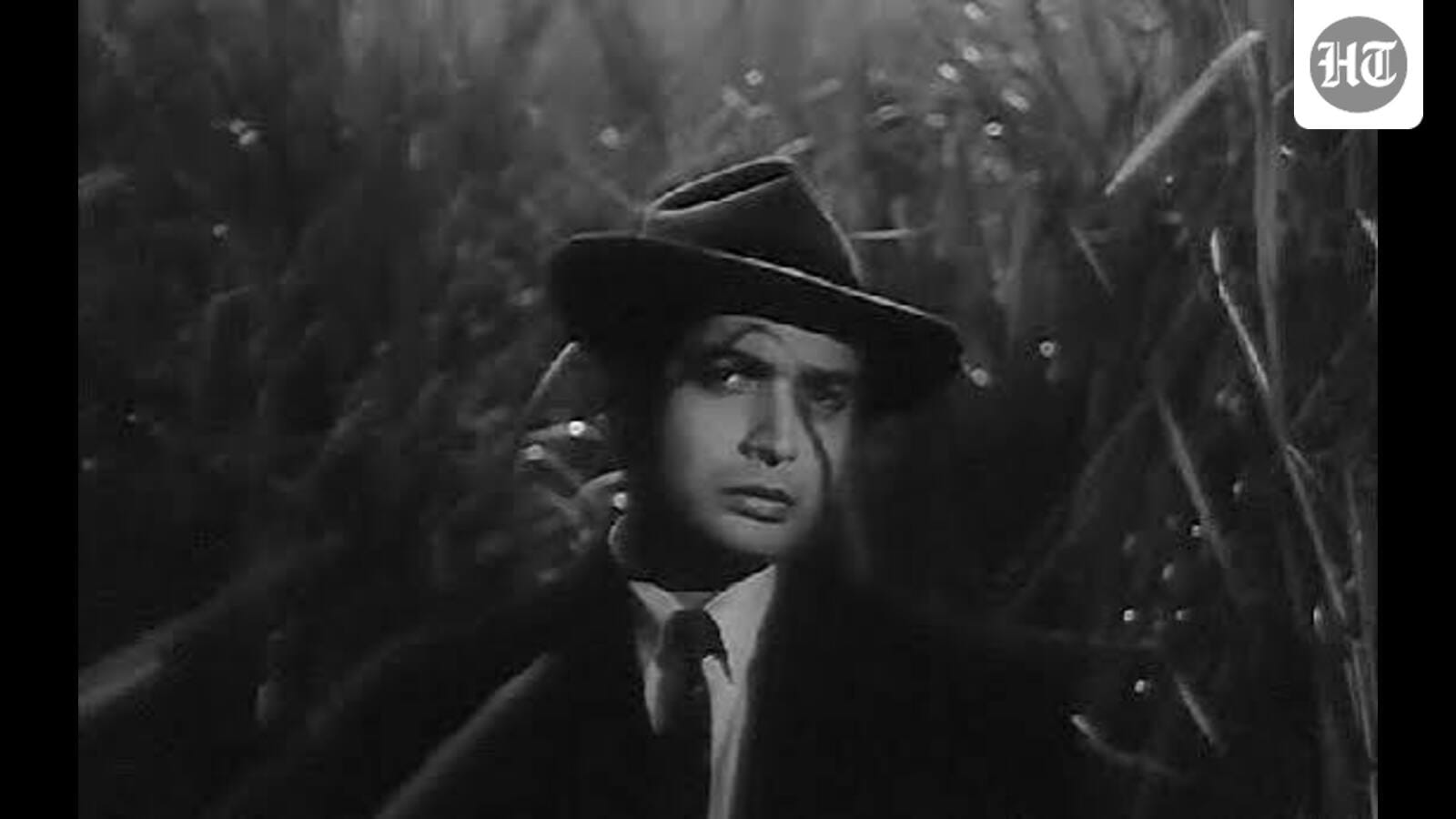
Poonam Saxena pays tribute to Gopalram Gahmari, the pioneer of Hindi detective fiction, on his 160th birth anniversary. Gahmari's work, which defined the 'jasoosi kahaniyan' genre, remains a vital historical record of early 20th-century India.
The Legacy of a Hindi Literary Pioneer
Gopalram Gahmari (1866-1946) stands as a foundational figure in the landscape of Hindi literature, specifically within the realm of detective fiction. As we mark the 160th anniversary of his birth, it is essential to revisit his contributions, which not only introduced the 'jasoosi kahaniyan' (detective stories) genre to Hindi readers but also established a template for mystery writing in the region. His work serves as a vital bridge between traditional storytelling and the modern crime thriller.
Defining the 'Jasoosi' Genre
Gahmari’s body of work was defined by high-stakes narratives featuring swordfights, daring thefts, and the emergence of the intrepid sleuth. For nearly four decades, he didn't just write; he curated the genre through his editorship of the literary magazine Jasoos. This publication was a cornerstone of early 20th-century pulp fiction, providing a dedicated space for mystery and suspense that resonated deeply with the contemporary Hindi-speaking public.
A Window into a Lost India
Beyond the mechanics of his plots, Gahmari’s stories offer a fascinating historical document. They capture a version of India that is largely unrecognizable today, reflecting the social anxieties, urban structures, and cultural nuances of a colonial era undergoing rapid transition. His narratives allow modern readers to peer into the past, seeing how the early 20th century navigated the intersection of modernity and local tradition through the lens of crime and investigation.
The Global Context of Mystery Fiction
When placed alongside modern masters like Keigo Higashino or Anthony Horowitz, Gahmari’s work underscores the universal human fascination with the 'whodunit.' While contemporary series like The Thursday Murder Club by Richard Osman enjoy global popularity, they share a lineage with the early pioneers who established the tropes of the reluctant sidekick and the brilliant investigator. Gahmari’s contribution proves that Hindi literature was an early and active participant in this global literary evolution.
Why Gahmari Still Matters
Revisiting Gahmari is not merely an exercise in nostalgia; it is an act of literary reclamation. In an era where detective fiction is dominated by Western or East Asian translations, recognizing Gahmari reminds us of the rich, indigenous history of suspense writing in India. His 38-year tenure at the helm of Jasoos highlights a sustained commitment to popular fiction that paved the way for future generations of Indian crime writers.
Conclusion
As we celebrate 160 years since his birth, Gopalram Gahmari remains a titan of Hindi letters. His ability to blend the excitement of the chase with the cultural realities of his time ensures that his stories remain both riveting and historically significant. By exploring his archives, we gain a deeper appreciation for the roots of a genre that continues to captivate readers across the globe today.
Verification Required?