Tata Sons may not accept Noel’s fresh demand for board meeting recordings
Source Entity
George Mathew
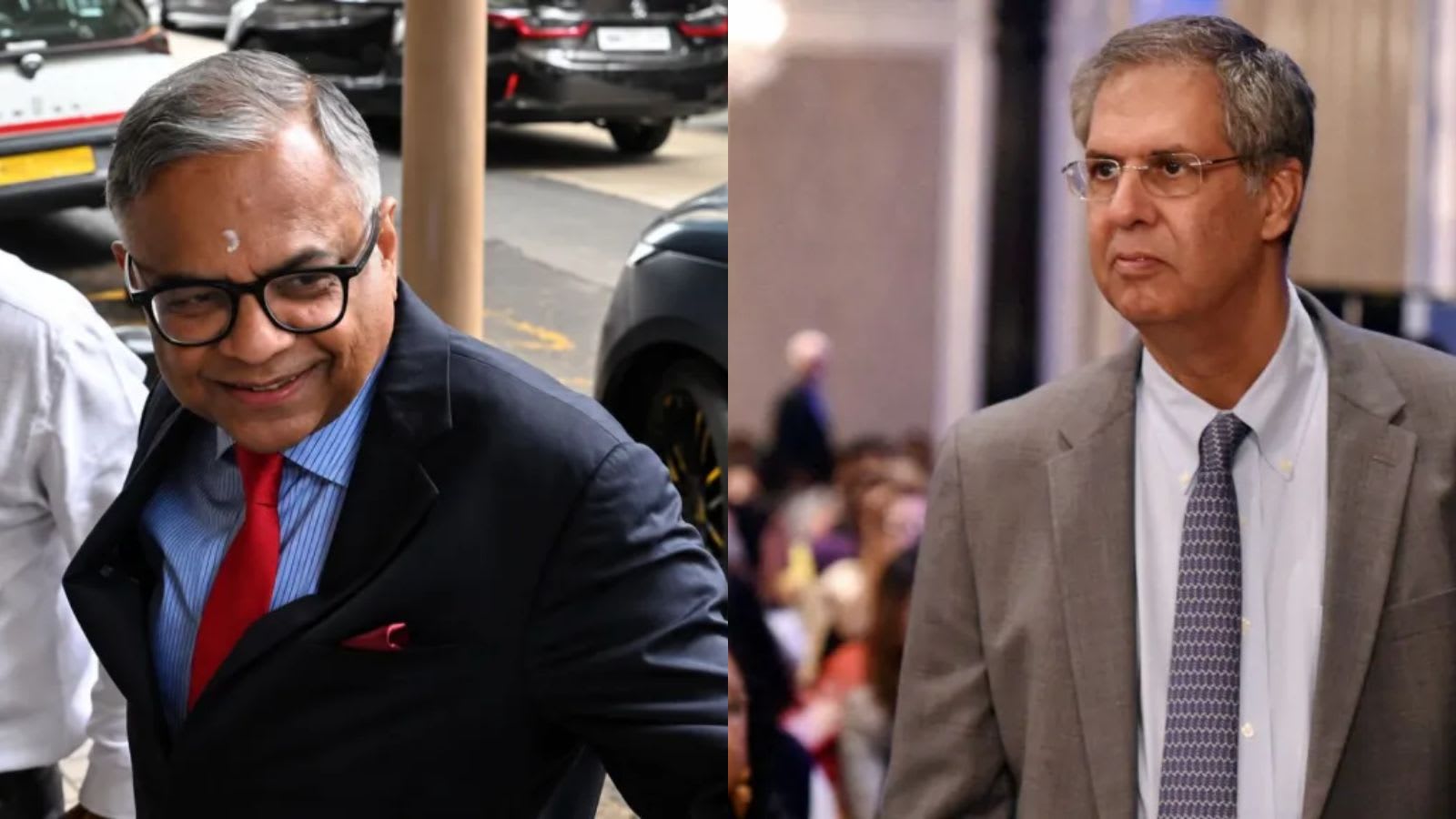
Noel Tata and the Tata Sons board are in a standoff regarding demands for audio-video recordings of a September board meeting. The dispute centers on transparency surrounding N Chandrasekaran's reappointment as chairman.
Internal Governance Standoff at Tata Sons
The relationship between Tata Trusts, the principal shareholder of the Tata conglomerate, and the board of Tata Sons has entered a phase of heightened tension. Central to this friction is a request from Noel Tata for comprehensive audio-video recordings of the September 17 board meeting. This specific meeting was pivotal, as it facilitated the reappointment of N Chandrasekaran as the chairman of Tata Sons, a decision that now appears to be under intense scrutiny from the Trusts' leadership.
The Dispute Over Transparency
Noel Tata’s repeated insistence on obtaining unedited recordings and associated metadata suggests a fundamental disagreement regarding the procedural integrity of the September proceedings. By requesting not only the recordings but also the status of his own proposed corrections to the meeting minutes, Noel is highlighting a potential disconnect between his expectations of corporate governance and the practices currently upheld by the Tata Sons board. The board’s repeated denial of these records indicates a firm stance on internal confidentiality protocols.
Implications of the Deadlock
This public, albeit corporate-level, confrontation carries significant implications for the stability of India’s largest business conglomerate. The Tata group is characterized by a unique structure where the charitable Trusts hold the controlling stake, creating a dynamic where the alignment between the Trusts and the board is essential for strategic continuity. The current impasse suggests a breakdown in this alignment, which could complicate decision-making processes ahead of the upcoming November 26 board meeting.
Procedural Challenges and Governance Norms
In the realm of corporate law and governance, the demand for primary source evidence—such as raw audio-video files—is an unconventional move that underscores a deep lack of trust. Most boardrooms operate on the principle that finalized, signed minutes serve as the official and legal record of proceedings. By demanding the raw recordings, Noel Tata is challenging the established norms, effectively signaling that the formal minutes may not, in his view, accurately reflect the nuances of the September discussions.
Future Trends and Corporate Stability
As the November 26 meeting approaches, the ability of both parties to find a middle ground will be closely watched by stakeholders and market observers. If the board continues to refuse these demands, it may lead to further escalation, potentially affecting investor sentiment or the group’s leadership structure. Conversely, a resolution or a compromise on the documentation process will be necessary to restore harmony within the upper echelons of the Tata group.
Conclusion
The current row between Noel Tata and the Tata Sons board serves as a reminder of the complexities involved in governing massive, multi-faceted conglomerates. Whether this disagreement is a symptom of broader strategic differences or merely a procedural dispute remains to be seen. Regardless, the outcome of the November 26 meeting will likely define the trajectory of the group’s internal governance and leadership cohesion for the foreseeable future.