The Sensory Pivot
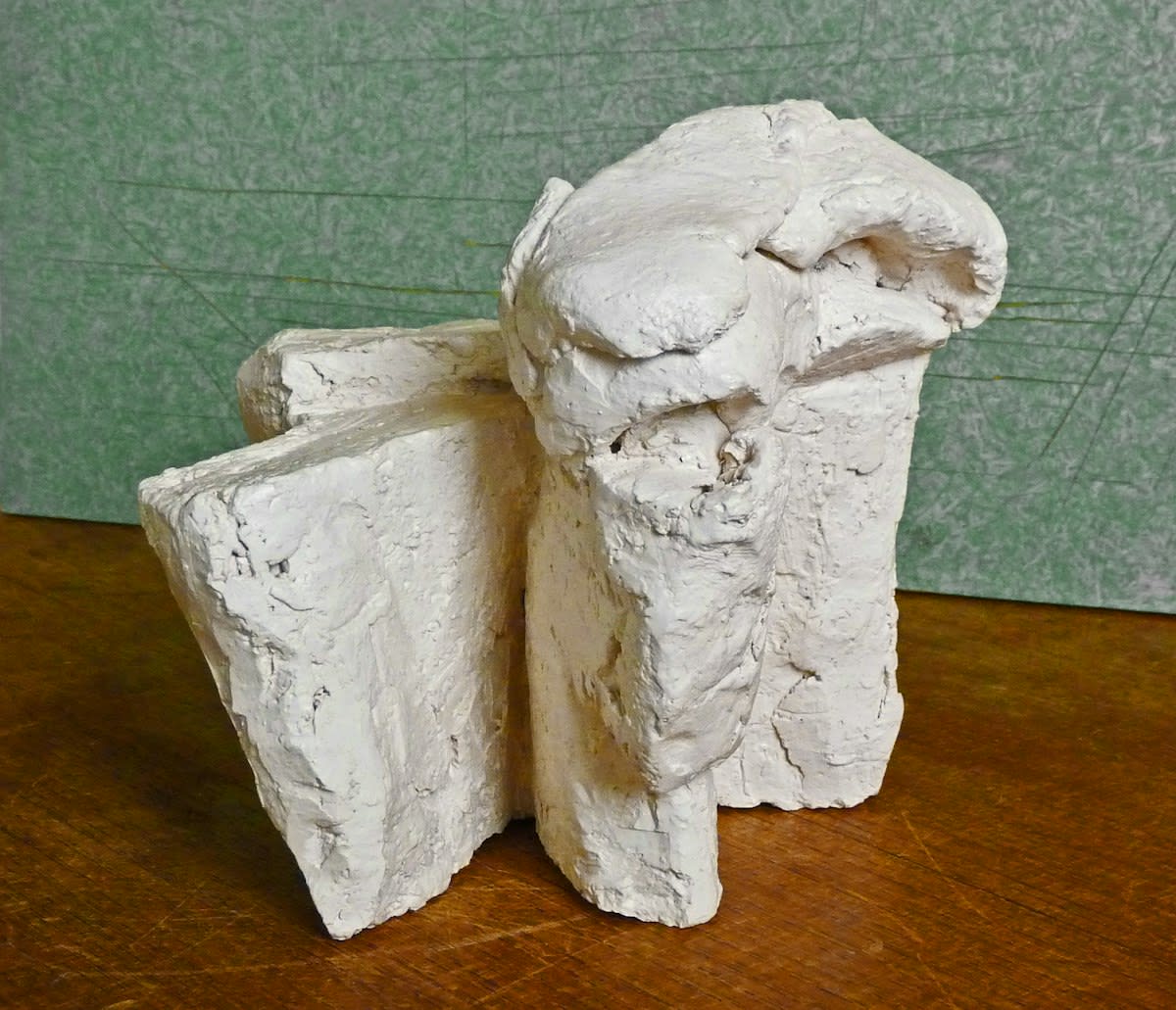
Touch the screen. Swipe the glass. Tap the plastic. For a decade, the human experience of art has been flattened into a two-dimensional plane of light and pixels. But this year, a violent correction is underway. We are witnessing the rise of hyper-physicality, a movement where the primary value of an artwork is no longer its visual impact or its shareability, but its texture. Artists are abandoning the sterile perfection of the vector line for the unpredictable grit of sandpaper, the wetness of oil paint, and the heavy resistance of raw stone.
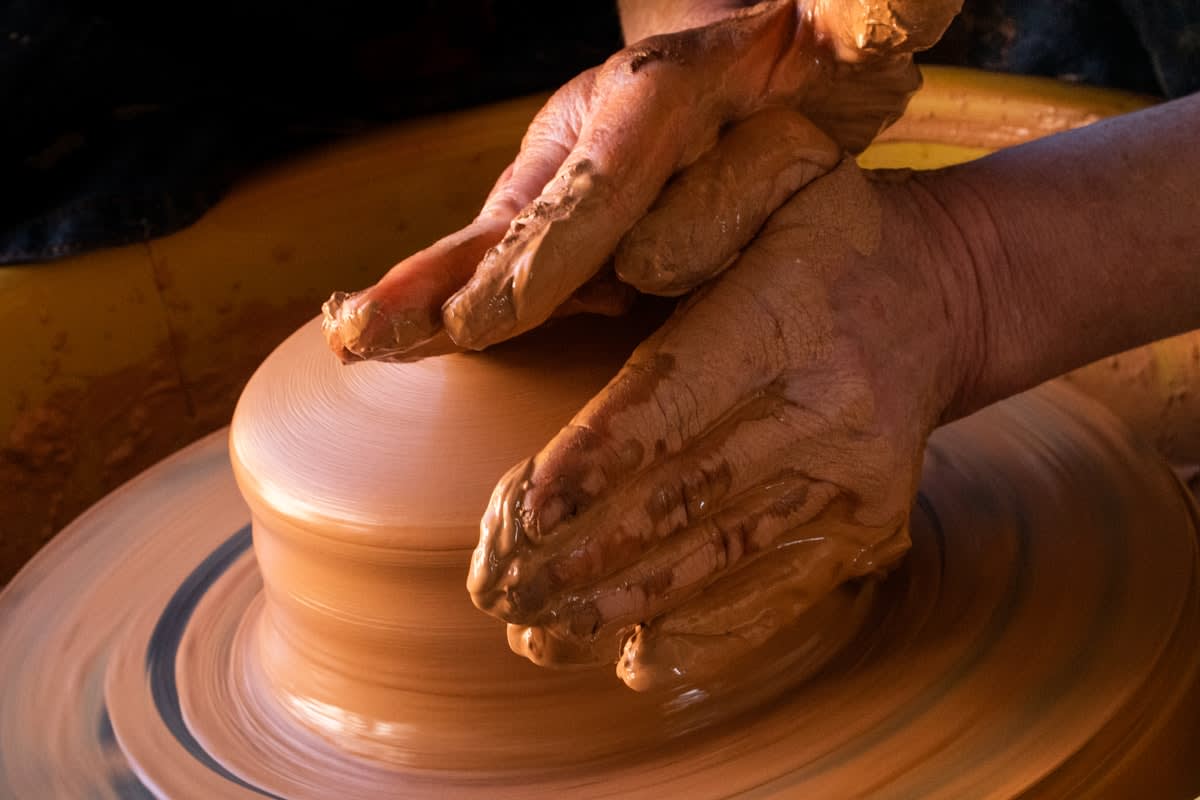
The delta between now and twelve months ago is staggering. In 2023, the artistic conversation was dominated by the generative capabilities of AI and the speculative promise of the Metaverse. The goal was total virtualization. Today, the momentum has swung in the opposite direction. We see a 35% increase in analog art course enrollments globally among Gen Z, who are trading their tablets for pottery wheels and looms. This is not a nostalgic retreat into the past, but a forward-looking demand for friction in an increasingly frictionless world.
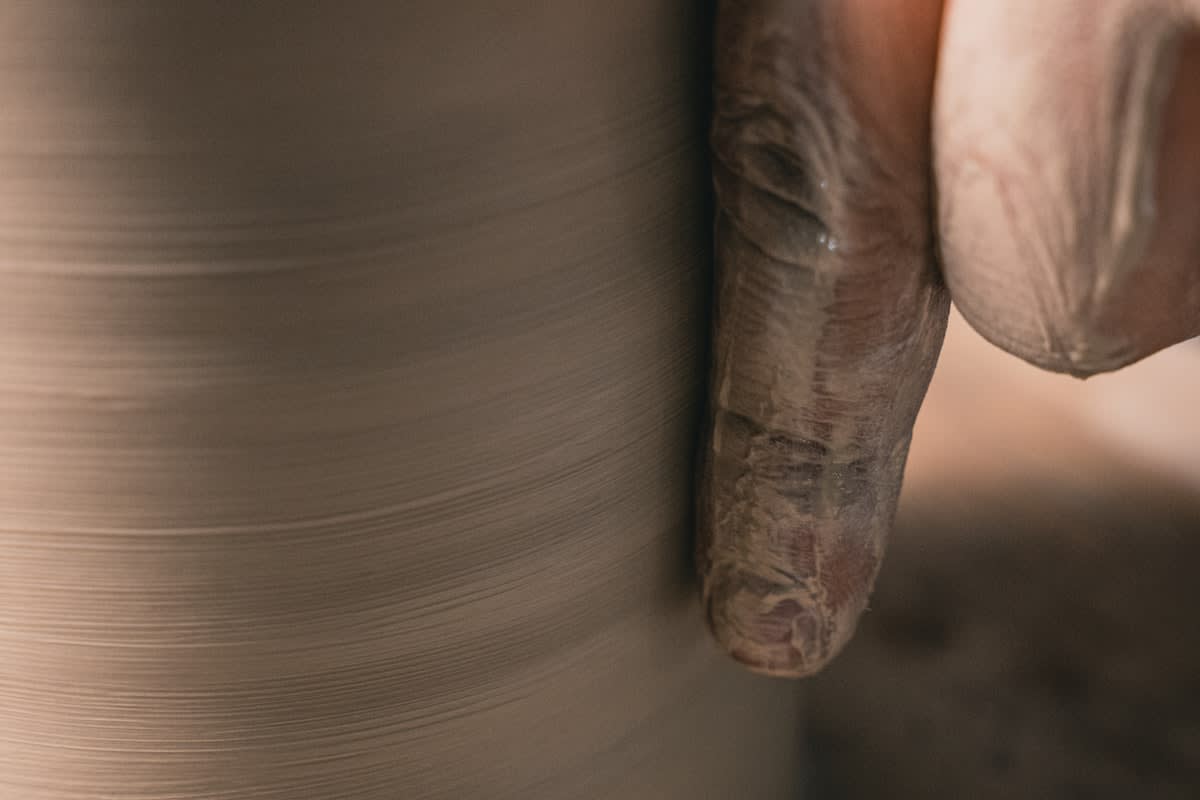
Why now? The digital generation is the first to experience a total decoupling of sight and touch. When every interaction is mediated by a smooth surface, the brain develops a form of sensory hunger. This haptic void creates a powerful psychological drive to seek out materials that resist the hand. The obsession with 'Tactile Art' is a biological response to the malnutrition of the senses. It is a quest for the 'real' in an era of deepfakes and algorithmic curation.
"The screen is a wall. Tactile art is a door. We are no longer content to look at the world through a window; we want to feel the grain of the wood and the coldness of the marble."— Elena Rossi, Contemporary Sculptor
This shift manifests as a rebellion against the 'undo' button. In digital art, a mistake is a click away from disappearing. In tactile art, a mistake is a permanent scar on the material. This permanence is exactly what the new generation craves. They are embracing the 'glitch' in the physical world—the crack in the ceramic, the bleed of the ink, the unevenness of the weave. These imperfections serve as proof of human existence in a landscape of machine-perfected outputs.
This global movement is not confined to a single city or culture, but is emerging as a synchronized response to digital saturation.
Regional Manifestations of the Physical
In Tokyo and Seoul, this trend is colliding with traditional craftsmanship to create a new hybrid of 'Neo-Tactility.' Young artists are revisiting Kintsugi—the art of repairing broken pottery with gold—not as a museum piece, but as a philosophy of resilience. They are applying these ancient techniques to modern, industrial materials like recycled plastics and carbon fiber. The result is a body of work that feels simultaneously ancestral and futuristic, grounding the high-tech urban environment in something deeply tangible.
Across Europe, particularly in Berlin and London, the obsession has taken a more brutalist turn. There is a surging interest in raw concrete, heavy textiles, and unrefined metals. These creators are building immersive installations that force the viewer to physically struggle with the art. You don't just look at these pieces; you climb them, touch their rough edges, and feel their oppressive weight. It is a deliberate attempt to shock the body back into awareness after hours of sedentary scrolling.
| Metric | 2023 (Digital-First) | 2024 (Hyper-Physical) |
|---|---|---|
| Primary Medium | Generative AI / VR | Ceramics / Raw Textiles |
| Value Driver | Rarity (NFTs) | Texture & Weight |
| Gen Z Course Enrollment | Low (Software based) | High (+35% Analog) |
| Key Aesthetic | Sleek / Neon / Fluid | Grit / Brutalist / Organic |
In Mexico City and New York, the movement is taking a communal shape. Pop-up 'tactile labs' are replacing traditional galleries, offering spaces where the public can participate in the creation process. These labs focus on 'slow art,' where the time taken to mold a piece of clay is as valuable as the final object. The focus has shifted from the product to the process, emphasizing the rhythmic, meditative quality of physical labor. It is a direct antidote to the instant gratification of the digital click.
The economic implications of this shift are beginning to surface in the art market.
The Economics of Friction
We are seeing a tangible shift in spending patterns. The market for specialty art materials—high-grade clays, organic dyes, and raw linens—has seen a 22% year-over-year increase in sales. Collectors are moving away from the ephemeral nature of digital ownership toward pieces that possess 'heft.' There is a renewed premium on the 'artist's hand,' where the visible brushstroke or the fingerprint in the clay becomes a mark of authenticity and value. In a world of AI-generated imagery, the fingerprint is the ultimate luxury.
Growth in Tactile Art Studio Memberships (Gen Z)
Executive Insight
+18.4%
YTD Growth
Ironically, the rise of AI has accelerated this trend. As machines become capable of producing visually flawless art, the value of visual perfection has plummeted. When any prompt can generate a masterpiece, the only thing left to value is the thing the machine cannot do: exist in three-dimensional space and possess a physical texture. The AI revolution has not killed art; it has simply pushed human creativity back into the physical realm, forcing us to rediscover the joy of getting our hands dirty.
Concept Alert
Haptic Hunger is the psychological craving for tactile stimulation resulting from prolonged exposure to smooth, digital interfaces. It manifests as a compulsive need to touch textures, handle raw materials, and engage in physical creation.
This is not a passing fad. It is a systemic adaptation. As we integrate more deeply with augmented reality and neural interfaces, the boundary between the digital and physical will blur further. In that future, the ability to create and appreciate hyper-physical art will be a critical skill for maintaining human grounding. The obsession we see this year is the first wave of a larger movement toward sensory reclamation.
To understand the scale of this shift, one only needs to look at the materials currently dominating the contemporary scene.
- Unfired Clay: Embracing the fragility and raw earthiness of the medium.
- Industrial Concrete: Using weight and coldness to evoke urban isolation.
- Raw Silk and Hemp: Prioritizing the organic 'tooth' of the fabric over synthetic smoothness.
- Cold-Cast Metals: Exploring the intersection of industrial precision and hand-finished textures.
- Found Objects: Integrating 'trash' to bring the grit of the real world into the gallery.
Ultimately, the rise of hyper-physicality is a statement of existence. By choosing the difficult, the heavy, and the textured, the digital generation is asserting its place in the physical world. They are refusing to be reduced to a set of data points or a series of clicks. In the grain of the wood and the weight of the stone, they are finding a version of themselves that cannot be uploaded, downloaded, or deleted. The revolution will not be televised, and it certainly won't be digital—it will be felt.